TL;DR

Get gifts for the two of you delivered free — and shop member deals
- Fast, free delivery on millions of items
- Access to Prime Big Deal Days deals on October 6–7
- Prime Video, Amazon Music and more included
The Gottman Institute argues that self-guided relationship tools can help people practice communication and conflict-management skills, especially when therapy is inaccessible or a partner is unwilling to attend. The report does not provide outcome data showing how effective these tools are; it emphasizes choosing research-informed resources and applying them in real conversations.
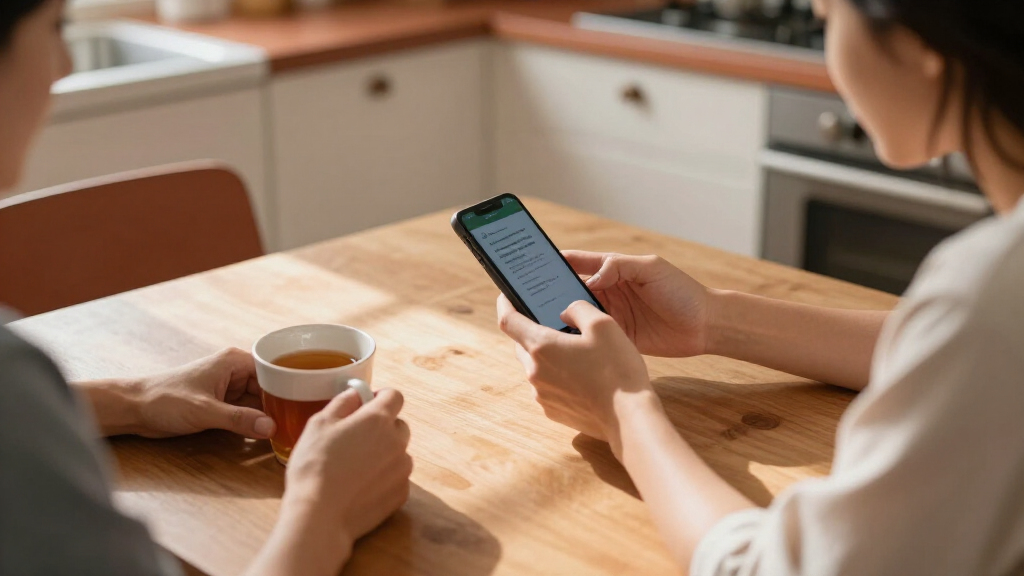
The Gottman Institute says research-informed self-help tools can help people build relationship skills, including listening, managing conflict and responding to bids for connection, when couples cannot or do not want to attend therapy. Its report cautions that resources vary in quality and that learning from a screen does not replace communicating directly with a partner.
The institute’s report describes self-guided resources as a possible starting point, therapy supplement or ongoing practice for couples. It says useful tools should teach specific skills and offer exercises people can use in everyday conversations, rather than simply assigning blame or delivering broad advice. The examples it lists include raising concerns in less confrontational ways, validating a partner’s perspective, repairing after negative interactions and creating rituals that support connection.
The report identifies cost, insurance coverage and therapist availability as reasons people may seek other options. It also addresses situations in which one partner is ready to work on the relationship but the other does not want couples therapy. In those circumstances, it says an individual can still practice changes in their own communication and responses, while recognizing they cannot control how their partner reacts.
The institute recommends checking whether advice comes from a reputable source and established research, and whether it teaches concrete skills. Its own resources draw on the work of Dr. John Gottman, whom the institute says has studied couples for more than 50 years. That description and the proposed benefits are presented by the institute; the supplied report does not include specific studies, success rates or measured outcomes for its tools.
Skills Need Practice Between Partners
The report matters to readers weighing self-guided support because it distinguishes between learning a technique and changing a relationship. Exercises can provide language for a difficult conversation or prompt someone to listen with more curiosity, but the report says those skills need to be brought into interactions with a partner. A tool cannot establish what each person experienced in a disagreement or supply the attention and validation that one partner may be seeking from the other.
Self-help resources may offer a more accessible route to structured learning for people facing financial or geographic barriers, or for those whose partner will not attend therapy. They can also allow people to learn at their own pace through books, articles, podcasts, videos or guided programs. But the report does not establish that these options work equally well for everyone, or that they can address every relationship problem. Readers should understand the tools as ways to practice skills, not as a guarantee of improvement or a verdict about who is right.
research-informed relationship communication tools
As an affiliate, we earn on qualifying purchases.
As an affiliate, we earn on qualifying purchases.
From Relationship Research to Self-Guided Tools
The Gottman Institute presents its approach as rooted in decades of research on couples by Dr. John Gottman. It says this work informs both Gottman Method Couples Therapy and relationship products intended for people to use independently. The source article does not detail the studies behind individual exercises, so readers cannot assess their methods or results from this report alone.
The guidance also addresses the growing range of online relationship advice, including social media, apps, podcasts and videos. It advises readers to examine the source and look for instruction that can be practiced, rather than advice that only labels a partner’s behavior. The institute draws a distinction between using technology to access structured exercises and searching online for an explanation of what is happening in a relationship: a search result cannot account for both partners’ subjective experiences.
““They can, but not all relationship tools are created equal.””
— The Gottman Institute
self-guided couples therapy exercises
As an affiliate, we earn on qualifying purchases.
As an affiliate, we earn on qualifying purchases.
Evidence and Limits Remain Unspecified
The source report does not provide effectiveness data, study citations or comparisons showing how much self-guided tools improve relationships, which approaches work best, or for whom. It also does not define when a self-help resource is insufficient or describe the situations in which couples should seek professional support. Its claims about possible benefits should therefore be read as guidance from the institute, not as quantified findings presented in the article.
It remains unclear how often couples use the suggested exercises together, how consistently they practice them, and whether benefits last. The report recognizes that partners can experience the same conversation differently, but a self-guided resource cannot independently resolve those differences. Outcomes will depend on the people involved and the circumstances of their relationship.
relationship conflict management books
As an affiliate, we earn on qualifying purchases.
As an affiliate, we earn on qualifying purchases.
Put Exercises Into Real Conversations
The institute’s guidance points readers toward a practical next step: select a credible resource with specific exercises, then try applying a skill in ordinary conversations. That could mean expressing a concern more gently, asking questions to understand a partner’s perspective, or noticing and responding to attempts to connect. The report encourages people to begin with changes they can make themselves rather than waiting for a partner to participate.
Readers considering therapy can also treat self-guided tools as a possible supplement, while checking whether professional help is available and appropriate for their situation. The Gottman Institute says it offers resources for couples and individuals, but its article does not announce a new product, trial or evaluation. No further research findings or milestones are specified in the supplied material.
relationship skills practice guides
As an affiliate, we earn on qualifying purchases.
As an affiliate, we earn on qualifying purchases.
Key Questions
Can self-help relationship tools improve communication?
The Gottman Institute says research-informed tools can teach skills such as listening, validating perspectives and raising concerns constructively. The source report does not give outcome data showing how much they improve communication.
Do both partners have to use the tools?
The institute says practicing together can help couples apply skills intentionally, but one person can begin working on their own communication and responses. An individual cannot control a partner’s reaction.
How can readers judge relationship advice online?
The report advises checking whether advice comes from a reputable source, is based on established research and teaches concrete skills rather than simply blaming one partner.
Are self-help tools a substitute for couples therapy?
The institute describes them as a possible starting point, supplement or ongoing resource, including for people who cannot access therapy. Its report does not say they replace professional care in every situation.
Source: rss
Fall Picks
fall essentials
As an affiliate, we earn on qualifying purchases.