
Porn addiction can profoundly affect your mental health, often leading to increased anxiety, depression, and overwhelming shame. As you rely more on porn, emotional regulation becomes harder, making you feel disconnected from your feelings and isolated from others. This cycle of shame and loneliness compounds your emotional struggles, creating barriers to seeking help. If you want to understand how these patterns develop and how to break free, continue exploring this connection.
Key Takeaways
- Porn addiction can increase feelings of shame, anxiety, and depression, creating a harmful emotional cycle.
- It impairs emotional regulation, leading to heightened frustration, emotional overwhelm, and difficulty coping.
- Social withdrawal resulting from shame and secrecy intensifies loneliness, worsening mental health issues.
- Negative thought patterns and self-criticism foster feelings of worthlessness and hinder recovery efforts.
- Emotional dysregulation and shame-driven behaviors promote impulsivity, making it harder to develop healthy coping strategies.
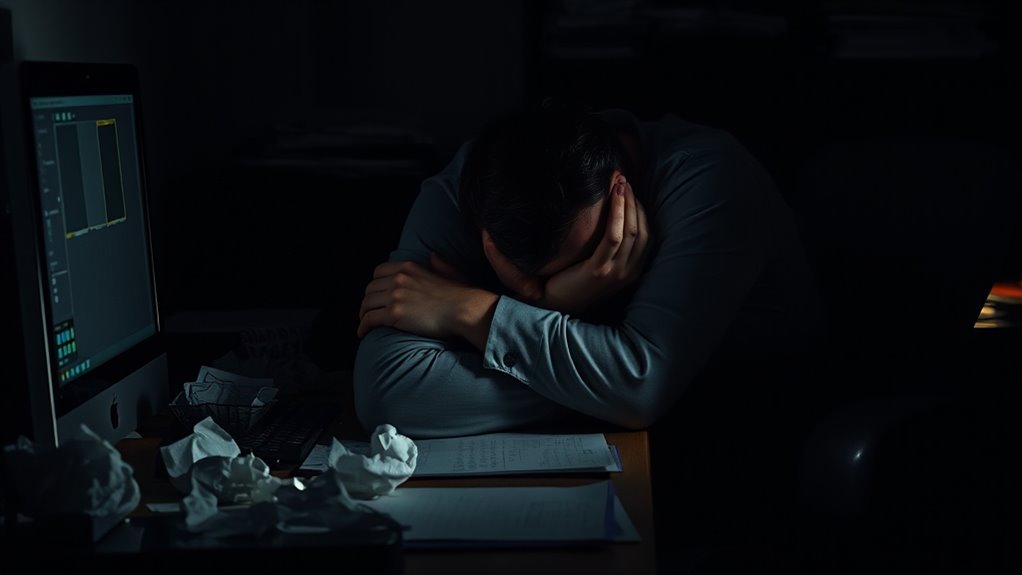
Porn addiction can profoundly impact your mental health, often leading to feelings of shame, anxiety, and depression. When you find yourself unable to control your consumption, it can feel like you’re trapped in a cycle that erodes your emotional well-being. One of the key ways this manifests is through difficulties with emotional regulation. Instead of managing your emotions effectively, you might notice that intense feelings—whether boredom, loneliness, or stress—drive you to seek out porn as a quick fix. Over time, this reliance can make it harder for you to process emotions healthily, leaving you overwhelmed and unable to cope with everyday challenges. You might start to feel increasingly disconnected from your own feelings, which only deepens your sense of frustration and helplessness.
As your addiction intensifies, social isolation often follows. You might withdraw from friends, family, or social activities because of shame or fear of judgment. This withdrawal creates a vicious cycle: the more isolated you become, the more you turn to porn for comfort, which simultaneously increases feelings of loneliness and shame. The guilt associated with secretive behaviors can make it difficult to reach out for support, reinforcing your sense of alienation. Over time, social isolation can contribute to worsening mental health issues, including heightened anxiety and depression, making it even harder to break free from the cycle. The loneliness becomes a breeding ground for negative thoughts, self-criticism, and feelings of worthlessness, which only deepen your emotional struggles.
Furthermore, the inability to regulate your emotions can lead to impulsive behaviors, reinforcing the addiction. Instead of confronting underlying issues like stress or unhappiness, you might seek solace in pornography as an escape. This avoidance only fuels feelings of shame because you recognize that your actions are harming your well-being, yet you feel powerless to stop. The shame you experience can become a barrier to seeking help, making it harder to develop healthier coping strategies. It’s important to understand that these patterns aren’t a reflection of moral failure but rather symptoms of a complex mental health challenge that requires compassionate intervention. Recognizing the connection between emotional regulation difficulties, social isolation, and your addiction is a crucial first step toward recovery. With support, you can learn healthier ways to manage your emotions, rebuild your social connections, and regain control over your mental health. Addressing underlying factors such as emotional dysregulation can significantly improve your chances of recovery.
Top picks for "porn addiction mental"
Open Amazon search results for this keyword.
As an affiliate, we earn on qualifying purchases.
Frequently Asked Questions
Can Porn Addiction Be Inherited Genetically?
You might wonder if porn addiction can be inherited genetically. While there’s no direct evidence that it’s solely inherited, some studies suggest a genetic predisposition that could influence addictive behaviors. Inheritance patterns can play a role in your susceptibility, but environmental factors and personal choices are also significant. So, genetics may contribute, but they don’t determine your addiction—your actions and environment matter just as much.
How Does Porn Addiction Affect Long-Term Relationships?
Porn addiction can strain your long-term relationships by eroding emotional intimacy and causing trust issues. You might find it harder to connect deeply with your partner, leading to feelings of distance and misunderstanding. Over time, this can create a cycle of insecurity and frustration, making it difficult to rebuild trust. Addressing the addiction and communicating openly helps restore intimacy and rebuild the trust essential for a healthy, lasting relationship.
Are There Specific Medications for Porn Addiction?
Are there specific medications for porn addiction? While there’s no single medication approved solely for porn addiction, medication options like antidepressants or anti-anxiety drugs can help manage underlying issues. Combined with therapy approaches such as cognitive-behavioral therapy, these treatments target compulsive behaviors and emotional triggers. Don’t you think addressing both mind and body offers the best chance for recovery? Consulting a mental health professional can guide you to the right combination.
What Are Early Warning Signs of Porn Addiction?
You might notice early warning signs of porn addiction through behavioral triggers like spending more time online than intended or neglecting responsibilities. Emotional cues such as feeling guilt, shame, or anxiety after viewing are common. You may also find yourself increasingly craving porn, using it as a way to escape stress or discomfort. Recognizing these signs early helps you take steps toward healthier habits and seeking support if needed.
Can Children or Teens Develop Porn Addiction?
Yes, children and teens can develop porn addiction. Studies show that nearly 70% of teens have been exposed to online porn, impacting their child development. Media influence plays a significant role, shaping their perceptions and habits early on. If unchecked, this exposure can lead to compulsive behaviors. As a parent or caregiver, it’s essential to monitor their media use, foster open conversations, and promote healthy development to prevent addiction.
Conclusion
As you confront the chaos caused by porn addiction, remember that healing hinges on honesty, hope, and help. Recognize the rocky road of shame, sadness, and anxiety, and reach out for support. Breaking free begins with bravery, embracing balance, and building boundaries. Don’t let guilt govern your growth—your journey to joy is just a decision away. Take the first step today, and reclaim control, confidence, and calm from the clutches of compulsive cravings.