
Love addiction happens because your brain releases dopamine when you think about or spend time with someone special, creating a craving for that feeling. As you chase that high, you become emotionally dependent, with your brain wired to prioritize these rewards over genuine connection. Over time, the initial thrill fades, leading to obsession and anxiety when you’re apart. Understanding this cycle can help you break free and find balance—if you’re curious, there’s more to discover.

Get gifts for the two of you delivered free with Prime
- Fast, free delivery on millions of items
- Prime Video, Amazon Music and more included
- Member-only deals all year
Key Takeaways
- Love activates dopamine in the brain, creating feelings of pleasure and craving for the partner.
- Early romantic interactions boost dopamine, reinforcing the desire to stay close and seek more.
- Over time, the dopamine high diminishes, leading to obsession as individuals chase the initial thrill.
- Dependency on dopamine rewards can cause anxiety, emotional reliance, and distorted perceptions of love.
- Breaking the cycle involves recognizing love as a chemical addiction and cultivating healthier, genuine connections.
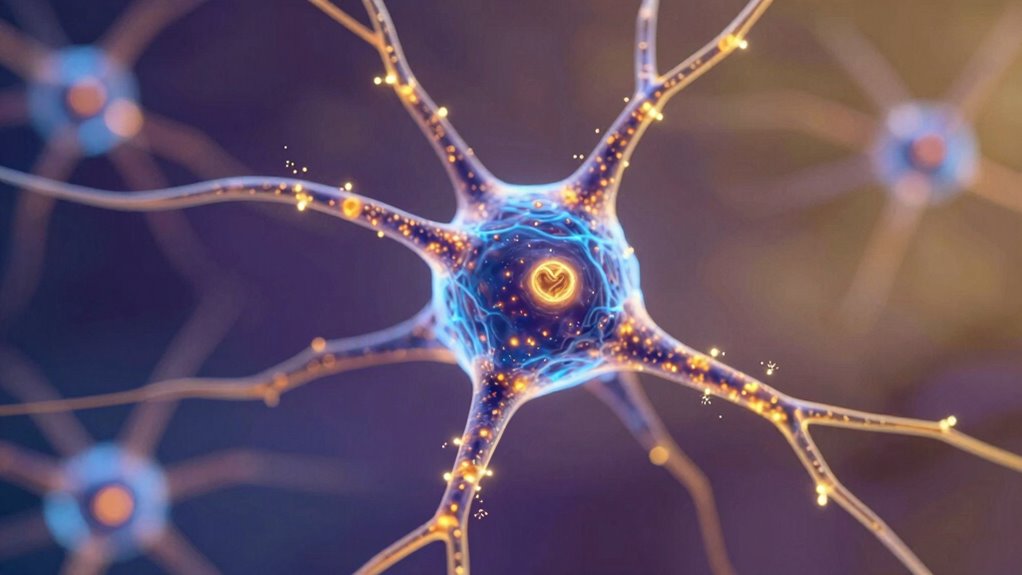
Have you ever wondered why falling in love can feel so intoxicatingly addictive? It’s because love triggers a powerful chemical response in your brain, creating a loop that keeps you chasing those euphoric feelings. When you become romantically obsessed, your brain floods with dopamine, the same neurochemical involved in addiction. This surge of dopamine makes you crave the presence of your partner, and you start to associate their attention with intense pleasure. Over time, this pattern can develop into emotional dependency, where your happiness hinges on maintaining that dopamine rush. You find yourself constantly checking your phone, obsessing over every message, or replaying memories to keep the feeling alive.
This dopamine loop is what fuels love addiction. When you’re in the early stages of romance, your brain perceives your partner as a source of reward, releasing dopamine each time you’re together or even just thinking about them. The more you seek out these interactions, the stronger the dopamine response becomes. As a result, you begin to associate your partner’s presence with a sense of euphoria, which reinforces your desire to stay close. But here’s the catch: this cycle isn’t sustainable. The brain adapts, and the initial thrill diminishes, leading you to chase that high again and again. That’s when romantic obsession takes hold, and your emotional dependency deepens, often blinding you to red flags or healthier boundaries.
Your brain’s reliance on dopamine makes breaking free from this cycle tough. You start to feel anxious or restless without your partner, convinced that being apart will rob you of your happiness. This dependency can skew your perception of love, making you believe that being with someone is the only way to feel fulfilled. It’s like your brain is wired to keep you hooked, constantly seeking that dopamine reward. That’s why love addiction can feel so all-consuming—your brain is literally rewiring itself to prioritize the feelings of euphoria over genuine connection or mutual growth. Recognizing this pattern can help you understand that what you’re experiencing isn’t just love, but a chemical addiction that feeds on your emotional dependency. Understanding the importance of virtue and intention from a Stoic perspective can aid in breaking this cycle, guiding you toward healthier, more balanced relationships. Rewiring your brain’s response, finding joy outside of the highs, and restoring healthier boundaries in your relationships are key steps toward healing. Additionally, cultivating patience and self-awareness can help diminish the brain’s reward-seeking behavior, fostering more authentic connections over fleeting highs. Developing awareness about neurochemical responses involved in love can empower you to consciously choose healthier relationship patterns.
As an affiliate, we earn on qualifying purchases.
Frequently Asked Questions
Can Love Addiction Be Treated Like Other Substance Dependencies?
Yes, love addiction can be treated like other substance dependencies. You might work on understanding your emotional dependency and attachment styles, which often fuel addictive behaviors. Therapy helps you recognize patterns, develop healthier relationships, and manage cravings. Just like with substances, breaking the cycle requires patience and support. Addressing underlying emotional issues enables you to build a more balanced, fulfilling connection with others without relying on addictive love behaviors.
How Long Does It Take to Break the Dopamine Loop?
Breaking the dopamine loop is like untangling a knot—it takes time and patience. Typically, it may take anywhere from a few weeks to a few months with a dedicated dopamine detox, where you pause the cycle of constant stimulation. During this process, you build emotional resilience, strengthening your ability to resist addictive patterns. Consistency is key; with perseverance, you’ll gradually reclaim control over your feelings and cravings.
Are Certain Personality Types More Prone to Love Addiction?
Yes, certain personality traits and attachment styles make you more prone to love addiction. If you have anxious or avoidant attachment styles, you might seek validation and fear abandonment, fueling addictive patterns. People with high impulsivity or low emotional regulation are also more vulnerable. Recognizing these traits helps you understand your tendencies, so you can work on healthier relationship patterns and reduce the risk of falling into love addiction.
Does Love Addiction Affect Mental Health Long-Term?
Love addiction can harm your mental health long-term, especially if it weakens emotional resilience. When you’re caught in the dopamine loop, you may struggle with self-awareness, making it harder to recognize unhealthy patterns. Over time, this can lead to anxiety, depression, or difficulty forming stable relationships. Building emotional resilience and practicing self-awareness help break the cycle, allowing you to recover and maintain better mental health.
Can Healthy Relationships Prevent Love Addiction?
Yes, healthy relationships can help prevent love addiction. By fostering emotional dependency in a balanced way, they encourage secure attachment styles, reducing the risk of becoming overly dependent on a partner for validation. When you build trust, communication, and independence, you’re less likely to develop unhealthy attachment patterns, which are often at the core of love addiction. Prioritizing your emotional well-being and maintaining self-awareness strengthens these positive relationship habits.
As an affiliate, we earn on qualifying purchases.
Conclusion
Understanding the dopamine loop behind love addiction helps you see why chasing that high feels so irresistible. It’s like being caught in a cycle where every encounter sparks more craving, making it hard to break free. Do you want to keep chasing fleeting highs, or are you ready to find genuine connection beyond the dopamine rush? Recognizing this pattern is the first step toward healthier relationships and a balanced mind. What will you choose to break free from today?
emotional dependency therapy journal
As an affiliate, we earn on qualifying purchases.
As an affiliate, we earn on qualifying purchases.
self-help books on love addiction
As an affiliate, we earn on qualifying purchases.
As an affiliate, we earn on qualifying purchases.
Halloween Picks
halloween
As an affiliate, we earn on qualifying purchases.