
TL;DR

Get gifts for the two of you delivered free with Prime
- Fast, free delivery on millions of items
- Prime Video, Amazon Music and more included
- Member-only deals all year
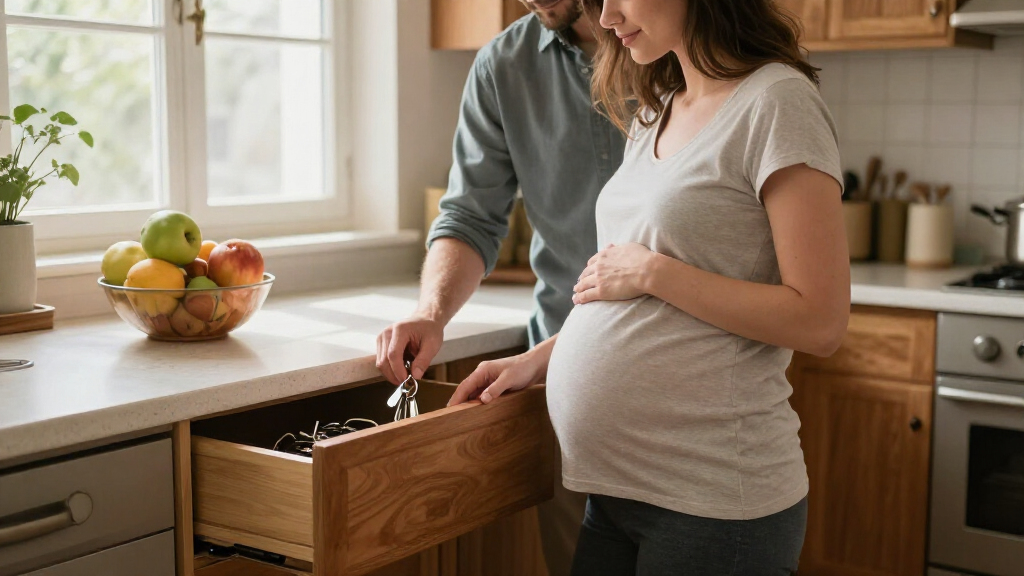
A writer for The Good Men Project says she is expecting a boy and describes struggling to remember what she has shared while coping with pregnancy fatigue, parenting a toddler and financial pressures. Her account is personal testimony, not a medical study; the report does not establish how common pregnancy-related memory changes are or what caused her symptoms.
A contributor to The Good Men Project has shared that she is pregnant with a boy, describing memory lapses and exhaustion while also caring for a 17-month-old daughter. The account is a first-person update, not research establishing the causes or prevalence of pregnancy-related cognitive changes.
The writer says she has lost track of what she has written, shared or planned to turn into an article, and describes that experience as “pregnancy brain.” She also says that first-trimester exhaustion has made it difficult to write while parenting, managing household responsibilities and worrying about money. The report offers her account of daily life; it does not include clinical evaluation or independent evidence about her memory.
She says she learned the baby’s sex after early prenatal screening and that the screening indicated low risk for the conditions tested. She links the timing of her testing to uncertainty over pregnancy dating: she reports that she had taken estradiol without medical supervision before becoming pregnant, which she says made her cycle difficult to interpret. She describes disagreeing with an initial estimate based on her last menstrual period, dated June 1, and says she had tracked ovulation using tests and an Oura Ring. These are details of her account; the report does not provide medical records or confirm the clinical timeline.
The writer also describes the emotional adjustment of expecting a son after having a daughter. She writes that she is thinking about how to raise a boy who is kind, emotionally aware and able to be soft. Alongside those concerns, she lists practical pressures including work, childcare, bills and preparation for a second baby. She says her family has saved many items from the first child and that she has added four items to a registry.
Pregnancy Amid Parenting Pressures
The piece gives readers a personal account of how pregnancy and caregiving demands can overlap. The writer describes trying to work while pregnant and caring for a toddler, with financial worries adding to the strain. Her report is not evidence that pregnancy itself caused each memory lapse or that all pregnant people experience similar changes, but it illustrates the specific pressures she says are shaping her daily life.
Her account also connects reproductive care to the uncertainty she experienced around cycle tracking and pregnancy dating. She says she had used estradiol on her own and later felt that an estimate based on her last period did not match her tracking. That distinction matters: her narrative can raise questions about how patients communicate cycle history and treatment, but it cannot establish that a provider acted improperly or that the medication caused a particular outcome.
The update is also relevant to readers following the writer’s work. She acknowledges that she has published less often and says the demands of pregnancy and family life have affected her output. She raises uncertainty about continuing her Medium membership, while describing side work and a limited registry as ways she is trying to manage the financial and practical demands of another child.
Popular right now

LG C2 Series 65-Inch OLED evo 4K Smart TV (OLED65C2PUA, 2022)

De’Longhi Classic Matte Black Espresso Machine with Milk Frother

Vitamix Propel Series 750 Professional-Grade Blender, 4 Programs, Black
As an affiliate, we earn on qualifying purchases.
From Fertility Treatment to Pregnancy
The writer frames the pregnancy against a history of infertility and fertility care. She says she had been trying for years to understand an irregular cycle and had been tracking dates closely. Before this pregnancy, she reports taking estradiol without a prescription or direct medical supervision, describing the decision as one she does not recommend. She also says she felt frustrated with a fertility clinic that had accepted her as a patient but did not make room for her when she sought care.
According to her account, her last menstrual period began on June 1, but she believes subsequent cycle disruption made that date a poor guide to how far along she was. She says a provider initially used the period date to estimate the pregnancy and that early bloodwork and screening followed. The report does not give the calendar year, the date of the appointment, the exact tests performed or the medical basis for the dating decision.
She describes her daughter as 17 months old at the time of writing and says the child is meeting milestones. The new pregnancy is therefore happening while the family is already caring for a young child. The writer says they have kept many baby items but still need a small number of additional things, and she asks readers who wish to help to consider the four registry items. She says contributions are appreciated but not expected.
“Pregnancy brain is real.”
— The writer, in The Good Men Project
Medical Details Not Independently Verified
The report is a personal essay and does not establish that pregnancy caused the writer’s memory lapses. It includes no clinical assessment, research data or account from a medical professional explaining what may be contributing to her symptoms. Her description of fatigue and forgetfulness should not be treated as a diagnosis or as a measure of what other pregnant people experience.
Several details of her care remain unavailable. The report does not name the clinic or provider, specify when she took estradiol, give the dose, or provide records of the pregnancy dating and screening. It also does not say which conditions were included in the screening or provide test results beyond the writer’s description that the baby was low risk for the conditions tested. The account alone cannot determine whether the dating approach or care she received was clinically appropriate.
The essay’s supplied text ends while discussing the writer’s workload and uncertainty about continuing on Medium. It does not provide a final decision about her membership, a due date, a fuller account of her plans for work, or later updates on the pregnancy. No independent follow-up is included.
Future Updates Remain Open
The report does not announce a specific next medical appointment or publication date. The writer says she is trying to balance pregnancy, childcare, household responsibilities and paid work, and she leaves open whether she will continue paying for her Medium membership. Any further decision about her writing schedule remains undecided in the supplied account.
She says she has updated her registry with four items and that support is welcome but not expected. The next developments readers can look for are any later update from the writer on the pregnancy, family preparations and her ability to publish. The source provides no further information about the baby’s due date or subsequent screening.
Key Questions
What does the writer mean by “pregnancy brain”?
She uses the phrase for her reported difficulty remembering what she has written, shared or planned to write. The article presents this as her personal experience and does not offer a medical diagnosis or research findings.
What did the writer share about the baby?
She says she is expecting a boy and that prenatal screening indicated the baby was low risk for the conditions tested. The report does not specify the test panel, results beyond that description or a due date.
Why does she say the pregnancy was difficult to date?
She says she had taken estradiol on her own before becoming pregnant and that her cycle became difficult to interpret. She reports that a provider initially estimated the pregnancy using her last menstrual period, which began June 1, but the article does not include records that would independently verify the timeline.
Does the report prove pregnancy causes memory problems?
No. It is a first-person account, not a study or clinical assessment. The report documents what the writer says she experienced but does not establish the cause, frequency or extent of pregnancy-related memory changes.
What does the writer say about support and future updates?
She says her family has many baby items saved from their first child and has added four items to a registry. She says contributions are appreciated but not expected, and she has not decided in the supplied report whether she will continue her Medium membership or how often she will publish.
Source: rss