
When you discover infidelity, feeling emotionally numb is a natural way your mind protects you from overwhelming pain. To cope, give yourself permission to experience whatever feelings come up—trust that this numbness is temporary. Focus on building safety through honest communication, setting boundaries, and seeking support if needed. Remember, healing isn’t linear, but with patience and deliberate effort, you can reconnect with your emotions and rebuild trust over time. Learning more can help you navigate this difficult process.
Key Takeaways
- Recognize emotional numbness as a temporary defense, allowing space for feelings to emerge naturally over time.
- Practice honest self-awareness about your feelings and needs to begin the healing process.
- Engage in grounding activities like journaling or social support to build emotional resilience.
- Set clear boundaries and communicate openly to gradually rebuild trust and create a sense of safety.
- Be patient and gentle with yourself, understanding that emotional openness develops gradually through deliberate effort.

Discovering that your partner has been unfaithful can leave you feeling emotionally numb, as if your feelings have been temporarily shut off. It’s a shock that can make everything seem distant and unreal. During this time, your mind may struggle to process what’s happened, leaving you feeling disconnected from your usual emotions. You might find it hard to cry, feel anger bubbling beneath the surface, or simply feel nothing at all. This numbness is a natural defense mechanism—your mind’s way of shielding you from overwhelming pain. But it also makes recovery more complicated, especially when it comes to trust rebuilding and developing emotional resilience. Recognizing the importance of emotional health can be a valuable part of your healing process.
Emotional numbness after betrayal is a natural defense; healing requires patience, self-compassion, and gentle trust rebuilding.
In the aftermath of betrayal, it’s essential to recognize that emotional numbness is not permanent. Instead of fighting it, give yourself permission to experience it without judgment. Over time, this numbness can give way to feeling again, but it takes patience and intentional effort. To start rebuilding trust, you need to be honest with yourself about what you’re feeling and what you need. Whether that’s space, therapy, or open conversations with your partner, acknowledge your boundaries without guilt. Trust rebuilding isn’t about forcing yourself to forgive or forget quickly; it’s about taking deliberate steps to feel safe again. This includes setting clear boundaries and communicating openly, even if it feels uncomfortable at first.
Building emotional resilience is equally important. Resilience doesn’t mean ignoring your pain but learning to cope with it in healthy ways. Engage in activities that ground you—whether that’s exercise, journaling, or spending time with supportive friends—so you can regain a sense of stability. Developing coping skills helps you process emotions as they come, preventing numbness from becoming a permanent state. Remember, healing isn’t linear; some days will feel better than others. Be gentle with yourself during this process. Seek professional support if needed, as therapy can provide a safe space to explore your feelings, develop resilience, and learn strategies for trust rebuilding.
Ultimately, the goal is to reconnect with your emotions gradually, strengthening your capacity to trust again and build resilience against future hurt. Recognize that emotional numbness is only a temporary phase, and with patience, self-compassion, and intentional effort, you’ll find your way back to emotional openness and strength.

Switch Research Emotions Journal – Self Care Journal – Psychologist-Backed Manifestation Journal – Therapist Recommended Affirmation – Beautiful Self Care for Women – Size: A4
- Psychologist-Backed Strategies: Research-based emotional regulation techniques
- Heal Negative Patterns: Targets and overcomes emotional habits
- Promotes Emotional Healing: Supports faster emotional well-being
As an affiliate, we earn on qualifying purchases.
As an affiliate, we earn on qualifying purchases.
Frequently Asked Questions
How Long Does Emotional Numbness Typically Last After Discovering Infidelity?
Emotional numbness after discovering infidelity can last anywhere from a few weeks to several months, depending on your emotional processing and grief duration. During this time, you might feel detached or overwhelmed. It’s normal to experience this phase, but actively working through your feelings with support or therapy can help you move forward. Be patient with yourself and allow the healing process to unfold naturally.
Can Emotional Numbness Affect My Physical Health?
When you’re numb emotionally, it can definitely impact your physical health, as the mind-body connection means your stress response kicks in. This heightened stress can lead to headaches, fatigue, or even weakened immunity. You might not realize it, but emotional numbness can be a silent alarm, affecting your body over time. To protect yourself, focus on self-care and seek support to manage stress and restore balance.
Is Emotional Numbness a Sign I Should Seek Professional Therapy?
Yes, emotional numbness can be a sign you should seek professional therapy. It impacts your mental health and may hinder your emotional awareness, making it harder to process pain and move forward. A mental health professional can help you understand these feelings, develop coping strategies, and regain emotional balance. Don’t hesitate to seek support if numbness persists; addressing it early can promote healing and improve your overall well-being.
How Can I Reconnect With My Partner After Experiencing Numbness?
Think of reconnecting as rebuilding a bridge—trust rebuilding and emotional openness are your pillars. To start, share your feelings honestly with your partner, even if it feels difficult. Remember, small steps matter; like a steady drip that eventually fills a reservoir, consistent effort fosters intimacy again. Focus on listening actively and practicing patience, so your emotional numbness gradually transforms into genuine connection.
Are There Specific Coping Strategies for Emotional Numbness?
You can cope with emotional numbness by practicing mindfulness techniques to stay present and observe your feelings without judgment. Journaling helps you process your thoughts and emotions, providing clarity and relief. Engage in deep breathing exercises or meditation to calm your mind. Consistently applying these strategies allows you to gradually reconnect with your feelings, making it easier to navigate your healing journey and rebuild emotional intimacy with your partner.
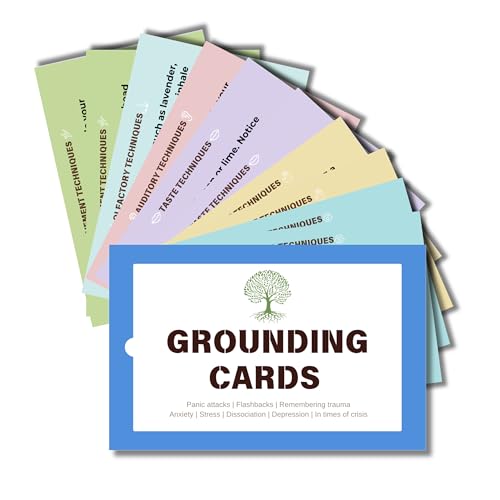
Coping Skills Cards – Mindfulness & Self-Care Deck for Adults & Teens – Emotional Wellness Activities for Focus, Calm & Resilience – Great for Educators, Counselors & Personal Use
- Number of Coping Techniques: Over 20 expert-inspired strategies
- Designed For: Everyday emotional support and self-care
- Includes: Mindfulness tools like breathing and grounding exercises
As an affiliate, we earn on qualifying purchases.
As an affiliate, we earn on qualifying purchases.
Conclusion
Remember, healing begins when you harness hope and honesty. Though numbness may feel like a stubborn shadow, allowing yourself to process pain paves the path to peace. Be brave enough to break free from blame, and believe in better days ahead. With patience, persistence, and a little patience, you’ll gradually regain your resilience, reclaim your joy, and restore your sense of self. Trust that time, tenderness, and trusting your truth will turn the tide toward a brighter, balanced future.

Rebuilding Trust: Guided Therapy Techniques and Activities to Restore Love, Trust, and Intimacy in Your Relationship
As an affiliate, we earn on qualifying purchases.
As an affiliate, we earn on qualifying purchases.
supportive friends and family books
As an affiliate, we earn on qualifying purchases.
As an affiliate, we earn on qualifying purchases.