

After discovering infidelity, it’s natural to feel overwhelmed with pain, anger, and confusion. Allow yourself to experience these emotions without judgment, as suppressing them can prolong your suffering. Healing takes time, and trust rebuilding or letting go will involve patience and honest reflection. By acknowledging your feelings and giving yourself space to process, you create a path toward clarity and growth. Continue exploring to understand how to navigate this difficult emotional journey more effectively.
Key Takeaways
- Experiencing intense emotions like pain, anger, and sadness is normal during the grieving process after infidelity.
- Allowing yourself to feel and express emotions without judgment facilitates healing and emotional release.
- Trust may be shattered, but rebuilding it requires time, transparency, and consistent actions from your partner.
- Managing anger and resentment through healthy outlets supports progress and emotional well-being.
- Personal growth emerges as you process emotions, set boundaries, and gain clarity about your needs and future decisions.

Discovering that your partner has committed adultery can feel overwhelming, leaving you to navigate a complex mix of pain, anger, and confusion. It’s natural to feel as if your world has shifted suddenly, and you might question everything you once believed about your relationship. During this time, emotional healing becomes your priority, but it’s important to recognize that it’s a gradual process. You’ll experience waves of emotion—hurt, betrayal, sadness—that can seem endless. Allow yourself to feel these feelings without judgment. Suppressing them only prolongs the pain. Instead, accept your emotions as part of your healing journey, and seek healthy ways to process them, whether through talking with trusted friends, journaling, or seeking professional support.
Allow yourself to feel and process every emotion without judgment as part of your healing journey.
Trust rebuilding is a vital component of moving forward, but it’s also one of the most challenging. Your sense of security may feel shattered, making it hard to believe in your partner or the foundation of your relationship anymore. You might wonder if trust can ever be restored or if it’s better to let go. Remember, trust is rebuilt through consistent actions over time. Your partner needs to demonstrate genuine remorse and transparency, showing that they’re committed to earning back your confidence. This process requires patience and clear communication. It’s okay to set boundaries and take the time you need to feel safe again. You don’t have to rush into forgiveness or reconciliation; your feelings are valid, and healing cannot be forced.
As you work through emotional healing, you’ll also confront feelings of anger and resentment. These emotions are normal, but holding onto them can hinder your progress. Find healthy outlets for these feelings, like exercise, creative expression, or therapy. By doing so, you allow yourself to release some of the pain and make space for growth. Remember that healing isn’t linear—some days will be better than others. Be gentle with yourself throughout this process. It’s essential to recognize that rebuilding trust and healing emotionally takes time, and it’s okay to lean on others for support.
Ultimately, your journey involves integrating your pain and disappointment into a new understanding of yourself and your needs. Whether you choose to rebuild your relationship or move on, prioritizing your emotional healing will help you regain clarity and strength. Trust that with patience, self-compassion, and honest effort, you can emerge from this experience with a deeper awareness of your resilience and boundaries.

Healing After Loss: Daily Meditations For Working Through Grief
- Targeted for those who experienced loss: Supports those grieving a loved one
- Provides strength and inspiration: Offers encouraging and thoughtful words
- Offers comfort during grief: Provides solace and reassurance
As an affiliate, we earn on qualifying purchases.
As an affiliate, we earn on qualifying purchases.
Frequently Asked Questions
How Long Does the Grieving Process Typically Last?
The grieving process after adultery varies for each person, but it typically lasts several months to even a year. During this time, you’ll develop emotional resilience by practicing coping strategies like seeking support, journaling, or therapy. Remember, healing isn’t linear, so be patient with yourself. It’s important to give yourself grace and understand that your emotions will fluctuate as you work through pain and rebuild trust.
Can Couples Recover Fully After Infidelity?
Think of your relationship as a delicate garden needing careful tending. Yes, couples can recover fully after infidelity, but it requires patience and effort. Trust rebuilding takes time, and the forgiveness journey isn’t linear. With open communication, commitment, and mutual understanding, you can nurture growth and restore your bond. While it may never look exactly as it did before, genuine healing and renewed connection are possible if both partners stay dedicated.
What Signs Indicate Emotional Healing Is Progressing?
You notice emotional healing progressing when you feel increased emotional resilience and openness. If you find yourself expressing vulnerability comfortably and managing your feelings better, it signals growth. You might also notice a reduction in intense anger or sadness, replaced by acceptance. When you start sharing your emotions more honestly and experience moments of genuine connection, it shows you’re on the path to healing. Keep nurturing these signs for continued progress.
How Do I Handle Feelings of Anger and Betrayal?
Your feelings of anger and betrayal can feel like a tidal wave, but you can harness emotional resilience to navigate them. Focus on expressing your emotions honestly, whether through journaling or talking with trusted friends. Rebuilding trust takes time; be patient with yourself and set healthy boundaries. Overcoming these intense emotions is possible, and with steady effort, you’ll find a path toward healing and restoring trust in yourself and others.
When Should I Consider Therapy or Counseling?
You should consider therapy or counseling when your feelings of anger, betrayal, or emotional distress become overwhelming or interfere with daily life. Therapy helps build emotional resilience and develop effective coping strategies, guiding you through complex emotions. If you’re struggling to process your feelings or find it hard to move forward, seeking professional support can provide clarity, healing, and the tools you need to navigate your healing journey.

Rebuilding Trust After Betrayal: A Connected Couple Workbook for Healing and Repair (The Connected Couple Series)
As an affiliate, we earn on qualifying purchases.
As an affiliate, we earn on qualifying purchases.
Conclusion
Remember, healing from adultery is like steering a stormy sea—you might feel overwhelmed and lost at times, but each step forward is a sign of your incredible resilience. Your emotions are valid, and it’s okay to take all the time you need. Trust that someday, the storm will settle, revealing a horizon of peace and self-discovery. Hold onto hope, because your strength can move mountains and transform pain into profound growth.

KDG Motivational Stress Balls(4 Pack) for Kids and Adults,Stress Relief Ball with Quetos to Rrelieve Anxiety and Manage Anger
- Multi-functional Stress Relief: Helps focus, relax, and relieve anxiety
- Suitable for All Ages: Ideal for children, adults, and seniors
- High-Quality Material: Tough, stain-resistant, non-toxic, easy to clean
As an affiliate, we earn on qualifying purchases.
As an affiliate, we earn on qualifying purchases.
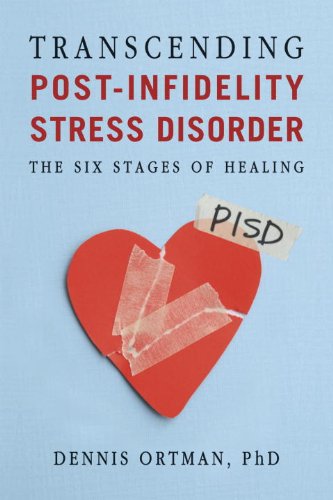
Transcending Post-Infidelity Stress Disorder: The Six Stages of Healing
As an affiliate, we earn on qualifying purchases.
As an affiliate, we earn on qualifying purchases.