

To support your betrayed spouse’s healing, focus on empathetic validation and creating a safe space for their feelings. Acknowledge their pain without rushing to fix it, using calming techniques like aromatherapy and open-ended listening. Show genuine engagement through eye contact and reflective listening, and avoid minimizing their emotions. Remember, your presence and understanding matter more than solutions. If you want to learn effective ways to foster trust and emotional safety, keep exploring these essential strategies.
Key Takeaways
- Practice active listening by giving your full attention and reflecting your spouse’s feelings without interruptions or judgment.
- Validate their emotions with empathetic phrases, affirming that their feelings are normal and understandable.
- Create a calming environment using aromatherapy or soothing techniques to foster emotional safety and openness.
- Avoid offering solutions or advice unless explicitly asked; focus on being present and empathetic.
- Support healing by emphasizing trust, patience, and consistent emotional validation to help your spouse feel seen and heard.

When your spouse has been betrayed, your support becomes essential to their healing process. One of the most powerful ways you can help is by providing emotional validation. This means acknowledging their feelings without judgment or trying to fix things immediately. Instead of offering solutions or dismissing their pain, listen carefully and affirm that their feelings are valid and understandable. You might say, “I can see you’re hurting,” or “It’s okay to feel angry or confused.” This validation helps your spouse feel seen and heard, which is crucial when they’re navigating complex emotions like betrayal, guilt, or sadness. Remember, emotional validation isn’t about fixing their pain but about showing empathy and understanding. Incorporating calming techniques like essential oils for emotional support, such as lavender or frankincense, can also help create a soothing environment that encourages open expression of feelings. Active listening plays a vital role in this process. When your spouse talks, focus entirely on what they’re saying. Put away distractions like your phone or TV and give them your full attention. Use body language—nodding, maintaining eye contact, leaning in—to communicate your engagement. Reflect back what you hear by paraphrasing or summarizing, such as, “It sounds like you’re feeling overwhelmed and uncertain about what to do next.” This demonstrates that you’re truly listening and trying to understand their perspective. Avoid interrupting or offering advice unless they ask for it. Your role isn’t to solve their problems but to be present and supportive as they work through their emotions.

Gya Labs Deep Calm Essential Oil Blend for Relaxation & Emotional Balance – 0.34 fl oz – Calm Aromatherapy Oils for Diffusers, Humidifiers, Aromatherapy – Suitable for Work, Home or Personal Use
A Moment of Tranquility Awaits. Transform your space with the Deep Calm Essential Oil Blend for diffuser oils….
As an affiliate, we earn on qualifying purchases.
As an affiliate, we earn on qualifying purchases.
Frequently Asked Questions
How Long Does It Typically Take for a Betrayed Spouse to Heal?
Healing times vary, but it often takes months to years for a betrayed spouse to rebuild emotional resilience and trust. Patience and consistent effort are key, as trust rebuilding is a gradual process. You should recognize that emotional healing isn’t linear; some days will be better than others. Focus on supporting your spouse, being honest, and demonstrating genuine care to help them move forward at their own pace.
Can Couples Fully Recover After Infidelity?
Yes, couples can fully recover after infidelity, but it requires ongoing trust rebuilding and emotional resilience from both partners. You need to stay committed to honest communication and patience, allowing your partner to heal at their own pace. With consistent effort, open dialogue, and mutual understanding, you can rebuild a stronger relationship and regain trust, turning the betrayal into an opportunity for growth and deeper connection.
What Are Signs of Genuine Remorse From a Cheater?
You’ll recognize genuine remorse when your partner shows emotional honesty and offers a sincere apology without defenses. They openly acknowledge their wrongdoing, take responsibility, and demonstrate a true commitment to change. Their actions consistently align with their words, and they’re willing to be transparent, answer your questions honestly, and rebuild trust. This ongoing effort reflects their sincere desire to repair the hurt and move forward together.
How Should I Handle My Own Emotional Reactions?
You should focus on emotional regulation by acknowledging your feelings without judgment and practicing mindfulness to stay grounded. Be kind to yourself through self-compassion, recognizing that it’s normal to experience a range of emotions. Allow yourself to feel anger, sadness, or confusion, but avoid acting impulsively. Taking care of your emotional health helps you process better and supports your healing journey, ultimately enabling you to be more present for your spouse.
When Is Therapy Most Effective for Healing Betrayal?
Therapy is most effective when your spouse feels emotionally ready and has reached a good emotional readiness to confront betrayal. Timing matters; rushing into therapy too soon may hinder progress, while waiting until both of you are prepared can foster healing. Encourage open communication about feelings, and support their emotional readiness. When they’re prepared, therapy becomes a powerful tool to rebuild trust and work through pain effectively.

Active Listening Techniques: 30 Practical Tools to Hone Your Communication Skills
As an affiliate, we earn on qualifying purchases.
As an affiliate, we earn on qualifying purchases.
Conclusion
Remember, healing takes time and patience. Be there for your spouse, listen without judgment, and show genuine remorse and support. Trust the process and understand that rebuilding your relationship is a journey, not a race. As the saying goes, “Rome wasn’t built in a day,” so stay committed, compassionate, and consistent. With your unwavering care, you can help your partner find healing and create a stronger, more honest future together.

Stress Relief Essential Oil Blend 30 ml – Stress Relief & Calm Essential Oil for Diffusers & Aromatherapy – Promotes Relaxation & Rest – Nexon Botanics
Comforting Aroma: It helps create a fresh and pleasant ambiance.
As an affiliate, we earn on qualifying purchases.
As an affiliate, we earn on qualifying purchases.
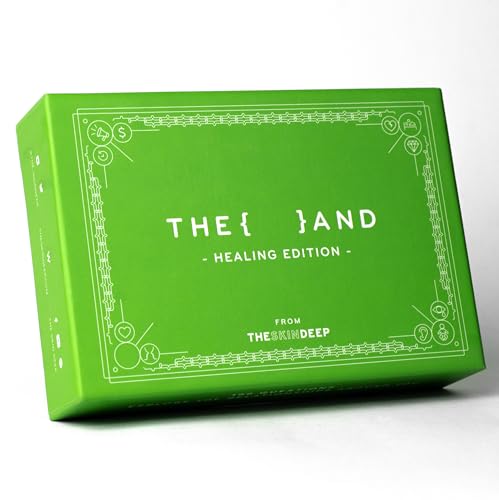
{THE AND} Healing Edition – 199 Question Cards to Heal Strained Relationships – Reconnect by Understanding & Releasing Hurt Feelings – Couple Card Game to Have Difficult Conversations By The Skin Deep
{THE AND} HEALING EDITION: The perfect game for healing strained relationships and releasing hurt feelings: The Healing expansion…
As an affiliate, we earn on qualifying purchases.
As an affiliate, we earn on qualifying purchases.