

After an affair, most couples need more than good intentions — they need a structured, guided process to process betrayal, rebuild trust, and decide whether to stay together. For couples who want to work through recovery on their own (or alongside therapy), the right workbook can make the difference between real repair and repeated blowups. My top overall pick is The Infidelity Recovery Workbook: A 90-Day Couple’s Journey, because its day-by-day structure keeps couples moving when emotions would otherwise stall progress. Two other standouts: After the Affair, Third Edition offers the deepest clinical grounding for couples who want to understand the psychology of betrayal, and How to Help Your Spouse Heal From Your Affair is unmatched as a compact, no-excuses guide for the partner who cheated. The main tradeoff in this category is between clinical depth and usability — the denser books demand more from readers, while simpler workbooks risk feeling shallow for deep wounds. Keep reading for the full breakdown of all 15.

Get gifts for the two of you delivered free with Prime
- Fast, free delivery on millions of items
- Prime Video, Amazon Music and more included
- Member-only deals all year
Key Takeaways
- Structure was the single biggest differentiator: workbooks with a defined timeline (like the 90-day journey format or weekly routines) consistently outperformed open-ended question collections because couples in crisis need momentum and clear next steps.
- Most workbooks in this category are written for the couple, but the strongest picks split duties — several top-ranked titles assign distinct work to the unfaithful partner and the hurt partner, which mirrors how real recovery actually unfolds.
- Clinical credibility varied widely: books grounded in established therapeutic models (Gottman-informed, affair recovery specialist protocols) handled sensitive topics like disclosure and triggers far more safely than generic relationship workbooks repackaged for infidelity.
- A workbook is not a therapist substitute — the top picks are explicit about when to seek professional help, while the weakest options blur that line, which matters enormously when a couple is in the acute crisis phase.
- General couples communication workbooks (like Love More, Fight Less) ranked lower for affair recovery specifically because they skip betrayal-specific work: disclosure, ambivalence about staying, and trigger management.
| Infidelity Journal: For the Partner Who Has Betrayed |  | Best for the Unfaithful Partner’s Reflection | Type: Journal | Series: Infidelity Recovery Collection | Intended user: Partner who has betrayed | VIEW LATEST PRICE | See Our Full Breakdown |
| Love More, Fight Less: Communication Skills Every Couple Needs: A Relationship Workbook for Couples | 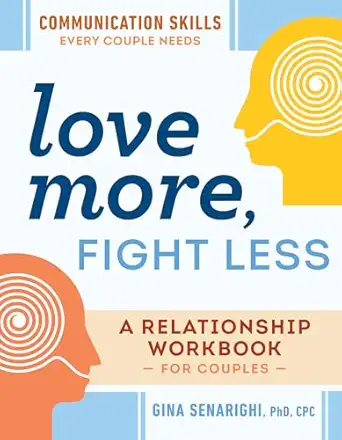 | Best for Communication Practice | Format: Relationship workbook | Intended audience: Couples | Stated focus: Communication skills | VIEW LATEST PRICE | See Our Full Breakdown |
| How to Help Your Spouse Heal From Your Affair: A Compact Manual for the Unfaithful |  | Best for Concise, Action-Oriented Guidance | Format: Compact manual | Intended reader: Unfaithful partner | Topic: Helping a spouse heal after an affair | VIEW LATEST PRICE | See Our Full Breakdown |
| The Infidelity Recovery Workbook: A 90-Day Couple’s Journey to Rebuild, Redefine, and Reignite Your Relationship |  | Best Structured Couples Program | Format: Workbook | Duration: 90 days | Intended audience: Couples | VIEW LATEST PRICE | See Our Full Breakdown |
| Couples Therapy and Infidelity Recovery Workbook |  | Best for Couples Seeking a Therapy-Framed Workbook | Format: Workbook | Intended audience: Couples | Stated subject: Couples therapy and infidelity recovery | VIEW LATEST PRICE | See Our Full Breakdown |
| After the Affair, Third Edition: Healing the Pain and Rebuilding Trust When a Partner Has Been Unfaithful |  | Best Foundational Guide | Edition: Third Edition | Format: Book | Focus: Infidelity recovery and trust rebuilding | VIEW LATEST PRICE | See Our Full Breakdown |
| Infidelity Recovery Workbook for Couples: Tools and Exercises to Rebuild Your Relationship |  | Best Value Entry Point | Format: Workbook | Focus: Infidelity recovery and relationship rebuilding | Content Type: Tools and exercises | VIEW LATEST PRICE | See Our Full Breakdown |
| How to Stay Married After Betrayal: Scripts, Checklists, and Weekly Routines for Couples Rebuilding Trust |  | Best for Structure Seekers | Series: The Marriage Maintenance Manuals | Format: Book | Focus: Post-betrayal trust rebuilding | VIEW LATEST PRICE | See Our Full Breakdown |
| Infidelity Recovery: A Comprehensive Workbook for Healing, Rebuilding Trust, and Restoring Intimacy in Your Relationship |  | Best for Restoring Intimacy | Format: Workbook | Focus: Healing, trust rebuilding, and intimacy restoration | Structure: Comprehensive step-by-step progression | VIEW LATEST PRICE | See Our Full Breakdown |
| Rebuilding Trust After Betrayal: A Connected Couple Workbook for Healing and Repair |  | Best Guided Exercise Experience | Series: The Connected Couple Series | Format: Workbook | Focus: Trust rebuilding, healing, and repair after betrayal | VIEW LATEST PRICE | See Our Full Breakdown |
| Rebuilding After the Affair: A Clinical Couples Workbook for Infidelity Recovery and Trust Rebuilding |  | Best Structured Program | Format: Workbook | Program Length: 90 days | Methodology: Evidence-based / clinical | VIEW LATEST PRICE | See Our Full Breakdown |
| The Courage to Stay Journal: An Affair Recovery Workbook for the Hurt Partner |  | Best for the Hurt Partner’s Private Healing | Format: Guided journal / workbook | Target Audience: Hurt (betrayed) partner, individual use | Topic: Affair recovery and betrayal trauma | VIEW LATEST PRICE | See Our Full Breakdown |
| After the Affair: A Couples Recovery Workbook for Rebuilding Trust, Processing Betrayal, and Deciding Whether to Stay or Go After Infidelity |  | Best for Couples Undecided About Their Future | Format: Workbook | Target Audience: Couples after infidelity, undecided about the relationship | Core Focus: Trust rebuilding, betrayal processing, relationship decision-making | VIEW LATEST PRICE | See Our Full Breakdown |
| Rebuilding Trust: Guided Therapy Techniques and Activities to Restore Love, Trust, and Intimacy in Your Relationship |  | Best Therapy-Style Exercise Collection | Format: Guided activity workbook | Target Audience: Couples rebuilding trust and intimacy | Approach: Therapy-based techniques and exercises | VIEW LATEST PRICE | See Our Full Breakdown |
| Couples Therapy Workbook: Strategies to Connect, Restore Love and Trust, and Improve Communication |  | Best General-Purpose Couples Workbook | Format: Workbook | Target Audience: Couples | Topics: Connection, love, trust, communication, intimacy, validation | VIEW LATEST PRICE | See Our Full Breakdown |
| affair recovery workbooks for couple | Format |
|---|---|
| Infidelity Journal: For the Pa | — |
| Love More | Relationship workbook |
| How to Help Your Spouse Heal F | Compact manual |
| The Infidelity Recovery Workbo | Workbook |
| Couples Therapy and Infidelity | Workbook |
| After the Affair | Book |
| Infidelity Recovery Workbook f | Workbook |
| How to Stay Married After Betr | Book |
| Infidelity Recovery: A Compreh | Workbook |
| Rebuilding Trust After Betraya | Workbook |
| Rebuilding After the Affair: A | Workbook |
| The Courage to Stay Journal: A | Guided journal / workbook |
| After the Affair: A Couples Re | Workbook |
| Rebuilding Trust: Guided Thera | Guided activity workbook |
| Couples Therapy Workbook: Stra | Workbook |
More Details on Our Top Picks
Infidelity Journal: For the Partner Who Has Betrayed
This journal has a narrower job than a shared couples workbook: it gives the partner who was unfaithful a place to examine choices, take responsibility, and reflect on repair. Its guided prompts may help someone prepare for more honest conversations, while its place in the Infidelity Recovery Collection signals a focused approach to the subject. Compared with The Infidelity Recovery Workbook, which is described as a 90-day journey for couples, this is an individual reflection tool rather than a joint program. That focus is also its main limitation: it does not, based on the supplied details, offer exercises for both partners or a shared recovery plan. The prompts may bring up difficult feelings, so it suits a willing participant better than someone looking for a light or neutral relationship journal.
Pros:- Guided prompts focus on self-examination
- Encourages the unfaithful partner to take responsibility
- Part of the Infidelity Recovery Collection
Cons:- Designed for the partner who betrayed, so it is not a shared couples resource
- Self-reflection may be emotionally challenging
- Supplied details do not describe a step-by-step plan for rebuilding trust together
Best for: A partner who has been unfaithful and wants structured prompts for personal reflection alongside broader recovery work.
Not ideal for: Couples seeking a shared workbook with joint exercises, or a hurt partner looking for a journal centered on their own recovery.
- Type:Journal
- Series:Infidelity Recovery Collection
- Intended user:Partner who has betrayed
- Focus:Self-examination and growth
- Activity:Guided prompts and reflections
- Recovery aim:Taking responsibility and working toward healing
Our verdict“Choose this journal for individual accountability work; choose a couples workbook if both partners need shared exercises.”
Love More, Fight Less: Communication Skills Every Couple Needs: A Relationship Workbook for Couples
When a couple is ready to work on how they talk to each other, this workbook’s stated focus on communication skills offers a practical entry point. That can matter during affair recovery, when difficult conversations are part of the work, but the supplied description does not say that the exercises address infidelity, disclosure, or rebuilding trust. Compared with The Infidelity Recovery Workbook, whose described 90-day structure directly centers on recovery after an affair, this title appears broader and less tailored to betrayal. That makes it a possible fit for couples who want relationship communication practice alongside other support, but a weaker standalone choice for affair repair. The listing provides no detail on its activities or format beyond calling it a relationship workbook, so buyers have little basis to judge how closely its exercises match their needs.
Pros:- Centers on communication skills
- Designed for couples to use together
- Workbook format suggests an activity-based approach
Cons:- Supplied description does not identify affair recovery as a focus
- No details are provided about exercises or the workbook’s structure
- May not address trust repair or the specific impact of betrayal
Best for: Couples who want a communication-focused workbook to supplement affair recovery work and are comfortable with a general relationship approach.
Not ideal for: Partners looking for explicit exercises on infidelity, accountability, or rebuilding trust after an affair.
- Format:Relationship workbook
- Intended audience:Couples
- Stated focus:Communication skills
- Stated aim:Help couples love more and fight less
- Specific affair recovery content:Not specified in supplied product data
- Exercises and structure:Not specified in supplied product data
Our verdict“Pick it for general communication practice as a supplement, not as the main affair recovery workbook.”
How to Help Your Spouse Heal From Your Affair: A Compact Manual for the Unfaithful
This compact manual is aimed squarely at the partner who had an affair and wants to support their spouse’s healing. Its actionable guidance and clear focus on the unfaithful partner’s role make it more direct than Infidelity Journal: For the Partner Who Has Betrayed, which centers on written self-reflection. The manual’s concise scope may help readers looking for practical direction without committing to a longer couple-led program such as The Infidelity Recovery Workbook. The tradeoff is limited depth: the supplied description says it may not cover every situation or complex emotional issues. It is guidance for one partner, not a complete shared workbook, so couples may need additional resources for joint conversations and the hurt partner’s needs.
Pros:- Offers clear, actionable guidance
- Focuses on the unfaithful partner’s role in repair
- Concise format may be easier to approach than a long program
Cons:- May not address every couple’s circumstances
- Limited depth on complex emotional issues
- Does not appear to be a shared couples workbook
Best for: A partner who had an affair and wants concise, practical guidance on supporting their spouse’s healing.
Not ideal for: Couples who want an in-depth joint workbook or need extensive help with complex emotional circumstances.
- Format:Compact manual
- Intended reader:Unfaithful partner
- Topic:Helping a spouse heal after an affair
- Stated approach:Practical steps and insights
- Recovery aims:Rebuild trust and repair the relationship
- Depth:May not cover all unique situations or complex emotional issues
Our verdict“Choose this manual for focused guidance for the unfaithful partner, and pair it with joint support if both partners need structured work.”
The Infidelity Recovery Workbook: A 90-Day Couple’s Journey to Rebuild, Redefine, and Reignite Your Relationship
Among these five, this is the clearest fit for couples who want a shared path through affair recovery: the 90-day program sets a defined timeframe, and the workbook’s exercises address rebuilding trust, redefining relationship dynamics, and renewing connection. That makes it more directly tailored to joint recovery than Love More, Fight Less, whose supplied description focuses on general communication skills. It also asks more of both partners than the individual journal or concise manual in this group. A set schedule can give willing couples a sense of direction, but a 90-day commitment takes time and active participation. The product description does not establish that every couple’s needs will fit its sequence, so partners facing complex circumstances may want support beyond a workbook.
Pros:- Provides a structured 90-day plan
- Designed for couples to use together
- Includes exercises aimed at rebuilding trust
- Addresses relationship dynamics and emotional connection
Cons:- Requires sustained time and participation over 90 days
- May not suit couples unwilling to engage in active exercises
- A fixed program may not match every couple’s pace or circumstances
Best for: Couples who both want a structured, exercise-based recovery plan with a defined 90-day timeframe.
Not ideal for: Partners who are not ready to work together consistently, or couples seeking a flexible, self-paced resource.
- Format:Workbook
- Duration:90 days
- Intended audience:Couples
- Stated program:Couple’s recovery journey
- Recovery focus:Rebuild trust
- Relationship focus:Redefine relationship dynamics
- Connection focus:Reignite emotional connection
- Method:Guided exercises and strategies
Our verdict“Choose this workbook when both partners want a defined, hands-on recovery program and can commit to its schedule.”
Couples Therapy and Infidelity Recovery Workbook
The title places this workbook directly at the intersection of couples therapy and infidelity recovery, making it a more targeted-sounding option than Love More, Fight Less, which is described as a general communication workbook. The supplied description says its aim is to help couples rebuild, restore, and strengthen their relationship after infidelity, but offers no details about exercises, pacing, or whether the material is intended for use with a therapist. That leaves less to judge than with The Infidelity Recovery Workbook, which specifies a 90-day couple’s program and guided exercises. This may appeal to couples drawn to a therapy-oriented framing, yet the limited product information makes it hard to know how structured or hands-on the workbook is. Buyers should not assume a title alone confirms clinical guidance.
Pros:- Explicitly connects couples therapy with infidelity recovery
- Aims to help partners rebuild and strengthen their relationship
- Addresses recovery as a couple rather than focusing on one partner
Cons:- Supplied description gives no details about exercises or structure
- Therapist involvement is not specified
- Less information is available for comparison than for the 90-day workbook
Best for: Couples looking for a workbook explicitly framed around therapy and infidelity recovery who are willing to check the contents before relying on it.
Not ideal for: Buyers who need a clearly described program, specific exercises, or confirmation that a therapist is involved.
- Format:Workbook
- Intended audience:Couples
- Stated subject:Couples therapy and infidelity recovery
- Stated aim:Rebuild, restore, and strengthen the relationship
- Specific exercises:Not specified in supplied product data
- Program duration:Not specified in supplied product data
Our verdict“Consider it for its couples therapy and infidelity focus, but choose the 90-day workbook if you want a clearly described program.”
After the Affair, Third Edition: Healing the Pain and Rebuilding Trust When a Partner Has Been Unfaithful
After the Affair, Third Edition stands out as the most clinically grounded entry point in this lineup. Where most options here are exercise-driven workbooks, this one functions as a framework-first guide — it explains why betrayal wounds the way it does before asking couples to do anything about it. Compared with the Infidelity Recovery Workbook for Couples, it offers far more context and therapeutic depth, though at the cost of fewer fill-in-the-blank exercises. The dual-partner framing is a real differentiator: both the unfaithful and the betrayed partner get distinct, direct guidance rather than a one-size-fits-all script. The tradeoff is commitment — this book works only when both people actively read and engage, and it’s squarely focused on infidelity rather than general relationship repair.
Pros:- Grounded in decades-updated clinical therapeutic approaches
- Gives distinct, direct guidance to both the betrayed and unfaithful partner
- Explains the emotional mechanics of betrayal, not just the fix
- Third edition reflects current thinking on trauma and trust repair
Cons:- Fewer hands-on exercises than dedicated workbooks in this roundup
- Both partners must actively participate for real results
Best for: Couples who want to understand the psychology of betrayal before diving into exercises, especially those who value an established, therapist-referenced framework
Not ideal for: Couples seeking a plug-and-play exercise workbook with daily prompts — this is heavier on explanation than structured practice
- Edition:Third Edition
- Format:Book
- Focus:Infidelity recovery and trust rebuilding
- Audience:Both betrayed and unfaithful partners
- Approach:Explanation-led clinical framework
- Exercise Level:Moderate — fewer than dedicated workbooks
Our verdict“This is the book for couples who want to understand what happened to their relationship before they start rebuilding it.”
Infidelity Recovery Workbook for Couples: Tools and Exercises to Rebuild Your Relationship
Infidelity Recovery Workbook for Couples earns its spot as the most accessible starting point for couples who want exercises without a lot of theory. Its whole appeal is directness: open it, pick a tool, do the work. Compared with After the Affair, it trades depth of explanation for immediate, structured exercises — a reasonable swap for couples who already know why they’re hurting and just need a path forward. It also lacks the prescriptive weekly structure of How to Stay Married After Betrayal, which makes it more flexible but less guided; a couple with low momentum may drift without a set routine. The straightforward format keeps the barrier to entry low, which matters enormously in the early, fragile stage of recovery when heavy clinical language can feel alienating.
Pros:- Exercise-driven format with an immediate start
- Accessible language with minimal clinical jargon
- Works for couples who want tools rather than theory
- Flexible pacing — no forced weekly structure
Cons:- Lighter on psychological context than deeper guides in this roundup
- Minimal structure may stall couples who struggle with self-direction
Best for: Couples early in recovery who want low-cost, low-commitment exercises they can start the same day
Not ideal for: Couples needing a rigid schedule or deep psychological context — this offers exercises, not a structured recovery program
- Format:Workbook
- Focus:Infidelity recovery and relationship rebuilding
- Content Type:Tools and exercises
- Audience:Couples
- Structure:Flexible, exercise-led
- Approach:Practical and accessible
Our verdict“A sensible first purchase for couples who want to start doing the work tonight rather than reading about it first.”
How to Stay Married After Betrayal: Scripts, Checklists, and Weekly Routines for Couples Rebuilding Trust
How to Stay Married After Betrayal takes a different bet than anything else in this roundup: that couples in crisis need exact words to say and exact things to do, not open-ended reflection. The scripts and checklists are the headline feature — compared with the Infidelity Recovery Workbook for Couples, which gives you tools but leaves pacing to you, this book hands you a weekly routine that removes decision fatigue entirely. That’s genuinely valuable when both partners are exhausted and conversations keep collapsing into blame. The tradeoff is prescriptiveness: couples with a clear sense of their own path may find the scripts feel formulaic, and it presumes both partners have already decided to stay married, unlike options such as After the Affair: A Couples Recovery Workbook, which addresses the stay-or-go question. As part of The Marriage Maintenance Manuals series, it also extends naturally into longer-term relationship upkeep.
Pros:- Ready-to-use scripts for difficult conversations
- Weekly routines eliminate guesswork and decision fatigue
- Checklists make progress visible and trackable
- Part of a series supporting long-term marriage maintenance
Cons:- Presumes the couple has committed to staying married
- Scripted approach can feel formulaic for expressive or self-directed couples
Best for: Couples who have decided to stay together and want a prescriptive, week-by-week routine with literal scripts for hard conversations
Not ideal for: Couples still deciding whether to stay, or those who find scripted language inauthentic — it presumes a committed rebuild
- Series:The Marriage Maintenance Manuals
- Format:Book
- Focus:Post-betrayal trust rebuilding
- Tools Included:Scripts, checklists, weekly routines
- Structure:Prescriptive weekly format
- Audience:Couples committed to staying married
Our verdict“This pick makes the most sense for couples who want a strict weekly plan rather than open-ended exercises.”
Infidelity Recovery: A Comprehensive Workbook for Healing, Rebuilding Trust, and Restoring Intimacy in Your Relationship
Most infidelity workbooks stop at trust; Infidelity Recovery keeps going into the territory couples often fear most — restoring physical and emotional intimacy. That’s what separates it from the trust-focused Rebuilding Trust After Betrayal workbook in this lineup. The step-by-step progression moves from healing, through trust, to reconnection, which mirrors how experienced therapists actually sequence this work. Compared with How to Stay Married After Betrayal, it’s less prescriptive but broader — fewer scripts, more reflective ground to cover. The honest tradeoff: its scope makes it demanding. It requires sustained, willing participation from both partners across a longer arc, and it works best as a companion to professional therapy rather than a substitute. Couples who want a quick-fix toolkit will find it heavy; couples serious about full reconnection will find that breadth is exactly the point.
Pros:- Explicitly addresses intimacy restoration, a gap in most competing workbooks
- Sequenced progression from healing to trust to reconnection
- Step-by-step structure keeps long-term work on track
- Broad enough to carry a couple through multiple recovery phases
Cons:- Demanding scope requires sustained commitment from both partners
- Not a substitute for professional therapy in higher-conflict situations
Best for: Couples past the initial crisis stage who want structured work specifically on reconnecting intimately, not just rebuilding trust
Not ideal for: Couples in the raw early weeks after discovery, or anyone expecting a workbook to replace a licensed therapist
- Format:Workbook
- Focus:Healing, trust rebuilding, and intimacy restoration
- Structure:Comprehensive step-by-step progression
- Content Type:Practical exercises and guidance
- Audience:Couples
- Depth:Multi-phase, longer-term program
Our verdict“The strongest choice for couples who’ve stabilized and now want a workbook that tackles reconnection, not just trust.”
Rebuilding Trust After Betrayal: A Connected Couple Workbook for Healing and Repair
Rebuilding Trust After Betrayal wins on the quality of its guided exercises — the prompts here are more reflective and emotionally attuned than the checklist-driven style of How to Stay Married After Betrayal. It’s built for couples who process through conversation and writing rather than through tasks. As part of The Connected Couple Series, it also opens a path for continued work after the betrayal-specific material runs out, something standalone options like the Infidelity Recovery Workbook for Couples can’t offer. The narrower focus is both strength and limitation: it goes deeper on trust repair than broader workbooks, but couples needing intimacy-specific work will want Infidelity Recovery instead. The recurring catch in this category applies here too — the exercises only function when both partners show up, and a partner going through the motions will get motion-level results. Compared with the Courage to Stay Journal, which serves the hurt partner alone, this one demands a two-person commitment.
Pros:- High-quality guided exercises that prompt real conversation
- Connects to a broader series for continued relationship work
- Focused depth on trust repair specifically
- Reflective style suits emotionally expressive couples
Cons:- Requires full commitment from both partners to be effective
- Narrow trust focus leaves intimacy and communication gaps other workbooks fill
Best for: Reflective couples who prefer deep conversational and written exercises over task lists, and who may want a series to continue with afterward
Not ideal for: Couples where one partner is unwilling to engage, or those who prefer direct scripts and checklists over open-ended reflection
- Series:The Connected Couple Series
- Format:Workbook
- Focus:Trust rebuilding, healing, and repair after betrayal
- Content Type:Guided exercises and strategies
- Approach:Reflective and conversation-driven
- Audience:Couples working together
Our verdict“Choose this if you and your partner heal best through honest conversation on paper, and you want a series to grow into.”
Rebuilding After the Affair: A Clinical Couples Workbook for Infidelity Recovery and Trust Rebuilding
Among the 90-day options in this roundup, this workbook stands out for pairing a fixed timeline with a clinical, evidence-based methodology — a combination that gives uncertain couples an answer to the hardest early question: “what do we actually do?” Compared with The Infidelity Recovery Workbook: A 90-Day Couple’s Journey, which leans more relational and reflective, this one reads closer to a therapist-designed protocol, prioritizing emotional safety exercises over open conversation prompts. That rigor is a genuine asset for couples who flounder without structure, but it comes with a real tradeoff: the 90-day commitment demands consistent participation from both partners, and pairs who prefer open-ended, therapy-room-style exploration may find the pacing rigid.
Pros:- Clear 90-day roadmap removes guesswork from early recovery
- Evidence-based framing gives exercises clinical credibility
- Practical tools target emotional safety, the foundation of trust rebuilding
- Works as a shared weekly ritual for both partners
Cons:- Demands a sustained three-month time commitment
- Too prescriptive for couples who prefer open-ended therapeutic conversation
Best for: Couples who collapse without structure and want a therapist-style, day-by-day roadmap rather than loose prompts
Not ideal for: Couples where one partner is ambivalent about recovery — the 90-day arc stalls fast without full participation
- Format:Workbook
- Program Length:90 days
- Methodology:Evidence-based / clinical
- Target Audience:Couples recovering from infidelity
- Core Focus:Betrayal trauma, emotional safety, trust rebuilding
- Structure:Time-boxed daily/weekly program
Our verdict“This pick makes the most sense for couples who want a disciplined, clinically grounded 90-day program they can follow together.”
The Courage to Stay Journal: An Affair Recovery Workbook for the Hurt Partner
Most workbooks in this category are built for two people at one table; this one deliberately serves just one. It carves out a private journaling space for the betrayed partner, which fills a gap the couples-focused titles leave open — you can’t do Rebuilding After the Affair alone, but you can work through this journal whether or not the relationship survives. The trauma-processing prompts are its real strength, giving structure to emotions that feel unmanageable. The tradeoff is equally clear: it offers no shared exercises, so a couple hoping for joint repair tools should pair it with a couples title rather than expect it to do both jobs. It also requires honest, sometimes painful self-work to deliver value.
Pros:- Purpose-built for the hurt partner’s specific emotional needs
- Structured prompts make overwhelming trauma feel processable
- Fully private — no dependency on the unfaithful partner’s participation
- Useful whether the couple stays together or separates
Cons:- No couples exercises, so it can’t drive joint repair on its own
- Benefits depend heavily on the user’s willingness to engage in difficult self-reflection
Best for: The betrayed partner who needs a private outlet for trauma processing, whether or not the couple is working together yet
Not ideal for: Couples seeking shared exercises — this contains no joint repair work at all
- Format:Guided journal / workbook
- Target Audience:Hurt (betrayed) partner, individual use
- Topic:Affair recovery and betrayal trauma
- Core Focus:Emotional processing, trust, self-reflection
- Use Mode:Private, solo work
- Structure:Prompted journaling exercises
Our verdict“The right choice for the hurt partner who needs to heal individually before — or alongside — any couples work.”
After the Affair: A Couples Recovery Workbook for Rebuilding Trust, Processing Betrayal, and Deciding Whether to Stay or Go After Infidelity
What separates this workbook from Rebuilding After the Affair and other recovery-forward titles is its willingness to treat staying vs. leaving as a legitimate question rather than a foregone conclusion. Where most workbooks in this roundup assume reconciliation is the goal, this one builds in structured decision-making exercises that help couples evaluate the relationship honestly before committing to repair. That honesty cuts both ways: the material can be emotionally confronting, and unlike The Courage to Stay Journal, it requires both partners to show up and engage. Couples deep in ambivalence will find it valuable precisely because it doesn’t push an agenda; those already committed to rebuilding may get more from a dedicated trust-rebuilding program.
Pros:- Treats stay-or-go as a real decision, not a presumption
- Structured betrayal-processing exercises alongside trust work
- Doesn’t push reconciliation as the only acceptable outcome
- Practical tools rather than abstract advice
Cons:- Emotionally demanding content that can intensify conflict if timed poorly
- Requires genuine commitment from both partners to function
Best for: Couples in the raw aftermath who haven’t decided whether to reconcile or separate and want help thinking it through
Not ideal for: Couples already firmly committed to rebuilding — the decision-framework chapters will feel redundant
- Format:Workbook
- Target Audience:Couples after infidelity, undecided about the relationship
- Core Focus:Trust rebuilding, betrayal processing, relationship decision-making
- Use Mode:Joint, couples-based
- Structure:Guided exercises and decision frameworks
- Stance:Neutral on stay vs. go
Our verdict“The best fit for couples sitting in uncertainty who need help deciding before they can start rebuilding.”
Rebuilding Trust: Guided Therapy Techniques and Activities to Restore Love, Trust, and Intimacy in Your Relationship
Compared with the affair-specific titles here, this book takes a broader trust lens: its therapy-derived techniques target love, trust, and intimacy as connected systems rather than isolating infidelity as a topic. That makes it a strong follow-on for couples who have already done crisis-stage work — say, finished After the Affair‘s decision exercises — and now want restoration activities that rebuild closeness day to day. The guided activity format suits couples who learn by doing rather than reading theory. The tradeoff is depth: because it isn’t specialized in betrayal trauma, couples in the acute aftermath may find it too gentle for the intensity of what they’re carrying, and it lacks the clinical framing of Rebuilding After the Affair.
Pros:- Therapy-grounded techniques translated into doable couple activities
- Connects trust work directly to intimacy and emotional closeness
- Activity-based format suits couples who prefer doing over reading
- Useful beyond infidelity for general trust repair
Cons:- Generalist scope means less depth on betrayal trauma specifically
- Lighter structure than dedicated 90-day affair programs
Best for: Couples past the acute crisis stage who want hands-on therapy-style activities to restore intimacy and everyday trust
Not ideal for: Couples in the immediate aftermath of a fresh betrayal — the general trust focus underserves acute betrayal trauma
- Format:Guided activity workbook
- Target Audience:Couples rebuilding trust and intimacy
- Approach:Therapy-based techniques and exercises
- Core Focus:Love, trust, and intimacy restoration
- Scope:General relationship trust, not infidelity-specific
- Use Mode:Joint, couples-based activities
Our verdict“Best treated as a second-stage resource for couples rebuilding closeness after the hardest conversations are behind them.”
Couples Therapy Workbook: Strategies to Connect, Restore Love and Trust, and Improve Communication
This is the most generalist entry in the lineup — a relationship workbook covering communication, connection, trust, intimacy, and validation rather than infidelity specifically. Its breadth is the point: unlike Rebuilding Trust, which leans on therapy techniques, this one is organized around everyday communication strategies, making it the most accessible starting point for couples whose bigger problem is disconnection, with an affair as one symptom among several. The validation exercises are especially useful for couples where conversations keep collapsing into defensiveness. The obvious tradeoff is that couples facing acute betrayal will find it too diffuse — it lacks the trauma-informed specificity of The Courage to Stay Journal or the structured arc of a 90-day program.
Pros:- Strong communication and validation frameworks couples can apply immediately
- Broad topic coverage makes it reusable across relationship stages
- Accessible entry point for couples new to workbook-style self-help
- Frames trust as something built through daily connection habits
Cons:- Not affair-specific, so it under serves betrayal trauma recovery
- Breadth comes at the cost of depth on any single issue
Best for: Couples whose core struggle is communication breakdown and disconnection, with trust damage but no acute betrayal crisis
Not ideal for: Couples recovering from a recent affair — the general communication focus won’t address betrayal trauma’s intensity
- Format:Workbook
- Target Audience:Couples
- Topics:Connection, love, trust, communication, intimacy, validation
- Approach:Strategy and skills-based exercises
- Scope:General relationship repair, not infidelity-specific
- Use Mode:Joint, couples-based
Our verdict“A sensible pick for couples who need a communication-first reset rather than specialized infidelity recovery work.”

How We Picked
I evaluated each workbook against four criteria that matter most to couples recovering from infidelity. First, betrayal-specific content: the book had to address disclosure, triggers, ambivalence about staying, and trust rebuilding — not just generic communication skills. Second, structure and pacing: I favored workbooks with clear timelines, weekly exercises, or staged phases, because couples in crisis do better with a defined path than an open-ended list of prompts. Third, clinical grounding: titles written by therapists or built on established affair-recovery models ranked higher for handling volatile moments safely. Fourth, usability for both partners: the best books give the unfaithful partner and the hurt partner distinct, actionable work rather than treating recovery as one shared project.
The ranking order reflects how these criteria combine. Books that pair strong structure with deep, affair-specific content sit at the top. Mid-tier picks excel in one dimension — often depth or accessibility — but fall short in another, such as assuming the couple has already decided to stay together. Bottom-ranked titles aren’t bad books; they’re general relationship workbooks that underserve this specific crisis, and I’ve been explicit about who should skip each one.
| affair recovery workbooks for couple | Format |
|---|---|
| Infidelity Journal: For the Pa | — |
| Love More | Relationship workbook |
| How to Help Your Spouse Heal F | Compact manual |
| The Infidelity Recovery Workbo | Workbook |
| Couples Therapy and Infidelity | Workbook |
| After the Affair | Book |
| Infidelity Recovery Workbook f | Workbook |
| How to Stay Married After Betr | Book |
| Infidelity Recovery: A Compreh | Workbook |
| Rebuilding Trust After Betraya | Workbook |
| Rebuilding After the Affair: A | Workbook |
| The Courage to Stay Journal: A | Guided journal / workbook |
| After the Affair: A Couples Re | Workbook |
| Rebuilding Trust: Guided Thera | Guided activity workbook |
| Couples Therapy Workbook: Stra | Workbook |
Factors to Consider When Choosing Affair Recovery Workbooks For Couples
Choosing an affair recovery workbook is not like choosing a fitness book — the wrong fit can actively set recovery back. Before buying, think through these five factors, because they shape which of the 15 picks will actually get used in your home rather than sitting on a nightstand.
Who the Workbook Is Written For
The most common mistake couples make is buying a book that doesn’t match their situation. Some workbooks are written to the couple jointly, others speak directly to the unfaithful partner, and a few focus on the hurt partner’s healing alone. If the betraying partner buys a book aimed at their spouse, it can feel like the burden is being shifted back to the injured person — a common recovery landmine. Conversely, a hurt partner working through a betrayed-person journal may need their spouse reading something entirely different in parallel. Many couples end up with two books, one per partner, and that’s often healthier than forcing a single shared text too early. Check the subtitle and introduction carefully before buying.
Where You Are in the Recovery Timeline
Recovery typically moves through phases: acute crisis (the first weeks after discovery), decision-making (staying or leaving), and long-term rebuilding. Workbooks that demand deep emotional disclosure in week one can be harmful during the crisis phase, when nervous systems are flooded and conversations go sideways fast. If the affair was discovered very recently, look for structured, lower-intensity formats — weekly routines, scripts, and short check-ins — before attempting intensive couples exercises. Books built on staged or phased models make this easier because they tell you where to start. A common mistake is skipping ahead to intimacy and reconnection chapters before trust foundations exist, which usually produces a painful relapse into conflict.
Structure vs. Freedom
Some couples thrive with a 90-day program or weekly protocol; others chafe at anything that feels like homework and abandon it by week two. Be honest about your household. If one partner is a self-starter and the other resists structure, a rigid daily format may become its own source of conflict — a real risk when the relationship is already fragile. Looser, chapter-based books with reflection prompts suit couples who prefer to move at their own pace and dip in when they’re ready. On the other hand, couples who keep having the same circular argument with no progress usually benefit from external scaffolding that tells them exactly what to do next. There’s no universally right answer, only the right fit for how you two operate.
Clinical Grounding and Safety
Infidelity recovery involves emotionally dangerous territory: full disclosure, triggers, shame spirals, and sometimes ongoing deception. Workbooks written by therapists or grounded in established models tend to handle these moments with guardrails — warning signs for when to pause, and clear guidance on when professional help is needed. Books without that grounding sometimes push full-disclosure conversations or confrontation exercises at the wrong moment, which can escalate rather than heal. Look for authors with stated clinical credentials or affiliations, and be wary of any workbook that promises a fixed timeline to ‘full recovery.’ Also check whether the book acknowledges that some couples should separate; the ones that assume staying is the only right answer can pressure a hurt partner who is still deciding.
Deciding Whether to Stay or Go
Not every couple buys a recovery workbook having already committed to staying together, and this changes what you should buy. If either partner is still ambivalent, choose a workbook that explicitly addresses the decision itself — processing betrayal, weighing the relationship’s history, and clarifying what each person needs — rather than one that jumps straight to rebuilding rituals. Books that ignore ambivalence force premature commitment, and that unprocessed doubt tends to resurface months later, often destructively. If you’ve both firmly decided to rebuild, a decision-focused book will feel like wasted chapters, and a rebuilding-focused program is the better investment. This single factor separates several otherwise similar titles in the lineup above.
Using a Workbook Alongside Therapy
Many couples use workbooks while also seeing a couples therapist, and the best workbooks are designed to complement that work rather than replace it. If therapy is part of your plan, look for books with exercises you can bring into sessions — structured disclosure frameworks, weekly check-in formats, or worksheets a therapist can assign between meetings. Be prepared to tell your therapist what you’re working through; a good clinician will integrate it. One caution: if your therapist is using a specific model, a workbook from a clashing framework may create confusing mixed messages. And if you’re not in therapy but arguments regularly escalate to rage, withdrawal, or threats, a workbook alone is the wrong tool — prioritize finding professional support first.
Frequently Asked Questions
Can a workbook really help us recover from an affair without a therapist?
For many couples, yes — but with real limits. A well-structured workbook provides the things couples usually lack after betrayal: a shared roadmap, scripts for hard conversations, and exercises that prevent the same fight from repeating endlessly. Couples with moderate conflict, mutual commitment, and emotional safety can make meaningful progress on their own. However, a workbook cannot mediate when conversations escalate into rage, stonewalling, or blame spirals, and it cannot spot ongoing deception. If either partner has serious doubts about honesty, or if discussions routinely end worse than they started, a therapist trained in infidelity recovery should lead the process, with the workbook playing a supporting role between sessions.
Should the unfaithful partner and the hurt partner use different books?
Often, yes — and this is one of the most underappreciated points in affair recovery. The two partners have fundamentally different tasks: the unfaithful partner needs to practice transparency, accountability, and patience with their spouse’s triggers, while the hurt partner needs space to grieve, process, and rebuild a sense of safety. Some workbooks split these roles internally, assigning distinct chapters to each partner, while others speak to just one side. A common pattern that works well is pairing a compact accountability manual for the unfaithful partner with a healing journal for the hurt partner, then moving into a joint couples workbook once the acute phase settles. Forcing both partners through identical exercises too early often leaves the hurt partner feeling rushed and the unfaithful partner feeling lectured.
How long does affair recovery actually take with a workbook?
Most clinicians estimate genuine trust rebuilding takes one to two years, and any workbook promising a fast fix should raise suspicion. What workbooks can do is compress the early chaos: a 90-day or 12-week program typically stabilizes the acute phase, establishes communication routines, and gets disclosure conversations done more safely. Think of the workbook’s stated timeline as covering phase one, not the whole journey. Couples who finish a structured program usually continue with monthly check-ins, anniversary acknowledgment, and occasional revisiting of exercises when triggers arise. If a book claims full recovery in 30 days, it’s either oversimplifying or defining recovery so shallowly that the underlying rupture remains intact.
What if we haven’t decided whether to stay together yet — is a workbook premature?
Not necessarily, but the type of workbook matters enormously. Several titles in this roundup are built specifically for undecided couples, focusing on processing the betrayal, clarifying what each person needs going forward, and making a decision without pressure in either direction. These are safer choices than rebuilding-focused programs, which assume commitment and can make an undecided hurt partner feel railroaded. Working through a decision-oriented workbook separately, then discussing findings together, often brings more clarity than circular conversations. The risk isn’t using a workbook too early — it’s using one that presumes an answer you haven’t reached. If genuine ambivalence persists after working through that material, that itself is useful information worth taking to a couples therapist.
Do we need to do the exercises together, or can we work through them separately?
Both approaches are valid, and the best workbooks support a mix. Reflection prompts, personal journals, and self-assessment exercises usually work better done privately first, so each partner can be honest without performing for the other. Shared exercises — disclosure conversations, weekly check-ins, trust-building rituals — are designed for joint participation and lose most of their value when done alone. A practical rhythm many couples adopt: separate reading and journaling during the week, then one scheduled joint session to discuss designated exercises. One warning: the unfaithful partner skipping assigned work while the hurt partner keeps showing up is a pattern that predictably derails recovery, so agree on expectations before starting any program.
Conclusion
There’s no single right workbook for affair recovery — there’s the right one for where your relationship is right now. For most couples, The Infidelity Recovery Workbook: A 90-Day Couple’s Journey is the best overall starting point, pairing a clear timeline with exercises built specifically for betrayal, and it earns the top spot for couples committed to rebuilding. For the best value pick, Infidelity Recovery Workbook for Couples: Tools and Exercises to Rebuild Your Relationship delivers focused, practical exercises without the length or intensity of the longer programs.
If you want the deepest clinical grounding, After the Affair, Third Edition is the premium choice — a therapist-authored standard that explains the psychology of betrayal better than anything else in this lineup, at the cost of being denser and less workbook-driven. For beginners or couples in the raw, early weeks, How to Stay Married After Betrayal is the gentlest on-ramp thanks to its scripts and weekly routines, while How to Help Your Spouse Heal From Your Affair is the single best buy for the unfaithful partner specifically. For specific needs: the Courage to Stay Journal serves the hurt partner’s private healing, After the Affair: A Couples Recovery Workbook fits couples still deciding whether to stay, and Rebuilding After the Affair: A Clinical Couples Workbook suits couples working alongside a therapist. Whatever you choose, the most expensive mistake is buying nothing and letting the same unresolved fight run on autopilot — pick one, start this week, and adjust from there.
Halloween Picks
halloween
As an affiliate, we earn on qualifying purchases.