
The best relationship self-help books offer different kinds of help: Attached is my best overall pick for understanding recurring patterns, while The Seven Principles for Making Marriage Work gives couples practical structure and Communicate Your Feelings Without Starting a Fight focuses on wording difficult conversations. The main tradeoff is between books that explain why relationship patterns form and books that give you exercises or phrases to use right away. Some titles center on marriage or couple conflict, while others are better suited to personal growth, dating, or relationships beyond romance. I compared all 13 for focus, usability, and how clearly they match a reader’s needs. Continue reading for the full breakdown and help choosing the right fit.

Get gifts for the two of you delivered free with Prime
- Fast, free delivery on millions of items
- Prime Video, Amazon Music and more included
- Member-only deals all year
Key Takeaways
- Attached stands out as the broadest starting point in this lineup because attachment patterns can help readers make sense of recurring dynamics, while its focus is less about step-by-step couple exercises.
- The Seven Principles for Making Marriage Work is the clearest fit for married couples seeking structured relationship guidance; it is less relevant to readers focused on dating or individual growth.
- Love More, Fight Less and Communicate Your Feelings Without Starting a Fight put communication into practice, but their narrower focus may not address deeper patterns or relationship repair on its own.
- How to Be an Adult in Relationships and Things No One Taught Us About Love lean toward broader personal development, making them more suitable for readers who want reflection alongside relationship guidance.
- The comparison revealed that no single book serves every relationship stage: choosing by the problem you want to work on matters more than choosing the title with the broadest promise.
| Why Men Love Bitches: From Doormat to Dreamgirl—A Woman’s Guide to Holding Her Own in a Relationship |  | Best for Self-Respect and Independence | Format: Book | Primary focus: Self-respect and independence in romantic relationships | Intended audience: Women | VIEW LATEST PRICE | See Our Full Breakdown |
| The Seven Principles for Making Marriage Work: A Practical Guide from the Country’s Foremost Relationship Expert |  | Best for Practical Marriage Skills | Format: Book | Primary focus: Strengthening and sustaining marriage | Framework: Seven core principles | VIEW LATEST PRICE | See Our Full Breakdown |
| How to Be an Adult in Relationships: The Five Keys to Mindful Loving |  | Best for Mindful Relationship Growth | Format: Book | Primary focus: Mindful loving in relationships | Framework: Five keys | VIEW LATEST PRICE | See Our Full Breakdown |
| Communicate Your Feelings Without Starting a Fight: What to Say and What Not to Say to Your Partner |  | Best for Difficult Conversations | Format: Book | Primary focus: Communicating feelings with a partner | Relationship context: Romantic partnership | VIEW LATEST PRICE | See Our Full Breakdown |
| Things No One Taught Us About Love: How to Build Healthy Relationships with Yourself and Others |  | Best for Self-Love and Wider Personal Growth | Format: Book | Primary focus: Healthy relationships with oneself and others | Related themes: Self-love, healing, and personal growth | VIEW LATEST PRICE | See Our Full Breakdown |
| Getting Past You & Me to Build a More Loving Relationship |  | Best for Couples Working Through Differences | Format: Book | Topic: Building a more loving relationship | Primary audience: Couples | VIEW LATEST PRICE | See Our Full Breakdown |
| The Relationship Cure: A 5-Step Guide to Strengthening Your Marriage, Family, and Friendships | 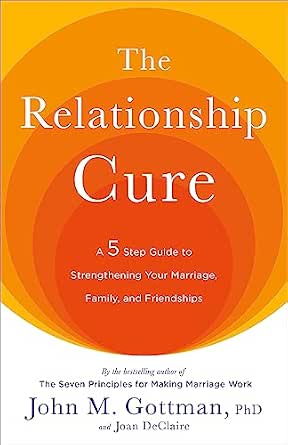 | Best for a Step-by-Step, All-Purpose Guide | Format: Book | Subtitle: A 5-Step Guide to Strengthening Your Marriage, Family, and Friendships | Framework: Five-step approach | VIEW LATEST PRICE | See Our Full Breakdown |
| The Mastery of Love: A Practical Guide to the Art of Relationship |  | Best for a Reflective, Wisdom-Based Approach | Format: Book | Title focus: The art of relationship | Approach: Practical guide | VIEW LATEST PRICE | See Our Full Breakdown |
| Love More, Fight Less: Communication Skills Every Couple Needs: A Relationship Workbook for Couples | 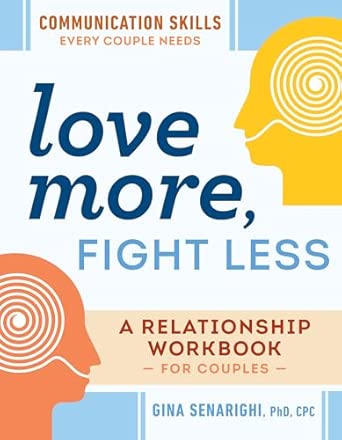 | Best for Couples Who Want Guided Practice | Format: Relationship workbook | Intended audience: Couples | Primary topic: Communication skills | VIEW LATEST PRICE | See Our Full Breakdown |
| What Can I Do?: Relationship Repair Guide |  | Best for Readers Exploring Relationship Repair | Format: Guide | Title: What Can I Do?: Relationship Repair Guide | Stated topic: Relationship repair | VIEW LATEST PRICE | See Our Full Breakdown |
| How to Stop Being Toxic and Build Healthy Relationships |  | Best for Personal Accountability | Format: Not specified | Primary focus: Self-awareness and personal growth | Relationship focus: Building healthier relationships | VIEW LATEST PRICE | See Our Full Breakdown |
| How to Listen, Hear, and Validate: Break Through Invisible Barriers and Transform Your Relationships | 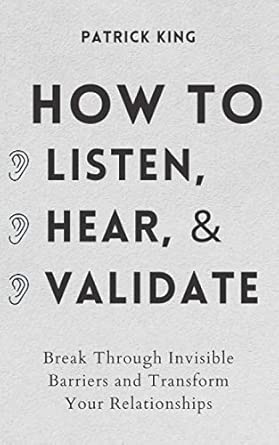 | Best for Listening and Validation | Format: Not specified | Primary focus: Listening, hearing, and validation | Relationship focus: Building stronger connections | VIEW LATEST PRICE | See Our Full Breakdown |
| Attached: The New Science of Adult Attachment and How It Can Help You Find—and Keep—Love |  | Best for Understanding Attachment Patterns | Format: Book | Primary topic: Adult attachment | Relationship focus: Romantic relationships | VIEW LATEST PRICE | See Our Full Breakdown |
| relationship self help book | Format | Primary focus |
|---|---|---|
| Why Men Love Bitches: From Doo | Book | Self-respect and independence in romantic relationships |
| The Seven Principles for Makin | Book | Strengthening and sustaining marriage |
| How to Be an Adult in Relation | Book | Mindful loving in relationships |
| Communicate Your Feelings With | Book | Communicating feelings with a partner |
| Things No One Taught Us About | Book | Healthy relationships with oneself and others |
| Getting Past You & Me to Build | Book | — |
| The Relationship Cure: A 5-Ste | Book | Communication and emotional connection |
| The Mastery of Love: A Practic | Book | — |
| Love More | Relationship workbook | — |
| What Can I Do?: Relationship R | Guide | — |
| How to Stop Being Toxic and Bu | Not specified | Self-awareness and personal growth |
| How to Listen | Not specified | Listening, hearing, and validation |
| Attached: The New Science of A | Book | — |
More Details on Our Top Picks
Why Men Love Bitches: From Doormat to Dreamgirl—A Woman’s Guide to Holding Her Own in a Relationship
Why Men Love Bitches is the most explicitly focused choice here for women who want to keep their independence and self-respect while dating. Its central angle, moving from people-pleasing toward holding your own, sets it apart from The Seven Principles for Making Marriage Work, which centers on skills for strengthening an established partnership. That focus may suit readers who want a direct perspective on boundaries and relationship identity, rather than a couple-oriented program. The available description, though, does not outline exercises, research support, or chapter structure, so I would not choose it for a detailed communication curriculum. Its title and framing also signal a gender-specific approach that may not resonate with every reader. Compared with How to Be an Adult in Relationships, this is the narrower pick: more focused on independence in romance, less clearly grounded in a broad model of mindful relating.
Pros:- Keeps self-respect and independence at the center of its relationship advice.
- Addresses people-pleasing and losing one’s sense of self in romance.
- Has a clearly defined audience and focus rather than covering every relationship topic.
Cons:- The supplied product information does not identify specific exercises, examples, or methods.
- Its women-focused framing may not suit all readers.
- The description does not establish the depth of its research or practical guidance.
Best for: Women who tend to over-accommodate in dating and want a relationship guide centered on maintaining independence and self-respect.
Not ideal for: Couples seeking structured exercises, a research-led marriage guide, or readers who prefer gender-neutral relationship advice.
- Format:Book
- Primary focus:Self-respect and independence in romantic relationships
- Intended audience:Women
- Relationship context:Romantic relationships
- Stated guidance:Holding one’s own in a relationship
- ISBN-10 / ASIN:1580627560
Our verdict“Choose this for a women-focused perspective on preserving independence in romance, not for a structured couples program.”
The Seven Principles for Making Marriage Work: A Practical Guide from the Country’s Foremost Relationship Expert
The Seven Principles for Making Marriage Work earns the strongest fit for couples who want a clear, actionable framework for improving a marriage. Its seven principles, research-informed approach, and practical exercises give partners more to work through together than the supplied descriptions establish for Communicate Your Feelings Without Starting a Fight, which has a narrower focus on phrasing difficult conversations. Real-world examples can help translate relationship ideas into changes couples can try, rather than leaving them with broad encouragement alone. The tradeoff is its marriage-centered scope: readers seeking help with dating, individual healing, or relationships beyond marriage may find a less direct match. Its step-by-step structure may also feel repetitive to people already familiar with relationship advice. For a focused, couple-oriented guide, however, it offers the clearest described method in this group.
Pros:- Organizes advice into seven clear principles that couples can apply.
- Combines research findings with clinical experience, according to the supplied description.
- Includes practical exercises and real-world examples.
- Addresses communication and connection within marriage.
Cons:- The marriage focus may be less relevant to dating partners or individual readers.
- Readers familiar with relationship literature may find some material repetitive.
Best for: Married couples who want research-informed principles, shared exercises, and concrete ways to strengthen communication and connection.
Not ideal for: Readers focused on dating, individual self-development, or relationship advice outside a marriage-centered framework.
- Format:Book
- Primary focus:Strengthening and sustaining marriage
- Framework:Seven core principles
- Approach:Research findings and clinical experience
- Practical elements:Exercises and real-world examples
- Key skills:Communication and connection
- ISBN-10 / ASIN:0553447718
Our verdict“Pick this if you and your spouse want a structured, exercise-based guide to strengthening your marriage.”
How to Be an Adult in Relationships: The Five Keys to Mindful Loving
How to Be an Adult in Relationships stands apart through its emphasis on mindful loving and the five keys named in its title. That makes it a promising choice for readers interested in their own patterns and the quality of their connection, rather than a narrowly defined script for a single argument. Compared with Why Men Love Bitches, which is framed around women’s independence in romance, this title points toward a broader approach to how a person shows up in relationships. The supplied information does not describe the five keys, exercises, or intended audience in more detail, so I cannot judge how step-by-step the guidance is. Readers who need a concrete marriage curriculum may be better served by The Seven Principles for Making Marriage Work, whose exercises and examples are specified. This is the more reflective, less documented choice in the lineup.
Pros:- Centers mindful loving rather than a single relationship problem.
- Signals a defined five-key framework.
- Offers a personal-growth angle distinct from the lineup’s marriage-focused guide.
Cons:- The supplied product data does not explain what the five keys are.
- No exercises, examples, or specific methods are described.
- The information provided is too limited to establish its practical depth or intended relationship context.
Best for: Readers who want to reflect on their own relationship patterns through a mindful, personal-growth lens.
Not ideal for: Couples who need a clearly described set of shared exercises or a marriage-specific action plan.
- Format:Book
- Primary focus:Mindful loving in relationships
- Framework:Five keys
- Approach indicated by title:Mindfulness and adult relationship skills
- Relationship context:Relationships
- ISBN-10 / ASIN:1611809541
Our verdict“Choose this if mindful reflection is your priority, but favor a more fully described guide if you need concrete exercises.”
Communicate Your Feelings Without Starting a Fight: What to Say and What Not to Say to Your Partner
Communicate Your Feelings Without Starting a Fight is the most tightly focused option for readers who want help raising concerns with a partner without escalating the exchange. Its emphasis on what to say and what to avoid gives it a practical, conversation-level angle that differs from The Seven Principles for Making Marriage Work, which addresses a wider set of marriage skills through a seven-principle framework and exercises. This narrower scope can be useful when a specific communication habit is the main concern, but it may leave broader issues—such as rebuilding connection or understanding recurring patterns—outside its lane. The product information does not provide sample scripts, exercises, or a chapter outline, so buyers cannot gauge how detailed the advice is from the supplied description. I would choose it for a focused conversation guide, not as a complete relationship program.
Pros:- Targets communication with a romantic partner directly.
- Focuses on both what to say and what to avoid.
- Has a clear, narrow purpose for readers working on difficult conversations.
Cons:- The supplied description does not include sample scripts or exercises.
- Its narrow communication focus may not address broader relationship patterns.
- The product information does not establish the depth or structure of its advice.
Best for: Partners who want focused guidance on expressing feelings and choosing less inflammatory wording during difficult conversations.
Not ideal for: Readers seeking a research-described, exercise-based program for marriage or help with relationship issues beyond communication.
- Format:Book
- Primary focus:Communicating feelings with a partner
- Relationship context:Romantic partnership
- Guidance style:What to say and what to avoid
- Stated goal:Help prevent arguments during communication
- ASIN:B08M1QXZ5P
Our verdict“Choose this for a focused guide to talking about feelings, rather than a broad relationship or marriage framework.”
Things No One Taught Us About Love: How to Build Healthy Relationships with Yourself and Others
Things No One Taught Us About Love is the broadest personal-growth choice in this set: its stated scope includes self-love, healing, growth, and building lasting connections with oneself and other people. That makes it a different starting point from Communicate Your Feelings Without Starting a Fight, which concentrates on how to talk with a partner, and less specifically marriage-focused than The Seven Principles for Making Marriage Work. The wider reach may appeal to readers who see relationship health as connected to their relationship with themselves, not just couple communication. The tradeoff is limited detail: no chapter outline or specific methods are supplied, making it hard to judge how actionable or structured the advice is. I would shortlist it for broad reflection and personal growth, but choose a more clearly described title if you want a defined plan or exercises.
Pros:- Connects self-love and healing with relationships with others.
- Addresses personal growth as part of building healthier connections.
- Covers a wider scope than a guide limited to couple communication.
Cons:- No chapter overview or specific methods are provided in the supplied data.
- The description does not establish whether the advice includes exercises or a structured plan.
- Its broad scope may be less targeted for readers facing one specific relationship problem.
Best for: Readers seeking a broad personal-growth guide that connects self-love and healing with healthier relationships with other people.
Not ideal for: Couples who want a detailed marriage framework, specified exercises, or step-by-step communication techniques.
- Format:Book
- Primary focus:Healthy relationships with oneself and others
- Related themes:Self-love, healing, and personal growth
- Stated goal:Building lasting connections
- Chapter details:Not provided
- ASIN:B0DHV398ZK
Our verdict“Pick this for broad reflection on self-love and connection, but choose a more structured title for targeted couple skills.”
Getting Past You & Me to Build a More Loving Relationship
This pick centers on moving beyond individual differences to build a more loving connection, with communication and understanding as its practical focus. That makes it a closer fit for couples seeking shared relationship work than The Mastery of Love, which draws on Toltec wisdom, or The Relationship Cure, whose guidance also covers family and friendships. Its appeal is a direct focus on the couple’s connection rather than a broad range of relationship types.
The tradeoff is limited detail about its format, exercises, or specific methods, so readers who want a clearly mapped program may prefer The Relationship Cure’s stated five-step structure. The description also positions it mainly for couples, making it less suited to someone looking for an individual guide to dating or personal relationship patterns. I’d choose it when the goal is to improve communication together, not when a detailed workbook or a clearly specified step-by-step curriculum is the priority.
Pros:- Focuses on communication as a way to build greater understanding between partners
- Addresses the challenge of moving past individual differences
- Frames relationship work around creating a deeper, more loving connection
Cons:- The available description does not specify exercises, chapter structure, or a defined method
- Its couple-centered focus may not fit readers seeking individual relationship guidance
Best for: Couples who want practical guidance for understanding differences and communicating more constructively together
Not ideal for: Readers seeking individual dating advice, a detailed workbook, or a clearly documented step-by-step program
- Format:Book
- Topic:Building a more loving relationship
- Primary audience:Couples
- Focus:Moving beyond individual differences
- Communication focus:Improving communication and understanding
- Approach:Practical relationship advice
Our verdict“Choose this if you and your partner want a relationship-focused guide to better communication, but prefer a more structured workbook if you need activities laid out clearly.”
The Relationship Cure: A 5-Step Guide to Strengthening Your Marriage, Family, and Friendships
The five-step structure gives this book the clearest stated roadmap in this group, while its scope reaches beyond romantic partners to family and friendships. That makes it more versatile than Getting Past You & Me to Build a More Loving Relationship, which is aimed more directly at couples, and a better fit for readers trying to improve several close relationships at once. The focus on practical communication and emotional connection gives its broad scope a usable center.
The tradeoff is that a guide designed for marriage, family, and friends may feel less tailored to a couple’s specific conflict patterns than Love More, Fight Less, which is presented as a couples’ communication workbook. The available description also suggests that experienced readers seeking advanced or highly specialized material may want more depth. I’d rank it for people who value an approachable process they can apply across relationships, rather than a narrowly focused or exercise-led couples’ resource.
Pros:- Offers an easy-to-follow five-step framework
- Applies to marriage, family relationships, and friendships
- Emphasizes practical communication and emotional connection
Cons:- Its broad audience may mean less focus on the details of couple-specific conflicts
- Readers seeking advanced or highly specialized guidance may find the approach too basic
Best for: Readers who want a clear, practical framework they can apply to communication with a partner, relatives, and friends
Not ideal for: Advanced readers seeking specialized couples therapy concepts or a workbook centered on partner disagreements
- Format:Book
- Subtitle:A 5-Step Guide to Strengthening Your Marriage, Family, and Friendships
- Framework:Five-step approach
- Relationship scope:Marriage, family, and friendships
- Primary focus:Communication and emotional connection
- Approach:Practical, step-by-step strategies
Our verdict“Pick this for a structured guide that spans several kinds of close relationships, and choose a couples’ workbook instead if partner conflict is your sole focus.”
The Mastery of Love: A Practical Guide to the Art of Relationship
Toltec wisdom sets this guide apart from the more skills-forward choices in this batch. The description presents it as a practical guide to building healthier, more loving relationships, but its stated foundation gives it a reflective angle rather than the explicit five-step roadmap of The Relationship Cure or the disagreement-focused workbook format of Love More, Fight Less. I’d place it here for readers drawn to a broader philosophy of how to relate, not just scripts or structured exercises.
The main tradeoff is that the available product information gives few details about its methods, intended audience, or activities. That makes it harder to judge how directly it addresses a specific problem such as recurring arguments or communication breakdowns. Readers who want a defined process may find The Relationship Cure easier to follow, while couples seeking guided practice may prefer Love More, Fight Less. This book is the better match for someone open to a wisdom-based perspective and less concerned with a clearly described workbook structure.
Pros:- Offers a distinct Toltec-wisdom perspective
- Aims to help readers build healthier, more loving relationships
- Presents itself as a practical guide rather than only a theoretical discussion
Cons:- Available details do not explain its specific exercises or methods
- The description does not identify a particular audience or relationship challenge
- Readers seeking a clearly mapped program may prefer The Relationship Cure
Best for: Readers interested in a reflective, Toltec-wisdom-based perspective on building healthier and more loving relationships
Not ideal for: Couples who want clearly described communication exercises, conflict tools, or a step-by-step program
- Format:Book
- Title focus:The art of relationship
- Approach:Practical guide
- Stated foundation:Toltec wisdom
- Subject:Building healthier relationships
- ISBN:1878424424
Our verdict“Choose this if you want a reflective guide grounded in Toltec wisdom, but opt for a structured workbook if you need concrete exercises for a specific conflict.”
Love More, Fight Less: Communication Skills Every Couple Needs: A Relationship Workbook for Couples
The workbook format makes this the most explicitly practice-oriented choice here: its stated goal is to help couples improve communication and handle disagreements. That gives it a narrower, more hands-on role than The Relationship Cure, which covers family and friendships as well as marriage, and a more direct focus on conflict than Getting Past You & Me to Build a More Loving Relationship. The title and description make its intended audience unusually clear: partners who want to work on how they communicate during tension.
The tradeoff is that its couples-only focus may not help readers working on friendships, family dynamics, or individual dating patterns. The available details also do not specify the workbook’s exercises or how it guides partners through a disagreement, so buyers cannot tell how much structure it provides. I’d choose it over broader relationship guides when recurring couple arguments are the main concern, but not as an all-purpose resource for every relationship in a reader’s life.
Pros:- Designed specifically as a relationship workbook for couples
- Targets communication skills and disagreements directly
- Keeps its focus on strengthening a romantic partnership
Cons:- Its couple-specific scope is narrower than The Relationship Cure
- Available details do not describe the workbook exercises or their level of guidance
Best for: Couples who want a workbook aimed at communication skills and working through disagreements together
Not ideal for: Readers looking for advice across friendships and family relationships, or for individual guidance outside a partnership
- Format:Relationship workbook
- Intended audience:Couples
- Primary topic:Communication skills
- Conflict focus:Navigating disagreements
- Stated goal:Building a stronger partnership
- ISBN:0593196651
Our verdict“Pick this when you and your partner want a workbook centered on communication and disagreements, but choose a broader guide for help across several relationships.”
What Can I Do?: Relationship Repair Guide
Relationship repair is the only clear promise available for this guide, so it has a narrower stated purpose than The Relationship Cure, which describes a five-step process across marriage, family, and friendships. That repair-focused framing may appeal to readers who know they want to address damage or strain in a relationship, rather than start with general communication advice. Compared with Love More, Fight Less, though, this title does not specify that it is a couples’ workbook or identify particular communication skills.
The lack of further product detail is a real limitation: the description does not say who the guide is for, what kind of repair it covers, or what steps readers will follow. I would not choose it over a book with a clearly stated framework if I needed defined exercises or guidance for a specific conflict. Its place in this roundup is for the reader whose main interest is repair itself and who is comfortable with uncertainty about the format and method.
Pros:- Clearly identifies relationship repair as its subject
- Offers a distinct repair-focused angle compared with broader communication guides
- May suit readers who are looking for a guide organized around relationship restoration
Cons:- Available information gives no detail about its method or specific guidance
- The intended audience and relationship type are not stated
- Readers wanting a defined process may prefer The Relationship Cure
Best for: Readers specifically seeking a guide framed around repairing a strained relationship and willing to verify its approach before choosing
Not ideal for: Buyers who need a clearly described framework, couples exercises, or details about the guide’s intended relationship type
- Format:Guide
- Title:What Can I Do?: Relationship Repair Guide
- Stated topic:Relationship repair
- Method:Not specified in the available product description
- Intended audience:Not specified in the available product description
- ASIN:B0H5T4BJ45
Our verdict“Consider this only if relationship repair is your specific focus and the limited product information leaves you comfortable checking its fit before buying.”
How to Stop Being Toxic and Build Healthy Relationships
This pick centers the work on the reader’s own habits: building self-awareness, stopping harmful behaviors, and developing healthier ways to relate. That makes it a different starting point from How to Listen, Hear, and Validate, which focuses more narrowly on communication, and Attached, which frames romantic patterns through attachment science. Its stated emphasis on practical personal growth, confidence, and inner peace may appeal to readers who want to take responsibility for their part in recurring relationship problems. The tradeoff is that the available description gives little detail about its exercises, methods, or scope, so I can’t tell how specific its advice is or whether it suits a particular kind of relationship. Choose it for a broad self-change focus, not a clearly documented, specialized framework.
Pros:- Puts self-awareness and personal responsibility at the center
- Focuses on replacing harmful behaviors with healthier relationship habits
- Connects relationship growth with confidence and inner peace
Cons:- The available description does not explain its methods or provide examples of exercises
- Its broad focus may offer less direction than a specialized communication or attachment guide
Best for: Readers who recognize recurring harmful habits in their relationships and want a general self-reflection and personal-growth guide.
Not ideal for: Readers seeking a clearly outlined step-by-step program, detailed exercises, or a focused guide to marriage, couple communication, or attachment patterns.
- Format:Not specified
- Primary focus:Self-awareness and personal growth
- Relationship focus:Building healthier relationships
- Behavior focus:Stopping harmful behaviors
- Additional stated aims:Confidence and inner peace
- Methods or exercises:Not specified
Our verdict“Choose this if your priority is examining and changing your own relationship habits, rather than following a clearly specified communication or attachment framework.”
How to Listen, Hear, and Validate: Break Through Invisible Barriers and Transform Your Relationships
This book makes communication its central subject: listening, hearing what another person means, and validating their perspective. That specific focus can help readers who feel conversations stall because one or both people feel ignored or misunderstood. Compared with Communicate Your Feelings Without Starting a Fight, which centers on expressing your own feelings, this title points toward the receiving side of a conversation. It also differs from Attached, which explains romantic patterns through attachment rather than making listening its main focus. The description promises help with invisible barriers and stronger connections, but it does not identify particular techniques, exercises, or the kinds of relationships covered. I’d choose it for a communication-focused read, while readers wanting a clearly described workbook or a broader relationship framework may prefer another option.
Pros:- Gives listening and validation a clear, focused role
- Targets feeling unheard or misunderstood in conversations
- Aims to strengthen connections across relationships
Cons:- The available description does not specify its communication techniques or practice exercises
- Its emphasis on listening may not address readers’ main need to express their own feelings or repair broader relationship patterns
Best for: Readers who want to improve how they listen and respond when a partner, friend, or family member shares something difficult.
Not ideal for: Readers looking for a structured couples workbook, a detailed account of specific exercises, or a guide centered on understanding attachment patterns.
- Format:Not specified
- Primary focus:Listening, hearing, and validation
- Relationship focus:Building stronger connections
- Stated aim:Breaking through invisible barriers
- Communication emphasis:Listening and validating others
- Methods or exercises:Not specified
Our verdict“Pick this for a focused look at listening and validation, but choose a more clearly outlined guide if you need a defined practice plan.”
Attached: The New Science of Adult Attachment and How It Can Help You Find—and Keep—Love
Attached is the most specifically framed choice here: it connects adult attachment science with finding and maintaining romantic love. That gives readers a lens for thinking about patterns in romantic relationships, rather than the broad self-change emphasis of How to Stop Being Toxic and Build Healthy Relationships or the conversation-level focus of How to Listen, Hear, and Validate. Its subject makes it a strong fit for someone who wants to understand how attachment patterns may affect love, but it is not presented as a general guide to family, friendship, or every form of relationship repair. The supplied description also does not name its exercises or explain how much practical instruction it includes. I’d choose it for an attachment-focused perspective on romance, not as a substitute for a hands-on communication workbook.
Pros:- Focuses specifically on adult attachment
- Connects attachment science with romantic relationships
- Addresses both finding and maintaining love
Cons:- Its stated focus is romantic love rather than relationships across all areas of life
- The available description does not specify exercises or practical methods
Best for: Readers who want to explore adult attachment patterns and how they may shape romantic relationships.
Not ideal for: Readers seeking a broad guide to friendships and family relationships, or a clearly described workbook with communication exercises.
- Format:Book
- Primary topic:Adult attachment
- Relationship focus:Romantic relationships
- Stated application:Finding and maintaining love
- Scientific framing:Adult attachment science
- Methods or exercises:Not specified
Our verdict“Choose this if attachment patterns are your main question about romantic love; look elsewhere for a wider relationship guide or a defined communication workbook.”

How We Picked
I compared these relationship self-help books by the kind of reader problem they address, how clearly their approach is signaled, and whether the format suggests reflection, practical guidance, or workbook-style practice. I also considered scope: a marriage-focused guide has a different job from a book about attachment, listening, or personal patterns. Those differences matter because a useful book should match the issue a reader wants to address, not simply cover relationships in general.
The ranking gives the highest placement to books with a clear audience and a useful balance of relevance and accessibility across common relationship needs. Focused titles rank well for readers with a specific concern, but they sit below broader picks when their scope is narrower. I treat the rankings as a guide to fit, not a claim that one approach works for every couple or individual; a book is not a substitute for professional support when safety, abuse, or serious mental health concerns are involved.
| relationship self help book | Format |
|---|---|
| Why Men Love Bitches: From Doo | Book |
| The Seven Principles for Makin | Book |
| How to Be an Adult in Relation | Book |
| Communicate Your Feelings With | Book |
| Things No One Taught Us About | Book |
| Getting Past You & Me to Build | Book |
| The Relationship Cure: A 5-Ste | Book |
| The Mastery of Love: A Practic | Book |
| Love More | Relationship workbook |
| What Can I Do?: Relationship R | Guide |
| How to Stop Being Toxic and Bu | Not specified |
| How to Listen | Not specified |
| Attached: The New Science of A | Book |
Factors to Consider When Choosing Relationship Self Help Books
Before choosing, name the change you want from the book. A title about communication may help with tense conversations, but it may not answer questions about attachment, trust, or relationship repair. These factors can help you choose a book that fits your situation and the way you prefer to learn.
Start With the Problem, Not the Broadest Promise
Write down the situation you want help with in one sentence, such as recurring arguments, difficulty listening, or understanding your own relationship patterns. Then check whether the book’s stated focus matches that issue. A broad relationship title can be appealing, but broad coverage may leave less room for detailed advice on one problem. A focused book can give you a clearer starting point, though you may need another resource for related concerns. Avoid buying several books that all promise better communication if what you need is help deciding whether the relationship itself is healthy. Matching the subject to your immediate question makes the choice more useful.
Choose Between Explanation and Practice
Some readers want concepts that help explain why a pattern keeps repeating; others want prompts, exercises, or language to use in the next conversation. These are different learning needs, and a book can be strong at one while offering less of the other. If you mainly want to understand yourself, prioritize reflection and clear explanations. If you and a partner are ready to work together, a practical guide or workbook may make it easier to turn ideas into shared activities. A common mistake is choosing an exercise-heavy book when one partner is unwilling to participate. In that case, a book for individual reflection may be a more realistic first step.
Check Whether the Advice Fits Your Relationship Stage
Marriage guides often assume a committed couple working on an established relationship, while dating-oriented or attachment-focused books may speak more directly to people looking at relationship patterns across time. Family and friendship concerns call for a wider scope than a couple-focused title. Before choosing, ask whether the examples and intended audience resemble your situation. Advice can feel less applicable when the book assumes a type of commitment, conflict, or shared goal you do not have. For partners at different stages, a book that explains its framework clearly may be easier to discuss than one built around a narrow set of exercises. Fit matters more than trying to make a book cover every relationship in your life.
Consider Whether You’ll Read Alone or Together
A book meant for couples can be more useful when both partners are willing to read, talk, and try the suggested work. If you expect to read alone, look for material that does not depend on a partner completing exercises. Reading together can create a shared vocabulary, but it can also turn into a source of pressure if one person feels assigned homework or blamed. Agree on a small goal, such as discussing one chapter, before treating the book as a joint project. If your partner is not ready, focus on insights and changes you can make yourself rather than expecting a book to change someone else. This distinction helps avoid confusing personal reading with mutual commitment.
Match the Format to Your Available Attention
Relationship work can be emotionally demanding, so the most helpful format is one you can use consistently. A direct, topic-specific book may suit readers who want to address one issue without following a long program. A workbook may suit readers who prefer active prompts, provided they have time and willingness to complete them. Reflective books ask for patience and may be less satisfying when you want an immediate script for a difficult conversation. Think about whether you learn best by reading, writing, or talking through ideas. Choosing a format that fits your habits is more practical than buying a book because its subject sounds relevant.
Set Realistic Expectations for What a Book Can Do
A self-help book can offer language, perspectives, and exercises, but it cannot guarantee that another person will change or that a relationship will improve. Treat advice as material to evaluate against your circumstances rather than rules to follow blindly. If a book makes you feel responsible for fixing every problem, pause and look for a perspective that recognizes both people’s roles and boundaries. For persistent distress, coercion, or safety concerns, a book alone may not provide the support you need. Paying more attention to scope and credibility than to sweeping promises can prevent a poor fit. The best choice is a useful resource, not a substitute for judgment or professional care.
Frequently Asked Questions
Should I choose a book for couples if my partner does not want to read it?
Not necessarily. A couples workbook can depend on both people taking part, so it may frustrate you if your partner is not willing to do the exercises. A book focused on personal patterns, listening, or individual reflection can still give you ideas to apply in your own communication. You can invite your partner to discuss a short passage without making participation a condition of progress. Avoid treating a book as a way to diagnose or persuade someone who has declined to read it. If the problem involves safety or coercion, seek appropriate support rather than relying on a shared reading plan.
Which kind of book should I choose if we keep having the same argument?
First decide whether the recurring argument is mainly about how you talk or about a deeper issue that remains unresolved. A communication-focused title may help if conversations escalate or each person struggles to express a need. A broader relationship guide may fit better when the same disagreement reflects an ongoing pattern, such as trust or unmet expectations. Look for a book that gives you a way to identify the pattern, not just a list of phrases to use. If arguments become threatening or either person feels unsafe, prioritize outside help and safety over self-guided exercises.
Is an attachment-focused book a good choice if I am single?
It can be, especially if you want to understand patterns that show up across dating relationships or reflect on how you respond to closeness. You do not need to be in a couple to think about your own expectations and habits. Still, an attachment-focused book may not provide the practical guidance you want for a specific situation, such as starting a difficult conversation. If you want direct exercises or advice for a particular relationship stage, check the book’s scope before choosing. Treat any framework as a prompt for reflection rather than a fixed label for yourself or someone else.
Can one book cover communication, marriage, and personal growth equally well?
Usually, a book that tries to address every relationship concern will have to trade depth in one area for breadth across many. The titles in this roundup take distinct approaches: some focus on marriage, others on communication, and others on personal patterns or broader relationships. Choose the issue that is most pressing now, then use another resource later if your needs change. Buying multiple books at once can leave you with overlapping advice and little time to apply it. A clear first goal will help you judge whether a broader guide or a focused one is the better starting point.
When should I seek professional help instead of relying on a self-help book?
A book may be a useful supplement, but it is not the right sole support when there is abuse, coercion, fear, or an immediate safety concern. Professional help may also be useful when distress is persistent, communication attempts repeatedly fail, or either partner feels overwhelmed. Self-help material cannot assess your circumstances or provide tailored care. You can still read a book for language or reflection, but do not let it delay support that addresses the situation directly. Choose a qualified professional or local support service suited to your needs.
Conclusion
My best overall pick is Attached for readers who want a framework for understanding recurring relationship patterns, while The Seven Principles for Making Marriage Work is the stronger match for married couples seeking structured guidance. For a practical, communication-centered option, consider Love More, Fight Less or Communicate Your Feelings Without Starting a Fight; readers who prefer a broader introduction to mindful relationship habits may gravitate toward How to Be an Adult in Relationships. I would call the clearest value a focused book that directly matches your current problem, rather than assume one title is right for everyone. Beginners should start with a clearly scoped book and one manageable goal, while readers with a specific listening, repair, or personal-growth need should choose the title aimed at that issue. Pick the book that fits your situation and reading style, then treat its advice as a starting point—not a promise that a relationship will change on its own.
Halloween Picks
halloween
As an affiliate, we earn on qualifying purchases.