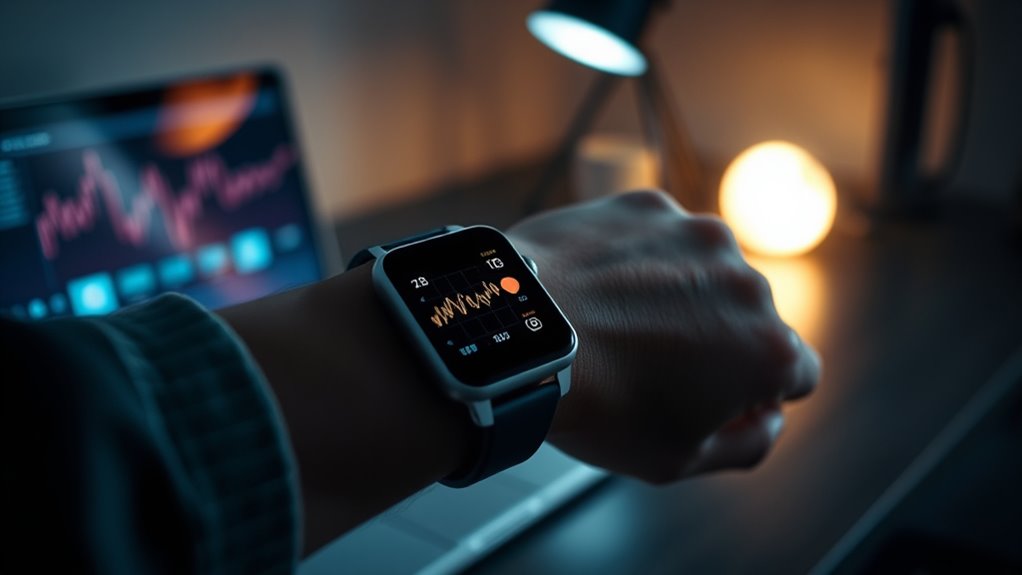

Wearables can detect physiological signs of stress, like increased heart rate or sweating, which might suggest someone is under pressure, possibly from cheating. However, these signals aren’t definitive proof of deception because stress can result from many other factors like anxiety or physical discomfort. Context matters a lot, and interpreting biometric data isn’t straightforward. If you’re curious about the complexities behind these signals and what they really reveal, keep exploring the details.
Key Takeaways
- Wearables can detect physiological stress but cannot definitively confirm cheating or lying.
- Elevated biometric signals may result from stress, anxiety, or other non-deceptive factors.
- Physiological responses are complex and influenced by emotional, physical, and situational variables.
- Wearables provide suggestive data but require context and additional evidence for accurate interpretation.
- Relying solely on biometric stress indicators to identify cheating is unreliable and prone to false positives.
Have you ever trusted your biometric data to keep you safe? It’s tempting to believe that wearables, which monitor your heart rate, skin conductance, and other physiological indicators, can reveal your true emotional state. These devices are designed to track real-time data, offering insights into your physiological responses to various stimuli. But can they genuinely detect deception or the stress of cheating? The truth is, while biometric data can reflect emotional responses, interpreting these signals isn’t straightforward. Your body’s reactions to stress—like increased heart rate or sweaty palms—are common physiological indicators, but they aren’t exclusive to dishonesty. Anxiety, excitement, or even physical exertion can produce similar biometric patterns, which complicates efforts to distinguish between genuine emotional states and deception.
When you experience stress, your body automatically responds by activating the sympathetic nervous system. This triggers measurable physiological indicators such as elevated heart rate, rapid breathing, or sweating. Wearables pick up these signals and often present them as signs of emotional responses—whether you’re lying, nervous, or simply under pressure. But these responses aren’t specific. For example, if you’re lying about something important, your biometric data might spike, but the same pattern could occur if you’re anxious about a presentation or excited about a surprise. This ambiguity makes it difficult to rely solely on biometric indicators to determine truthfulness. It’s important to remember that emotional responses are complex and can be influenced by numerous factors beyond deception.
Moreover, the context in which biometric data is collected plays a *vital* role. If you’re stressed because of personal issues or physical discomfort, wearables might register elevated physiological indicators, but that doesn’t mean you’re lying. People often underestimate how much their emotional state can influence biometric readings, leading to false positives. This is especially problematic if such data is used in high-stakes situations, like security screenings or lie detection tests, where accuracy is *essential*. Wearables can provide valuable insights into your emotional responses, but they are not infallible. They can suggest heightened physiological activity, but interpreting whether that activity stems from deception or genuine emotion is far more complicated. Understanding biometric data in context is crucial for accurate interpretation.
In the end, understanding your biometric data requires context, awareness of your emotional responses, and acknowledgment of the limitations inherent in physiological indicators. While wearables can offer clues about your stress levels or emotional state, they shouldn’t be viewed as definitive proof of lying. Instead, they serve as tools that, when combined with other information, can help paint a more *detailed* picture of your true feelings. Relying solely on biometric data to reveal the stress of cheating oversimplifies the intricate connection between emotion, physiology, and behavior.
Top picks for "biometric lies wearabl"
Open Amazon search results for this keyword.
As an affiliate, we earn on qualifying purchases.
Frequently Asked Questions
Can Wearables Distinguish Between Stress Caused by Lying and Other Factors?
Yes, wearables can distinguish between stress caused by lying and other factors by analyzing emotional responses and physiological indicators. When you lie, your body often shows specific signs like increased heart rate or skin conductance. Wearables monitor these changes, but they can’t always pinpoint the cause, as other factors like anxiety or physical activity can produce similar responses. So, while they provide clues, they don’t offer definitive proof of deception.
Are There Ethical Concerns About Using Wearables to Detect Dishonesty?
Yes, using wearables to detect dishonesty raises ethical concerns. You might worry about privacy concerns, as personal biometric data could be misused or improperly stored. Consent issues also come into play, since individuals may not fully understand or agree to monitoring their stress levels. It is crucial to guarantee transparent policies, obtain informed consent, and respect privacy rights before deploying such technology to prevent ethical violations.
How Accurate Are Biometric Devices at Identifying Deception in Real Time?
Biometric devices aren’t highly accurate at detecting deception in real time, mainly due to physiological variability and technological limitations. You might see some stress responses, but they can be caused by factors like anxiety or physical activity, not lying. These devices often struggle to distinguish genuine deception from normal physiological changes. So, while they offer insights, don’t rely on them solely to determine if someone’s being truthful.
What Privacy Risks Are Associated With Biometric Lie Detection Technologies?
You face significant privacy risks with biometric lie detection, especially around data security and consent validity. If your biometric data isn’t safeguarded, malicious actors could access sensitive information. Plus, if consent isn’t clear or voluntary, it raises ethical concerns. You should guarantee that any use of these technologies complies with privacy laws, maintains strict data security, and involves genuine, informed consent to minimize potential misuse or breaches.
Could Stress From Other Sources Trigger False Positives in Lie Detection?
Ever wonder if stress from other sources could cause false positives in lie detection? It definitely can. Emotional interference from things like anxiety or excitement may trigger physiological responses that the system misinterprets as deceit. So, yes, stress unrelated to lying can lead to false positives, making it harder to accurately detect dishonesty. Always consider the potential for emotional interference when evaluating biometric lie detection results.
Conclusion
Imagine catching a cheater not with evidence, but with a simple heartbeat. Just like a detective spots a lie by noticing trembling hands, wearables can reveal hidden stress signals during cheating. Studies show that even calm-looking faces can hide racing hearts. So, next time you’re tempted to bend the rules, remember that your own body might betray you—like an open book. Biometric tech isn’t perfect, but it’s getting better at exposing the truth beneath the surface.