
Cheaters hide with phone cloning and spy apps by disguising and controlling device activity, making detection tricky. Cloning duplicates your phone’s identity, while spy apps secretly log calls, messages, and browsing data, transmitting it to outsiders. To catch them, you should watch for signs like sudden battery drain, unusual app permissions, or strange network activity. Staying cautious and seeking digital forensics help can uncover hidden threats—if you want to learn more about how these tactics work and are uncovered, keep exploring.
Key Takeaways
- Cheaters may use spy apps to monitor partners secretly, while phone cloning can mask their identities or location.
- Detect hidden apps by reviewing permissions, app lists, and monitoring unusual device behavior or battery drain.
- Digital forensics can uncover signs of cloning or spy app installation through system and network log analysis.
- Regularly update software, use strong passwords, and enable two-factor authentication to prevent unauthorized access.
- Professional forensic investigation helps identify covert monitoring and confirms whether devices have been cloned or compromised.
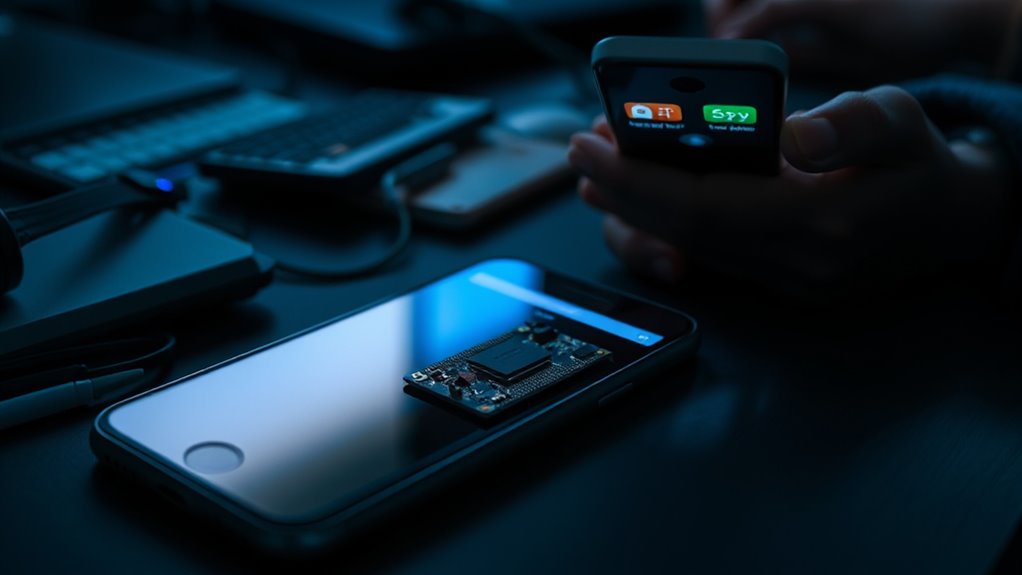
In today’s digital world, phone cloning and spy apps pose serious security threats that you can’t afford to ignore. These tactics are increasingly used by those seeking to hide their actions or gain unauthorized access to sensitive information. Understanding how they work and how to detect them is essential to protecting your privacy. When someone clones your phone or installs a spy app, they can intercept calls, read messages, monitor your location, and access personal data without your knowledge. This is where digital forensics becomes indispensable. Digital forensics involves analyzing your device to uncover evidence of tampering or unauthorized access. Skilled investigators can identify signs of cloning or spy app activity, revealing privacy breaches that might otherwise go unnoticed.
Phone cloning and spy apps threaten your privacy; digital forensics is vital for detecting and defending against these covert threats.
Spy apps are designed to operate stealthily, often hiding their presence on your device. They can be installed remotely or physically, and once active, they transmit data to a third party. These apps can log everything from text messages and call logs to browsing history and even keystrokes. Because they operate covertly, detecting them requires a keen eye and technical knowledge. Regularly reviewing your device’s app list, permissions, and battery usage can help spot suspicious activity. If you notice strange behaviors—like rapid battery drain or unexplained data spikes—it’s a sign to dig deeper. Using security software designed to detect spy apps can also be effective.
Phone cloning is a more sophisticated form of privacy breach. It involves copying the identity of your phone onto another device, effectively creating a duplicate that can be used to access your accounts and communications. Criminals often use cloning for identity theft or to monitor someone covertly. This process can be difficult to detect without specialized tools, which is where digital forensics plays an indispensable role. Forensics experts can analyze network traffic, system logs, and device behavior to spot signs of cloning. They look for anomalies like duplicate IMEI or SIM card activity, which could indicate cloning attempts. Additionally, the rise of cybersecurity vulnerabilities during major outages underscores the importance of staying vigilant against such threats.
To protect yourself, stay vigilant about your device’s security. Regularly update your software, use strong, unique passwords, and enable two-factor authentication whenever possible. Be cautious about granting app permissions and avoid downloading apps from untrusted sources. If you suspect your phone has been cloned or infected with a spy app, seek professional digital forensic assistance. They can conduct a thorough investigation, uncover privacy breaches, and help you take the necessary steps to secure your device and personal data. Remember, staying informed and proactive is your best defense against these digital threats.

Hidden Camera Detector, Anti-Spy Camera Finder, RF Signal & WiFi Scanner, GPS Tracker & Bug Detector, 6 Modes Portable Privacy Protector for Travel, Hotel, Car, Bathroom– Spy Device Detection Pen
【2026 Pro Upgraded Edition】 This hidden camera detector features self-luminous indicators that stay visible in complete darkness (0…
As an affiliate, we earn on qualifying purchases.
As an affiliate, we earn on qualifying purchases.
Frequently Asked Questions
Can Phone Cloning Be Detected Manually or Only Through Software?
You can’t rely solely on manual detection to find phone cloning; it’s usually too subtle. While some signs like unusual activity or battery drain might hint at an issue, software detection is more dependable for identifying cloning or spy apps. Using security apps or consulting experts can help uncover hidden threats. So, for effective detection, combine manual checks with specialized software to ensure your phone’s safety and integrity.
Are Spy Apps Visible on All Types of Smartphones?
Spy apps aren’t visible on all smartphones, but they can sometimes be detected through spy app detection techniques. On Android devices, malicious apps may leave traces, making detection easier with security scans. iPhones, especially when not jailbroken, are harder to compromise or detect spyware. To enhance your smartphone security, regularly update your device, use trusted security apps, and stay vigilant for unusual activity to catch spy apps early.
What Are the Legal Risks of Using Spy Apps?
Using spy apps can lead to serious legal consequences, especially since 81% of countries have strict privacy laws. If you’re caught secretly monitoring someone’s phone, you could face fines or even criminal charges. These apps raise significant privacy concerns, and unauthorized use may violate laws like wiretapping or data protection regulations. Always consider the legal risks before installing spy apps, as misuse can jeopardize your freedom and reputation.
How Can I Prevent My Phone From Being Cloned or Spied On?
To prevent your phone from being cloned or spied on, start by enabling encryption techniques like full-disk encryption and secure passwords. Keep your device physically secure by avoiding public charging stations and suspicious attachments. Regularly update your software to patch vulnerabilities, and install reputable security apps. Be cautious with unknown links or downloads, and consider disabling Bluetooth and Wi-Fi when not in use to reduce risks.
Do Antivirus Apps Effectively Detect Spy or Cloning Tools?
Think of antivirus apps as vigilant guards, but they don’t catch every shadow. They can detect some spy app signatures, yet their effectiveness has limits because sophisticated tools often evade detection. You might notice occasional gaps, so relying solely on antivirus apps isn’t enough. To stay protected, combine these tools with cautious habits, regular updates, and security checks, ensuring your digital fortress remains strong against sneaky intruders.

Cell Phone Forensic Tools: An Overview and Analysis Update
As an affiliate, we earn on qualifying purchases.
As an affiliate, we earn on qualifying purchases.
Conclusion
So, whether you’re worried about phone cloning or spy apps, staying vigilant is your best defense. Think of it like guarding the secret recipe—once it’s out, it’s hard to get back. Today’s tech might be advanced, but remember, even in the age of dial-up, trust was key. Keep your guard up, because in the digital age, a little caution goes a long way—just like locking your doors in a world that never sleeps.

AI Hidden Camera Detector, AI-Powered Anti Spy Device,GPS Trackers & Listening Devices,Portable Wireless Hidden Cameras Scanner for Hotels,Travel & Home,6 Sensitivity Levels & 4 Detection Modes
6 Sensitivity Levels & 4 Detection Modes:This hidden camera detector features 6 adjustable sensitivity levels, letting you tailor…
As an affiliate, we earn on qualifying purchases.
As an affiliate, we earn on qualifying purchases.
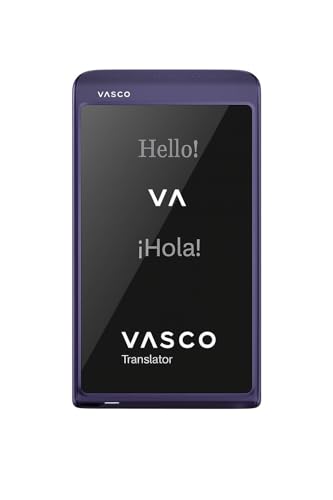
Vasco Translator Q1 | AI Voice Cloning Language Translator Device | 113 Languages | Free Lifetime Internet in Nearly 200 Countries | Mystic Plum
AI TRANSLATOR WITH VOICE CLONING: Advanced translation device with Vasco My Voice technology lets you sound like yourself…
As an affiliate, we earn on qualifying purchases.
As an affiliate, we earn on qualifying purchases.