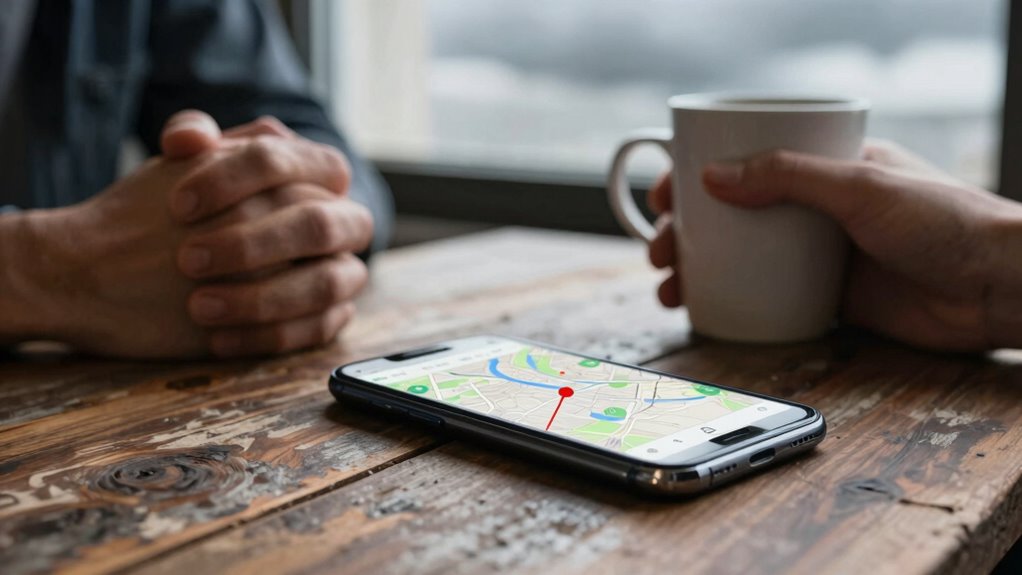

Sharing your location alone doesn’t automatically rebuild trust because trust depends on honesty, respect, and open communication, not just revealing where you are. It can even introduce new issues, like privacy concerns or suspicion, if not handled carefully. Over-sharing can create doubt instead of reassurance. To truly rebuild trust, focus on honest conversations and clear boundaries. If you want to understand how trust develops beyond just location sharing, keep exploring these important factors.

Get gifts for the two of you delivered free with Prime
- Fast, free delivery on millions of items
- Prime Video, Amazon Music and more included
- Member-only deals all year
Key Takeaways
- Sharing location alone doesn’t demonstrate honesty or respect, which are essential for genuine trust.
- Privacy concerns and fear of misuse can outweigh the reassurance location sharing provides.
- Lack of transparency about why and how location data is used fosters suspicion.
- Over-reliance on location sharing may lead to paranoia rather than strengthening trust.
- Building trust requires ongoing communication, honesty, and boundary-setting, not just sharing location data.
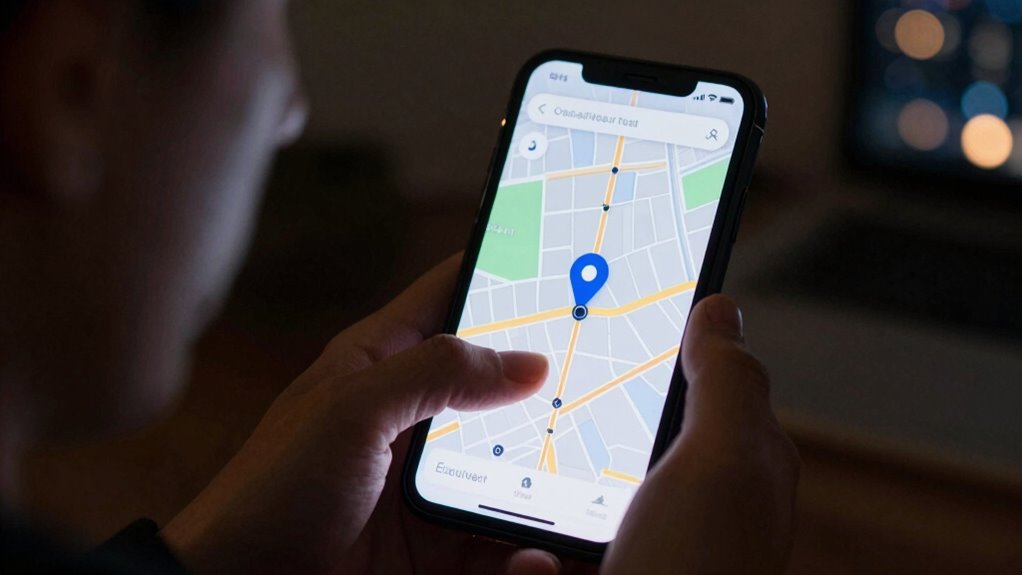
In an era where technology makes it easy to share your whereabouts instantly, trust becomes the foundation of effective location sharing. But just because you’re sharing your location doesn’t mean trust automatically follows. Many people assume that revealing their whereabouts will strengthen relationships or ease anxieties, yet that’s not always the case. Instead, it can create new issues, especially around privacy concerns and transparency issues. When you share your location, you might worry about who has access to that information and how it’s being used. If you’re uncertain about your partner’s or friend’s intentions or if they respect your boundaries, sharing your location can feel more like an invasion than a gesture of trust.
Privacy concerns are often at the forefront of hesitation. You might fear that your location data could be misused, leaked, or accessed by someone you don’t trust. When you share your location through apps or devices, you give up some control over that information. If the platform doesn’t have strict security measures, your whereabouts could end up in the wrong hands. This risk makes it difficult to truly trust that your shared location will remain private, especially if past experiences have shown you how easily data can be compromised. As a result, you might hold back on sharing your location altogether, or you may do so reluctantly, knowing that your privacy is at risk. Being aware of security measures can help you better evaluate the safety of your shared data.
Transparency issues also play a significant role. Sometimes, you’re unsure whether the person on the receiving end is being honest about why they want your location or how they plan to use it. If there’s a lack of clear communication, it can lead to misunderstandings and suspicion. When trust is fragile, the inability to openly discuss the purpose of location sharing creates more doubts. You might question whether they’re genuinely concerned for your safety or if they’re monitoring you for other reasons. Without transparent conversations about intentions, sharing your location can feel like opening yourself up to potential exploitation rather than building mutual trust. Understanding the importance of security measures can help you better evaluate the safety of your shared data. Moreover, establishing clear boundaries and expectations about privacy concerns can significantly reduce misunderstandings. Ultimately, sharing your location isn’t a guaranteed way to rebuild or strengthen trust. It’s a step that requires careful consideration of privacy concerns and transparency issues. If those aren’t addressed openly, sharing your whereabouts can backfire, creating more paranoia and doubt instead of reassurance. Trust is built through consistent honesty, respect, and clear communication, not just through the act of sharing your location. So, before you hit “share,” think about whether it’s truly helping to foster trust or if it’s simply exposing vulnerabilities you’re not ready to reveal. Being aware of trust-building strategies can provide a more comprehensive approach to strengthening relationships beyond mere location sharing.
privacy screen protector for smartphones
As an affiliate, we earn on qualifying purchases.
As an affiliate, we earn on qualifying purchases.
Frequently Asked Questions
How Does Location Sharing Impact Personal Privacy?
Location sharing directly impacts your personal privacy by blurring your privacy boundaries, making it easier for others to constantly monitor your movements. It can weaken trust boundaries if shared without clear consent or understanding. You might feel exposed or vulnerable if your location is shared unexpectedly, leading to discomfort or suspicion. To protect yourself, set boundaries around who can see your location and communicate your preferences clearly.
Can Location Sharing Be Completely Secure From Hacking?
Think of location sharing like a vintage Radio: even with encryption, vulnerabilities exist. You can’t guarantee complete security from hacking because of potential encryption flaws and cyber threats. While user consent is vital, it doesn’t assure safety. Hackers continually find new ways to breach systems. So, no, location sharing can’t be entirely secure, but staying informed and cautious minimizes risks and helps protect your privacy.
What Legal Issues Arise From Sharing Location Data?
When sharing location data, you face legal issues around legal compliance and data ownership. You must guarantee you’re following privacy laws, like GDPR or CCPA, to avoid fines or legal action. Also, clarify who owns the data—whether it’s you or the service provider—so you’re protected and transparent. Failing to do so could lead to breaches of privacy rights and potential lawsuits, making legal compliance essential for responsible sharing.
How Do Cultural Differences Influence Trust in Location Sharing?
Cultural perceptions heavily influence how you view trust boundaries in location sharing. In some cultures, sharing your location is seen as a sign of closeness, while others view it as invasive. Your trust depends on these cultural norms, affecting your comfort level and expectations. Recognizing these differences helps you navigate relationships better, understanding that trust in location sharing isn’t universal and varies based on cultural perceptions, shaping your interactions accordingly.
What Are the Psychological Effects of Constant Location Sharing?
Constant location sharing can lead to trust erosion, as you might feel monitored or lose a sense of independence. It fosters dependency concerns, making you overly reliant on digital oversight instead of mutual trust. Over time, this can cause anxiety and reduce genuine connection, leaving you questioning intentions and sincerity. You may become hyper-aware of privacy boundaries, which ultimately hampers authentic interactions and damages long-term relationships.
location sharing app with security features
As an affiliate, we earn on qualifying purchases.
As an affiliate, we earn on qualifying purchases.
Conclusion
Remember, sharing your location isn’t a magic potion that instantly mends broken trust. Like a knight’s armor, it offers some protection but doesn’t replace genuine honesty and communication. Trust isn’t built overnight; it’s forged through consistent actions and open hearts. So, don’t expect your device’s breadcrumbs to do the heavy lifting—trust requires real effort, not just a “here I am” ping. In the end, true connection remains a quest, not a quick fix.
As an affiliate, we earn on qualifying purchases.
secure messaging app for honest communication
As an affiliate, we earn on qualifying purchases.
As an affiliate, we earn on qualifying purchases.
Halloween Picks
halloween
As an affiliate, we earn on qualifying purchases.