

Online alibis rely on digital footprints like social media activity, location data, and messaging logs to prove where you’ve been or what you’ve done. If your online activity shows consistent timestamps, geotags, and communications, it can confirm your whereabouts and support your claims of fidelity. Conversely, suspicious or missing digital traces might raise questions. To understand how these digital breadcrumbs can help or hinder your case, keep exploring the details behind every online move.
Key Takeaways
- Digital footprints such as geotagged photos and location data verify an individual’s presence at specific places and times.
- Social media activity, including posts and private messages, can reveal secretive relationships or suspicious behavior.
- Timestamps and digital breadcrumbs help construct accurate activity timelines to authenticate or challenge alibis.
- Deleted or encrypted communications can often be retrieved and analyzed as evidence of fidelity or infidelity.
- Awareness of digital data’s evidentiary value is crucial for using online footprints to confirm or disprove claims.

Have you ever wondered how digital footprints can serve as alibis in today’s connected world? In an age where almost everything you do leaves a trace online, your social media footprints and digital footprints become powerful evidence. When suspicions arise about fidelity, these digital trails can either support or disprove your partner’s claims. Every post, comment, photo, or check-in creates a record that can be analyzed to confirm where you’ve been or what you’ve been doing. If you’re accused of being unfaithful, your social media footprints—like geotagged photos or timestamps on your activity—can serve as a solid alibi. For example, if you have a timestamped photo from a location miles away from where your partner claims you were, it can help verify your whereabouts. Conversely, a lack of activity or inconsistent posts might raise questions or doubts about your honesty.
Your digital footprints extend beyond social media. They include your browsing history, location data from your phone, and even your messaging logs. Law enforcement or private investigators can access these digital breadcrumbs to piece together a timeline of your activities. If you’re claiming to be at work or running errands, your digital footprints—such as work emails, GPS data, or transaction records—can back up your story. On the other hand, if your digital footprints contradict your claims, it may cast suspicion, making it harder to deny your location or actions. It’s important to understand that every digital interaction leaves a trail, whether it’s a check-in, a status update, or even a deleted message. These traces can be retrieved and scrutinized, making digital footprints a reliable source of evidence. Furthermore, understanding the types of data that can be collected enhances your awareness of how your online actions are monitored and documented.
However, it’s not just about proving innocence—digital footprints can also be used to uncover infidelity. Someone suspicious might dig into their partner’s social media footprints, looking for signs of secretive activity or hidden relationships. They might find private messages, new followers, or encrypted conversations that suggest otherwise. The key takeaway is that in today’s digital age, your online presence acts as a record of your actions, accessible to those who know how to look. Whether you’re trying to verify your whereabouts or uncover someone else’s secrets, digital footprints are a critical resource. They’re as close as a tap or click away, and they can be the difference between doubt and certainty. So, in this connected world, understanding how your digital data functions as an alibi is essential—because the truth often lies hidden in plain sight, within the footprints you leave behind.

FITINDEX Wi-Fi Scale for Body Weight, Smart Scale with BMI, Body Fat, Muscle Mass, Digital, Bluetooth, Bathroom,13 Body Composition Analysis Health Monitor
Full Body Composition Analysis: Track your daily progress and monitor more than just weight with our body composition…
As an affiliate, we earn on qualifying purchases.
As an affiliate, we earn on qualifying purchases.
Frequently Asked Questions
Can Social Media Activity Conclusively Prove Someone’s Fidelity?
Social media verification alone can’t conclusively prove someone’s fidelity because digital footprints can be manipulated or taken out of context. While analyzing a person’s online activity gives insights into their behavior, it should be part of a broader investigation. You need to contemplate digital footprint analysis alongside other evidence, as social media activity may not reflect real-life actions accurately. Always approach such conclusions with caution.
What Legal Issues Arise From Using Digital Data as Evidence?
Oh, the thrill of digital detective work! When you use digital data as evidence, you risk infringing on digital privacy rights, which can jeopardize its legal admissibility. Courts scrutinize whether data collection respects legal standards and privacy laws. If you overlook these issues, your evidence might be dismissed. So, while digital sleuthing may seem clever, always guarantee you’re following the law to avoid a costly privacy showdown.
How Can Someone Protect Their Online Data From Being Misused?
You can protect your online data by managing your digital footprint carefully and setting strict privacy controls on your accounts. Use data encryption to secure sensitive information and prevent unauthorized access. Regularly update passwords, avoid sharing personal details publicly, and review privacy settings frequently. Being proactive helps guard against misuse and keeps your digital presence safe from potential threats or misinterpretation.
Are There Privacy Concerns When Collecting Digital Evidence?
Yes, collecting digital evidence raises privacy concerns. You should guarantee your data is protected with strong data encryption to prevent unauthorized access. Be aware that privacy breaches can occur if sensitive information isn’t secured properly. When gathering digital evidence, always follow legal guidelines and respect privacy rights, so you don’t unintentionally expose yourself or others to privacy breaches. Proper security measures help safeguard everyone’s privacy during this process.
What Techniques Do Investigators Use to Verify Online Alibis?
You verify online alibis by analyzing digital footprints, such as timestamps, locations, and activity logs. Investigators use data triangulation to cross-check information from multiple sources like social media, emails, and device logs, ensuring consistency. This method helps confirm if someone was where they claimed to be. By combining these techniques, investigators establish a reliable digital alibi, reducing the chance of deception and increasing evidence credibility.
geotagged photo verification device
As an affiliate, we earn on qualifying purchases.
As an affiliate, we earn on qualifying purchases.
Conclusion
As you navigate the digital maze, remember that online data can serve as a modern-day Aladdin’s lamp—revealing truths or conjuring illusions. Just like in the days of Sherlock Holmes, your digital footprint can be your greatest ally or your biggest downfall. So, stay vigilant; in this era of instant information, a well-placed click can be as decisive as a telegram. Trust, but verify—your fidelity’s future might depend on it.
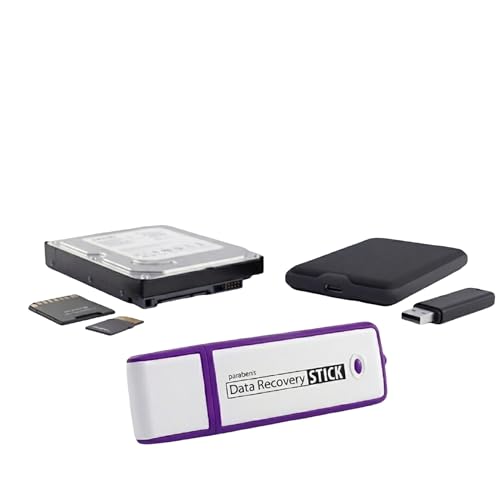
Data Recovery Stick – Recover Deleted Files from Windows Computers and Storage Devices
Data Recovery Stick (DRS) can help you with data recovery on Windows Computers easily and quickly. Just plug…
As an affiliate, we earn on qualifying purchases.
As an affiliate, we earn on qualifying purchases.

iRecovery Stick – Data Recovery and Investigation Tool for iPhones and iPads
Perform Investigations – Downloads user data from iPhones, iPads, & iPod Touch devices. Search feature allows you to…
As an affiliate, we earn on qualifying purchases.
As an affiliate, we earn on qualifying purchases.