
TL;DR

Get gifts for the two of you delivered free with Prime
- Fast, free delivery on millions of items
- Prime Video, Amazon Music and more included
- Member-only deals all year
The Gottman Institute published guidance for couples therapists on how terms such as “gaslighting,” “narcissist” and “flooded” can be used to dismiss a partner or avoid difficult conversations. The report recommends helping clients describe what happened, how it affected them and what they need, while treating time-outs as a pause with a plan to return to the issue.
The Gottman Institute has published guidance for couples therapists on a problem that can arise when partners bring therapy terminology into everyday disagreements: language intended to build understanding may instead be used to label, dismiss or avoid a partner. The report urges therapists to focus on the specific experience behind a term and help clients express their feelings and requests without diagnosing each other.
The report describes partners using phrases such as “You’re gaslighting me,” “You’re such a narcissist,” or “That’s your avoidant attachment talking.” A person may be trying to describe a painful experience, the report says, but the partner hearing the label may experience it as a judgment about their character. The author says this can shift a conversation away from the original hurt and toward defensiveness.
One example concerns flooding, a term for becoming physiologically overwhelmed during conflict. A partner who recognizes that state may appropriately need a break. But the report recounts a client’s concern that their partner invoked flooding and left during a conversation about school pickup, which the client felt was not a fight. The author presents this as a risk to address in therapy, not proof that every request for a break is avoidance.
Rather than beginning by disputing whether a term is technically correct, the report’s author recommends slowing the exchange and asking what happened, how it affected the speaker and what they want their partner to understand or do differently. The proposed approach preserves the underlying concern while changing its delivery: describe the event and its effect, then make a clear request.
How Labels Can Halt a Conversation
The report focuses on a practical distinction for couples: naming a painful experience is not the same as diagnosing a partner. A psychological label can carry an implied verdict—one person is right, the other is the problem—even when the speaker’s aim is to be understood. If the other person responds by defending their character, the original issue may go unresolved.
That matters because therapy concepts are increasingly encountered outside therapy, including through social media, podcasts, friends and prior therapy experiences, according to the report. The source does not measure how frequently labels are used or assess their prevalence across couples. Its point is narrower: therapists need to notice how this language lands in the room and help both partners return to the behavior and experience at issue.
The advice also avoids treating all clinical language or time-outs as harmful. Recognizing overwhelm can help partners pause before a discussion becomes more hurtful. The concern is whether the pause is understood as a temporary step that supports a later conversation, or functions as an exit from it.
Popular right now

Dyson Ball Animal 3 Corded Upright Vacuum
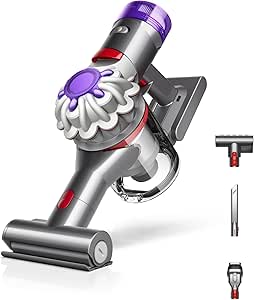
Dyson Car+Boat Cordless Handheld Vacuum

Vitamix Propel Series 750 Professional-Grade Blender, 4 Programs, Black
As an affiliate, we earn on qualifying purchases.
From Therapy Concepts to Daily Disputes
The report is written for therapists working with couples using the Gottman Method. It begins with a familiar clinical aim: teach partners concepts that help them identify patterns and communicate about what is happening. The difficulty arises when a concept learned in therapy is then used between partners in a way that becomes part of the pattern it was intended to interrupt.
For criticism, the author points to the Gottman Method’s idea of a softened startup: raising a concern by describing one’s feelings and needs rather than attacking the other person’s character. The report’s example replaces “You’re gaslighting me” with an account of a disputed conversation, the speaker’s confusion and frustration, and a request to slow down and understand why the two people remember events differently.
For flooding, the same principle applies to breaks. The source says therapists want partners to recognize overwhelm and take time away before conflict becomes unproductive or hurtful. The supplied report excerpt ends while introducing the author’s response to repeated breaks; it does not include the complete recommended procedure.
““I’m worried that what you’re saying isn’t landing the way you hoped.””
— The Gottman Institute report
What the Report Does Not Establish
The source is clinical guidance and an illustrative account, not a research study. It provides no data on how common harmful uses of therapy language are, whether particular terms are more likely to escalate conflict, or how often a partner’s stated need for a break is avoidance rather than genuine overwhelm.
The supplied material also does not establish that one partner’s account of a disputed exchange is more accurate than the other’s. In its example, the report recommends asking what was said and how it was experienced; it does not offer a finding about whether the accusation of gaslighting is valid in any particular case. The excerpt ends before the full advice on repeated flooding-related breaks is given, leaving the recommended follow-up process unclear.
Returning to the Unfinished Conversation
In the approach described, the next step is to translate a label into a concrete account: what happened, what the speaker felt and what they want to change. That gives the other partner a clearer issue to respond to without requiring them first to accept a psychological judgment about themselves.
When a partner feels flooded, the report supports recognizing the overwhelm and taking a break, while warning that the couple may need to understand what the break is for. The provided excerpt does not specify a return time, a formal check-in or a complete protocol. It therefore leaves open how therapists should respond when partners disagree about whether a pause is needed or whether the conversation will resume. The article’s stated next move is to keep the discussion focused on the couple’s experience and needs rather than letting therapy terminology settle the dispute.
Key Questions
What does the Gottman Institute report mean by therapy language becoming a weapon?
It describes cases where terms intended to help explain relationship patterns are used to label, criticize or dismiss a partner, or to end a difficult conversation. The report treats this as a potential misuse, not as the inevitable result of using therapy language.
Does the report say people should stop using terms such as “gaslighting”?
No. The author says not to begin by arguing over whether a term is correct. Instead, the report recommends asking what the partner did, how it affected the speaker and what the speaker wants understood or changed.
What is flooding in the report?
Flooding refers to becoming physiologically overwhelmed during conflict. The report says recognizing this state can help a person take a break before a discussion becomes unproductive or hurtful.
How does the report suggest raising a concern without diagnosing a partner?
Describe the specific event, explain the feeling or impact, and make a request. Its example replaces an accusation of gaslighting with a description of a disagreement about what was said and a request to discuss the differing recollections.
Does the source give a full plan for returning to a conversation after a break?
Not in the provided excerpt. It raises concern about repeated breaks leaving issues unresolved, but the supplied text ends before the author’s full response to that problem.
Source: gottman.com