
Porn-induced erectile dysfunction is a real phenomenon caused by the brain’s neuroplastic response to excessive digital stimulation. When you frequently watch pornography, your brain rewires itself, reducing natural arousal responses to real-life intimacy. This can lead to difficulties achieving or maintaining an erection during sex. It’s not just a myth—these changes are rooted in neural pathways that can be retrained. Understanding how your brain adapts may help you find effective solutions as you explore more.
Key Takeaways
- Neural rewiring from frequent pornography use can decrease sensitivity to natural intimacy, contributing to erectile difficulties.
- Digital stimuli create artificial arousal cues that may override or diminish responses to real-life partners.
- Recovery is possible through abstinence, therapy, and mindfulness, as brain neuroplasticity allows rewiring reversal.
- The cycle of avoidance and performance anxiety is rooted in neural adaptations, not solely physical issues.
- While not everyone experiences it, evidence suggests porn-induced erectile dysfunction is a real, neurobiologically based phenomenon.

Have you ever wondered how excessive consumption of pornography might affect your ability to perform sexually? It’s a question many men ask themselves, especially as they notice changes in their sexual response. The answer isn’t straightforward, but understanding how the brain adapts to digital intimacy can shed some light. When you regularly engage with pornography, your brain begins to adapt to this constant stimulation. This process, known as brain adaptation, rewires neural pathways that are involved in sexual arousal and pleasure. Over time, your brain may become conditioned to respond more readily to the specific cues found in digital intimacy—such as videos or images—rather than real-life sexual encounters. This shift can lead to decreased sensitivity to natural intimacy, making it harder to become aroused or maintain an erection during sex with a partner. Fundamentally, your brain starts to associate arousal with the artificial stimuli of pornography rather than actual human interaction, which can contribute to what’s known as porn-induced erectile dysfunction.
The impact of digital intimacy extends beyond just the brain’s wiring; it alters your expectations and perceptions of sex. When your sexual experiences are primarily shaped by the often exaggerated or highly curated content of online material, you might find real-life intimacy less stimulating or less satisfying. This discrepancy can cause frustration and anxiety, further impeding your ability to perform. As your brain becomes accustomed to the rapid and intense stimulation of digital intimacy, it can diminish your natural arousal response to real partners. The more you rely on these artificial cues, the more your brain adapts, making it increasingly difficult to switch back to natural arousal triggers. Recognizing how neural pathways are shaped by repeated exposure to this content can help you understand the neuroplastic nature of these changes.
This cycle can create a self-perpetuating problem. You might start avoiding intimacy altogether, fearing that you won’t perform as expected. Or you might feel overwhelmed by the pressure to replicate what you see online, which can intensify performance anxiety. Recognizing that brain adaptation plays a significant role in this process is fundamentally because it indicates that these issues aren’t purely physical but involve neural rewiring. Recovery often involves retraining the brain to respond to real-life intimacy and reducing dependence on digital stimuli. This might mean taking a break from pornography, engaging in mindful practice, or seeking therapy aimed at resetting your brain’s response patterns. Understanding how digital intimacy affects your brain helps you see that this isn’t just a matter of willpower but a neuroplastic process that can be reversed with patience and awareness.
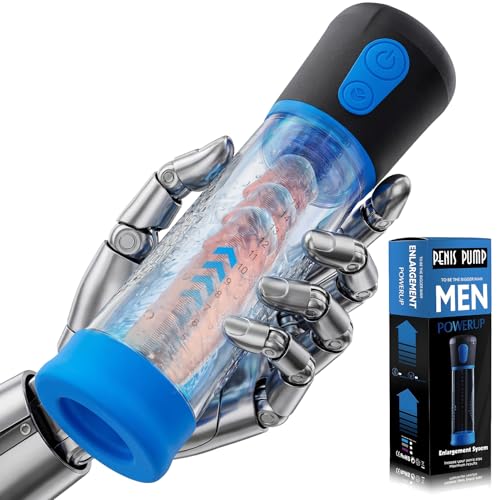
Men's Vacuum Pump Training Strength Erectile Dysfunction Pump Training Strength Men's Suction Heightening Pump Men's Shaft Pump MYS06
Men's Growth Pump with Strong Suction Vacuum Pump with ED Screen Powerfu Vacuum Pump Inch Enlargement
As an affiliate, we earn on qualifying purchases.
As an affiliate, we earn on qualifying purchases.
Frequently Asked Questions
Can Porn Addiction Lead to Long-Term Erectile Issues?
Yes, porn addiction can lead to long-term erectile issues. When you become addicted, your brain undergoes neuroplasticity recovery, which alters your response to real-life intimacy. To reverse these effects, behavioral therapy helps retrain your brain and restore healthy sexual function. Consistent effort with professional guidance can improve your erectile performance and help you break free from dependence on porn, leading to healthier relationships and a better quality of life.
Is There a Specific Age Group Most Affected by Porn-Induced ED?
You might think age doesn’t matter, but surprisingly, younger men in their late teens to early 30s are most affected by porn-induced ED. Ironically, this age group’s ongoing sexual development makes them more vulnerable as excessive porn consumption can desensitize their response. While it’s not exclusive, this demographic’s habits and brain plasticity heighten their risk, making awareness vital for healthy sexual development.
Are Certain Types of Porn More Likely to Cause ED?
Certain types of porn, especially those with high visual intensity or extreme genres, can increase the risk of ED. If you consume intense or highly stimulating porn regularly, your brain might get used to that level of stimulation, making real-life intimacy less satisfying. You should be cautious with genres that push boundaries, as they might contribute to desensitization and erectile difficulties over time.
How Quickly Can ED Symptoms Resolve After Quitting Porn?
You might see improvements within a few weeks after quitting porn, but full recovery varies. During this recovery timeline, your body resets, and symptoms can diminish markedly. Treatment options like therapy, lifestyle changes, and patience speed up this process. While some experience quick results, others need more time. Staying committed and exploring support options helps ensure a smoother journey toward regaining healthy erectile function.
Does Porn-Induced ED Impact Overall Mental Health?
Yes, porn-induced ED can impact your overall mental health. You might feel shame or frustration, which feeds into mental health stigma and worsens emotional well-being. Struggling with ED might make you doubt yourself or withdraw socially, escalating anxiety or depression. Recognizing this connection helps you seek support and address underlying issues, ultimately improving your mental health and emotional resilience. Taking steps toward understanding and recovery benefits both your mind and body.

Better Sex Through Mindfulness: How Women Can Cultivate Desire
As an affiliate, we earn on qualifying purchases.
As an affiliate, we earn on qualifying purchases.
Conclusion
So, is porn-induced erectile dysfunction just a myth or a real concern? It’s like a shadow that can stretch or shrink depending on how you look at it. While some find their desire dulled by endless screens, others have no trouble at all. The key is awareness and balance—don’t let the illusion of perfection cloud your reality. Keep your mind clear, your expectations real, and your confidence strong; your body will thank you.
neuroplasticity recovery tools for ED
As an affiliate, we earn on qualifying purchases.
As an affiliate, we earn on qualifying purchases.

Horny Goat Weed for Men – Extra Strength Male Supplement with Black Maca Root, Tongkat Ali, Saw Palmetto & Panax Ginseng Extract for Stamina & Energy – 60 Count
UNLEASH YOUR PEAK ENERGY – Experience the power of our horny goat weed herbal supplements, an extra-strength 1000mg…
As an affiliate, we earn on qualifying purchases.
As an affiliate, we earn on qualifying purchases.