
TL;DR
Movie rental stores, once vital community hubs, have largely disappeared due to digital streaming and online rentals. This article explores the confirmed decline, its social implications, and what remains uncertain about their cultural role.
Most remaining movie rental stores have closed or transitioned to other business models, marking the end of an era in local community engagement. This decline, confirmed by industry data, has led to a loss of social spaces that once fostered neighborhood interaction and civic life, raising questions about the cultural impact of their disappearance.

Get gifts for the two of you delivered free with Prime
- Fast, free delivery on millions of items
- Prime Video, Amazon Music and more included
- Member-only deals all year
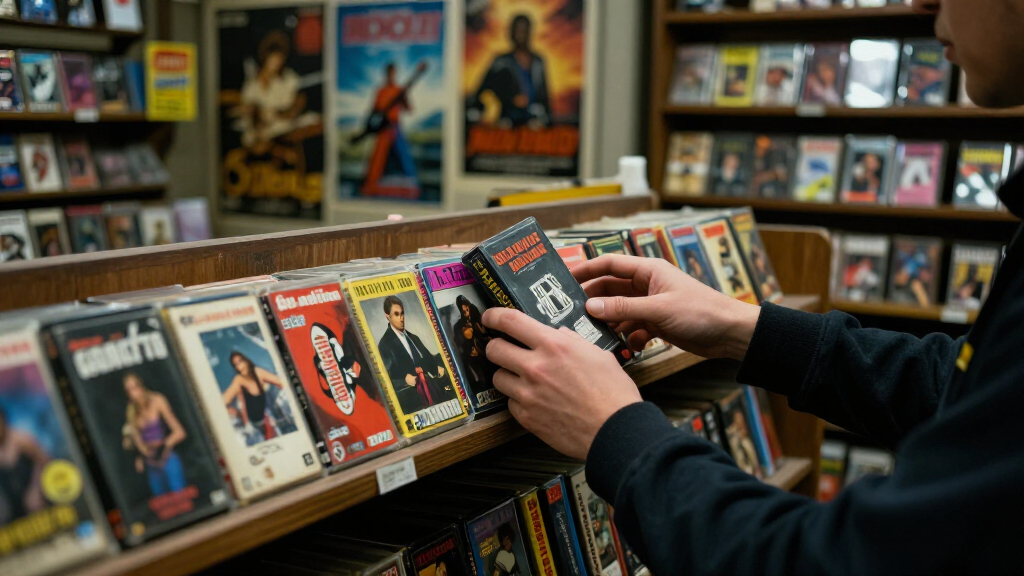
Over the past decade, the number of independent video rental stores has plummeted, with industry estimates indicating a decline of over 80% since 2010. Major chains like Blockbuster have closed all their stores, leaving only a handful of small, local businesses still operating in select areas. These stores historically served as community hubs, offering more than just movies — they provided spaces for social interaction, neighborhood bonding, and local cultural exchange.
Experts note that the decline correlates with the rise of digital streaming platforms such as Netflix, Hulu, and Amazon Prime, which have made physical rentals largely obsolete. According to data from the National Retail Federation, online rental and streaming now account for over 85% of home entertainment consumption, confirming a major shift in how people access movies.
Some remaining stores have attempted to adapt by offering unique community events, themed nights, or local film screenings, but these efforts are limited. The broader trend suggests a significant reduction in physical spaces dedicated to civic engagement through shared media experiences.
Community Spaces and Cultural Engagement Diminish
The decline of movie rental stores signifies more than a change in how people watch films; it reflects a broader loss of community gathering spots that historically fostered local culture and civic interaction. Their disappearance may contribute to increased social isolation and weaken neighborhood bonds, impacting the social fabric of communities.
Popular right now

Samsung 85-Inch QN70F Neo QLED 4K Smart TV (2025)

Bose QuietComfort Headphones (2nd Gen) – Wireless Over-Ear Noise Cancelling Headphones, Eucalyptus Green

DREAME D20 Air Plus Robot Vacuum and Mop with Auto-Empty Dock
As an affiliate, we earn on qualifying purchases.
From Blockbuster to Digital Streaming: A Rapid Shift
During the 1980s and 1990s, local video stores thrived as accessible entertainment venues. Chains like Blockbuster expanded nationwide, becoming fixtures in many neighborhoods. However, the advent of high-speed internet and the proliferation of on-demand streaming services in the late 2000s accelerated their decline. By 2015, most large chains had closed, with only a few independent stores remaining. This transition reflects a broader technological shift impacting local retail and social spaces.
“The physical rental store was more than a place to pick up movies; it was a community hub that fostered neighborhood interaction and local culture.”
— Dr. Susan Lee, Cultural Sociologist
Extent of Civic and Cultural Loss Still Unclear
While it is confirmed that physical rental stores have largely disappeared, the full impact on community cohesion and local culture remains difficult to quantify. Some experts suggest online platforms may partially compensate through virtual social interactions, but the tangible community spaces have been largely lost. The long-term effects on neighborhood social fabric are still being studied.
Emerging Trends in Community Engagement and Digital Media
Researchers and community leaders are exploring ways to revive local civic spaces, possibly through community media centers or local film festivals. Meanwhile, the continued dominance of digital streaming raises questions about the future of physical community hubs. Monitoring how communities adapt or seek to replace these spaces will be key in understanding the ongoing cultural impact.
Key Questions
Why did movie rental stores decline so rapidly?
The rise of digital streaming platforms like Netflix, Hulu, and Amazon Prime made physical rentals less convenient and increasingly obsolete, leading to the rapid closure of most stores.
Did movie rental stores serve social functions?
Yes, many stores acted as community hubs where neighbors interacted, shared recommendations, and participated in local events, fostering civic engagement.
Are there any efforts to revive physical rental spaces?
Some communities are exploring media centers or local film festivals to recreate social spaces, but these efforts are limited compared to the past.
What is the impact of this decline on local communities?
The loss of physical rental stores has reduced opportunities for neighborhood interaction and cultural exchange, potentially weakening community bonds.
Will online platforms replace the civic functions of rental stores?
While online platforms facilitate social sharing in digital spaces, they do not fully replicate the physical presence and community-building aspects of traditional rental stores.
Source: hn