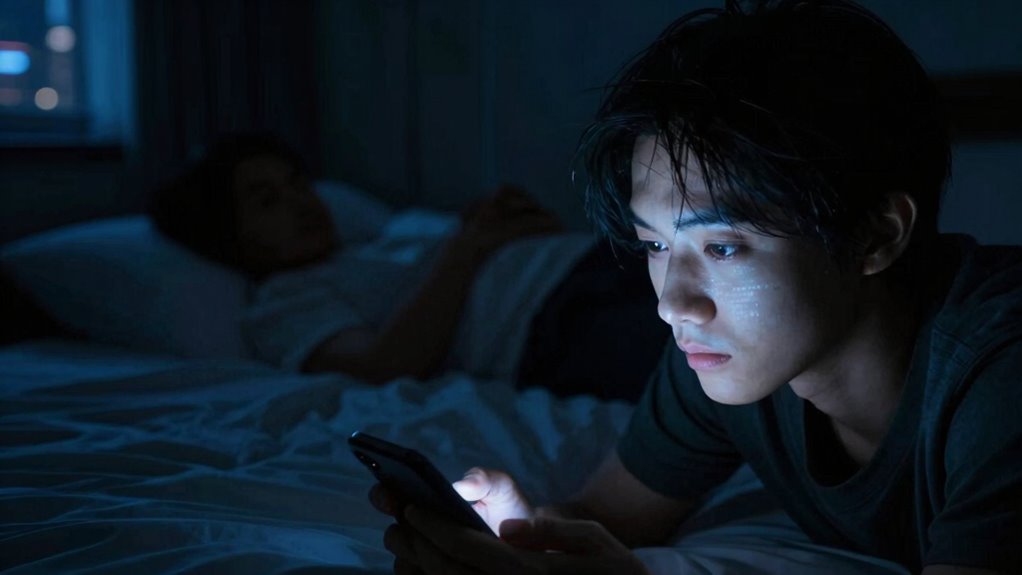

When your partner is addicted to online attention, it can lead to emotional distance and feelings of neglect. They might spend hours online, distracted during quality time, and seek validation from virtual likes and comments instead of from you. This dependency often erodes trust and intimacy, causing frustration and resentment to build. If this issue persists, your relationship can become unbalanced and disconnected. Staying aware of these signs can help you understand what’s happening and explore solutions to restore balance.

Get gifts for the two of you delivered free with Prime
- Fast, free delivery on millions of items
- Prime Video, Amazon Music and more included
- Member-only deals all year
Key Takeaways
- The partner’s focus shifts from the relationship to seeking external validation, causing emotional disconnect.
- Shared experiences become less meaningful as notifications distract and divide attention during quality time.
- Trust and intimacy decline as online validation takes precedence over genuine emotional connection.
- Feelings of neglect and resentment build when online habits overshadow partner’s needs and presence.
- Relationship stability suffers as emotional dependency on online approval replaces self-esteem and internal validation.
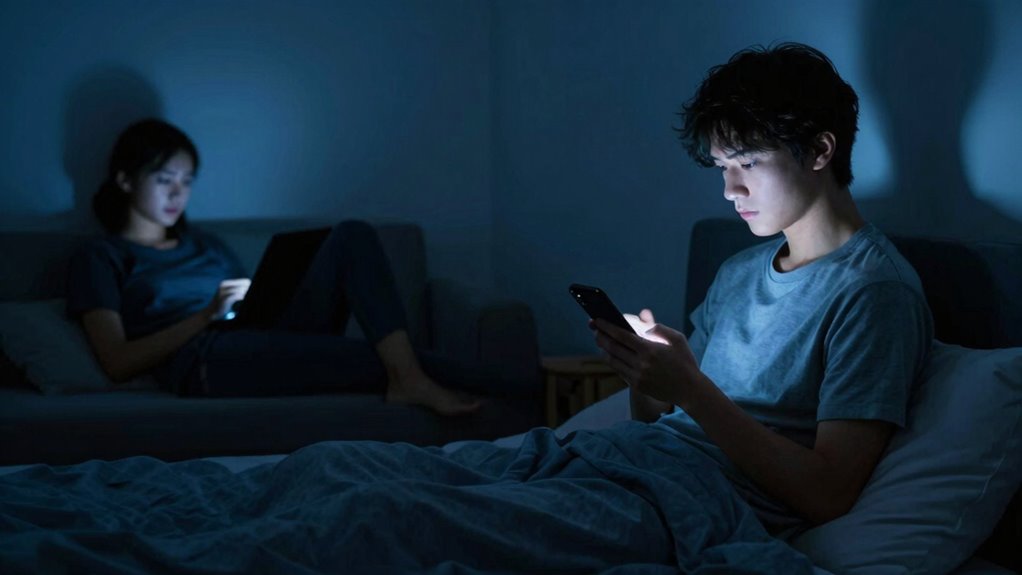
In today’s digital age, it’s increasingly common for partners to become addicted to online attention, often prioritizing their virtual presence over real-life connections. When your partner constantly seeks digital validation, it can create a disconnect that feels frustrating and confusing. They may spend hours refreshing social media feeds, posting carefully curated images, or obsessively checking for likes and comments. This behavior feeds their emotional dependency on online affirmation, making their self-esteem hinge on external validation rather than genuine self-worth. As a result, your relationship can suffer, as the emotional energy you invest may seem overshadowed by their need for virtual approval.
You might notice that your partner’s attention is often divided, even during quality time together. Instead of engaging fully in conversations or shared experiences, they may be distracted by notifications or the allure of online interactions. This pattern can lead to feelings of neglect or insignificance on your part, fueling frustration and resentment. You could also observe that their mood fluctuates based on the number of likes or comments they receive, indicating a reliance on digital validation for emotional stability. Their emotional dependency on online attention becomes a barrier to building a stronger, more authentic connection with you.
The more your partner seeks online validation, the more it can deepen their emotional dependency on virtual approval, making it harder for them to find validation within the relationship or themselves. This cycle might cause them to prioritize online interactions over your needs, leading to a sense of imbalance. They may become defensive or dismissive when you express concerns about their online habits, fearing that addressing these issues threatens their sense of worth. Over time, this can erode trust and intimacy, leaving you feeling isolated or undervalued. Recognizing the importance of emotional dependency and how it manifests can help you approach the situation with empathy and clarity. Addressing underlying issues such as low self-esteem can be crucial in breaking this cycle and fostering healthier connections.
Understanding what’s happening is crucial. Their addiction to online attention isn’t just about social media; it’s about fulfilling a deeper emotional void. Recognizing this pattern can be the first step toward finding healthier ways to connect. It’s also important to consider that this behavior may stem from underlying issues such as low self-esteem or emotional voids, which often drive individuals to seek validation externally. If your partner’s digital validation obsession is causing emotional dependency, it’s important to communicate openly and set boundaries. Encourage them to explore self-esteem outside of digital praise and to invest in genuine, offline interactions. Developing healthy boundaries and focusing on genuine self-worth can help restore balance. Only then can both of you work toward rebuilding trust, emotional stability, and a more balanced relationship that values real-life connection over fleeting online approval.
social media addiction recovery book
As an affiliate, we earn on qualifying purchases.
As an affiliate, we earn on qualifying purchases.
Frequently Asked Questions
Can Online Attention Addiction Be Treated Effectively?
Yes, online attention addiction can be treated effectively. You can focus on reducing digital validation and addressing attention dependency by setting boundaries around social media use and encouraging real-life interactions. Therapy can help identify underlying issues driving the addiction, develop healthier habits, and rebuild self-esteem outside of online validation. With consistent effort and support, you can regain control over your digital habits and foster more meaningful, offline connections.
How Does Partner Addiction Affect Communication?
Imagine your partner’s attention as a fragile mirror, reflecting only their online interactions. When they’re addicted to online attention, communication becomes cloudy, causing emotional detachment and trust erosion. They may seem present but are often distracted, making it hard to connect authentically. This creates a barrier, turning open dialogue into a distant echo, and slowly, your bond weakens as their focus shifts from real intimacy to virtual praise.
Are There Warning Signs Before Addiction Becomes Severe?
Yes, there are early warning signs before online attention addiction becomes severe. You might notice behavioral changes like increased secrecy, withdrawal from in-person interactions, or emotional shifts when offline. Your partner may spend more time on their devices, neglect responsibilities, or become irritable if interrupted. Recognizing these early warning signs allows you to address concerns early, fostering open communication and helping prevent the addiction from worsening.
What Impact Does Online Attention Have on Mental Health?
Like a mirror reflecting endless images, online attention can distort your self-view, impacting mental health. You may fall into social comparison, feeling inadequate or jealous of others’ highlights. Emotional dependency grows as you seek validation from virtual applause rather than real connection. Over time, this cycle chips away at your confidence, heightening anxiety and loneliness. Recognizing these signs helps you regain control and prioritize genuine relationships over digital praise.
How Can I Support a Partner Struggling With This Addiction?
You can support your partner by providing emotional support and encouraging open conversations about their feelings. Gently set boundaries around online activity to help them regain balance. Offer understanding instead of judgment, and suggest they seek professional help if needed. Your consistent presence and patience can make a difference, helping them recognize the impact of their online attention addiction while fostering a healthier, more connected relationship.
couples therapy for online distraction
As an affiliate, we earn on qualifying purchases.
As an affiliate, we earn on qualifying purchases.
Conclusion
When your partner craves online attention, it’s like chasing a shadow—never quite catching what truly matters. Their obsession pulls them away, leaving your connection frayed and fragile. But remember, love isn’t a digital applause; it’s a quiet, steady flame. Stand firm, communicate openly, and nurture what’s real. Because in the end, genuine intimacy deserves more than fleeting digital praise—it deserves your unwavering presence, shining brighter than any virtual spotlight.
As an affiliate, we earn on qualifying purchases.
As an affiliate, we earn on qualifying purchases.
Fall Picks
fall essentials
As an affiliate, we earn on qualifying purchases.