If surveillance footage catches your partner cheating, it can leave no doubt about infidelity. Modern tools like security cameras and smartphones help gather concrete evidence that can confirm suspicions or clarify doubts. However, using these tools raises privacy and legal concerns, so you must weigh the emotional benefits against potential repercussions. Keep in mind, footage can be powerful but may also worsen trust issues. If you want to explore how to handle this situation carefully, there’s more to think about.
Key Takeaways
- Surveillance footage can provide undeniable evidence of infidelity, confirming suspicions or revealing hidden affairs.
- Using hidden cameras raises legal and ethical concerns, varying by jurisdiction and personal boundaries.
- Discovering cheating through footage can cause emotional distress, betrayal, and trust issues in relationships.
- Evidence gathered from surveillance may have legal implications and impact future reconciliation efforts.
- Caution is essential; weigh privacy, emotional costs, and legal risks before using cameras to catch a cheating partner.

In today’s digital age, catching cheaters has become easier than ever thanks to security cameras and smartphones. These tools have transformed how suspicions are confirmed, often turning silent observations into undeniable proof. When you suspect your partner of infidelity, surveillance footage can serve as concrete evidence, but it also raises complex questions about trust and betrayal. You may feel justified in uncovering the truth, yet at the same time, you can’t ignore the potential invasion of privacy. It’s a delicate balance—using technology to seek honesty without crossing ethical boundaries. The moment you review security footage or smartphone recordings, you’re walking a fine line where the line between protecting yourself and violating someone’s privacy blurs. If you’re considering catching a cheater on camera, be aware that such evidence can be powerful, but it also comes with emotional and legal repercussions.
A thorough understanding of surveillance laws and the importance of respecting personal boundaries can help you navigate this complex situation more ethically and effectively.
Trust, once broken, becomes challenging to rebuild, and discovering betrayal through surveillance footage can either confirm your worst fears or provide the clarity you need to move on. However, you should also acknowledge that privacy concerns aren’t just theoretical—they’re very real. Many jurisdictions have laws regulating the use of hidden cameras, and what’s permissible in one place may be illegal in another. You might feel justified in installing a camera to protect your relationship or personal space, but you could also risk legal consequences if you overstep boundaries. Moreover, the act of spying can complicate your emotional state, intensifying feelings of betrayal, guilt, or doubt. It’s crucial to weigh whether the peace of mind gained by watching footage outweighs potential harm to trust and privacy.
Using surveillance footage as evidence can be empowering, but it’s not a decision to take lightly. You need to consider the implications for your relationship, your emotional well-being, and your legal standing. While the footage may confirm your suspicions, it doesn’t automatically mean reconciliation or a healthy resolution. Sometimes, the act of spying can worsen the betrayal, making reconciliation more difficult down the line. Ultimately, you must decide if the pursuit of truth through technology is worth the emotional toll and privacy concerns involved. If you do choose to go down this path, do so with caution, understanding that the line between protecting yourself and invading someone’s privacy is thin—and that trust, once shattered, is hard to repair.
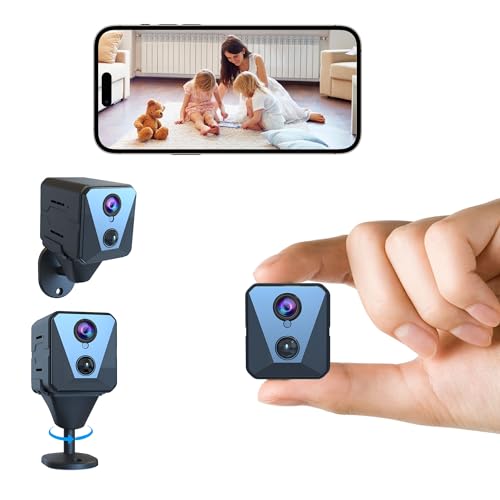
Funstorm 2025 Upgraded Security Camera, 4K HD Mini Nanny Cam for Home with Night Vision, WiFi Indoor Camera, 100 Days Long Battery Life, Motion Detection, Remote Viewing, Wireless Surveillance Cam
【Why choose us?】Newly upgraded indoor camera in 2025, 4K UHD picture quality and video quality, 100 days of…
As an affiliate, we earn on qualifying purchases.
As an affiliate, we earn on qualifying purchases.
Frequently Asked Questions
How Accurate Is Surveillance Footage in Proving Infidelity?
Surveillance footage can be quite accurate in proving infidelity, especially if the video quality is high and camera angles clearly capture the events. You should consider the clarity of the video and whether the footage is unaltered, as these factors impact reliability. Keep in mind, though, that poor video quality or limited angles might leave room for doubt, so analyzing the footage carefully is essential for making a solid case.
Can Footage Be Legally Used in Divorce Proceedings?
Sure, that sneaky footage can be used in divorce court, but beware—it’s a major privacy invasion that may backfire emotionally. Courts typically accept surveillance videos as evidence, yet you risk damaging relationships and crossing ethical lines. Think twice before relying on hidden cameras; the emotional impact on everyone involved can be profound. Use such footage carefully, understanding that the law might both accept and scrutinize your invasion of privacy.
What Ethical Concerns Surround Secretly Recording a Partner?
Secretly recording your partner raises serious ethical concerns, especially around privacy invasion and consent issues. You might justify it, but it can damage trust and violate their rights. If you’re considering this, think about how it affects your relationship and whether honesty might be a better approach. Remember, respecting privacy isn’t just legal; it’s essential for maintaining mutual respect and integrity.
How Do Privacy Laws Vary Across Different Regions?
Ever wonder how privacy laws differ across regions? You should know that privacy regulations vary widely, affecting what surveillance is lawful. In some areas, recording without consent breaches regional privacy standards, risking legal trouble. Other regions have more lenient rules, allowing covert surveillance, especially in public spaces. It’s essential to understand regional differences because what’s legal in one place might be illegal elsewhere, so always check local laws before recording.
What Are the Best Methods to Discreetly Capture Evidence?
To discreetly capture evidence, you should use hidden cameras and discreet recording devices that blend into your surroundings. Place them strategically in common areas without raising suspicion, ensuring they’re high-quality for clear footage. Keep the devices charged and hidden out of sight, and monitor the recordings regularly. Remember, always respect local laws regarding surveillance to avoid legal issues while gathering essential evidence.

Camuitry 1080P HD WiFi Hidden Spy Camera – Wireless Security Camera with Night Vision & Motion Detection, App-Controlled, for Home Baby Pet Monitoring (Smartphone Compatible)
CRYSTAL CLEAR 1080P HD VIDEO – Professional-grade recording captures every detail with stunning clarity, ensuring you never miss…
As an affiliate, we earn on qualifying purchases.
As an affiliate, we earn on qualifying purchases.
Conclusion
So, next time you think you’re hiding behind closed doors, remember that cameras are silent witnesses, ready to peel back the curtain on secrets. Like a lighthouse piercing through fog, surveillance footage cuts through deception, exposing the truth lurking in shadows. In this digital age, trust is a fragile web, easily unraveled by a single snapshot. Stay honest, or risk your secrets being caught in the spotlight, forever etched in the story of exposure.

Blink Outdoor 4 – Wireless smart security camera, two-year battery life, 1080p HD day and infrared night live view, two-way talk. Sync Module Core included – 5 camera system
Outdoor 4 is our most affordable wireless smart security camera yet, offering up to two-year battery life for…
As an affiliate, we earn on qualifying purchases.
As an affiliate, we earn on qualifying purchases.

Nanny Cam 1080P HD Clock Hidden Camera Motion Detection Loop Recording Small Video Camera for Office, Indoor Security Camera No WiFi Function
Clever Design: This clock-style camera seamlessly integrates covert surveillance with clock functionality, making it an advanced camera ideal…
As an affiliate, we earn on qualifying purchases.
As an affiliate, we earn on qualifying purchases.