

When love ends, your brain experiences withdrawal similar to drug addiction, craving the dopamine and oxytocin that once made you feel connected. This can cause emotional dependency, leading to symptoms like anxiety, sadness, and physical aches. Recognizing these reactions helps you understand it’s a natural process. By focusing on new routines, building support, and practicing self-compassion, you can rewire your brain and heal. Keep exploring to discover how to navigate and overcome heartbreak withdrawal effectively.
Key Takeaways
- Love activates brain chemicals like dopamine and oxytocin, creating feelings similar to drug addiction.
- Heartbreak withdrawal symptoms mirror addiction, including intense sadness, anxiety, and physical discomfort.
- Emotional dependency rewires the brain, making breakup recovery require rewiring routines and building emotional independence.
- Limiting contact with the ex and seeking support helps reduce triggers and cravings during emotional detox.
- Mindset shifts, self-compassion, and new habits accelerate brain rewiring and promote emotional resilience after heartbreak.

When a breakup hits, you might start to feel a strange ache that lingers long after the relationship ends. It’s as if your mind is stuck in a loop, craving the familiarity and comfort of what once was. This is often a sign of emotional dependency—your brain has become used to the rush of dopamine and oxytocin that came from being with your partner. Your body and mind are fundamentally craving these chemicals, which creates a sense of withdrawal similar to what addicts experience. Recognizing this dependency is the first step toward recovery.
It’s important to understand that emotional dependency isn’t just about missing someone; it’s about your brain rewiring itself to rely on that relationship for emotional stability. When the relationship ends, your brain perceives it as a loss of a vital source of pleasure and reassurance. That’s why you might feel intense sadness, anxiety, or even physical symptoms like headaches or fatigue. These sensations are part of the withdrawal process, and they highlight how deeply your emotional system has intertwined with your partner’s presence. Mindset shifts can play a crucial role in overcoming this phase and rebuilding emotional resilience.
Recovery strategies focus on rewiring your brain and restoring your independence. One effective approach is to consciously create new routines and habits that do not involve your ex-partner. Engage in activities that bring you joy and boost your self-esteem—whether that’s pursuing a hobby, exercising, or reconnecting with friends. It’s essential to practice self-compassion during this time; beating yourself up only prolongs emotional dependency. Acknowledge your feelings without judgment and remind yourself that healing is a process.
Another key recovery strategy involves limiting contact with your ex. This helps reduce the constant reminders that trigger cravings for the relationship’s emotional highs. Instead, focus on building a support system of friends, family, or even mental health professionals who can provide emotional stability. Therapy can be particularly helpful because it offers tools to manage emotional dependency and develop healthier coping mechanisms. Techniques such as mindfulness and meditation also help recalibrate your brain’s reward system, making it easier to detach from the emotional dependency and move forward.

Switch Research Emotions Journal – Self Care Journal – Psychologist-Backed Manifestation Journal – Therapist Recommended Affirmation – Beautiful Self Care for Women – Size: A4
PSYCHOLOGIST-DEVELOPED STRATEGIES FOR EMOTIONAL WELL-BEING – This manifestation journal is a compilation of research-backed strategies for emotional regulation….
As an affiliate, we earn on qualifying purchases.
As an affiliate, we earn on qualifying purchases.
Frequently Asked Questions
Can Heartbreak Withdrawal Be Permanent?
Heartbreak withdrawal can be permanent, but it’s rare. Usually, with emotional resilience and proper relationship healing, you gradually recover from emotional pain. You might carry scars or lingering feelings, but over time, your brain adapts, and the intense desire fades. Be patient and focus on self-care; professional help can also aid in processing grief. Remember, healing is a journey, and resilience helps you move forward.
How Long Does Heartbreak Withdrawal Typically Last?
Heartbreak withdrawal can last anywhere from weeks to months, but don’t be fooled—your emotional resilience is the key. While it’s tempting to think it’ll fade quickly, healing takes time, and coping strategies like self-care and support can speed it up. Ironically, the more you fight the pain, the longer it might linger. Be patient, lean into your resilience, and trust that relief will come with time.
Are There Medications to Ease Heartbreak Withdrawal Symptoms?
There aren’t specific medications designed solely for heartbreak withdrawal, but some antidepressants and anti-anxiety drugs can help ease emotional resilience and reduce symptoms like anxiety and depression. Medication efficacy varies from person to person, so it is crucial to consult a mental health professional. They can recommend appropriate options and support your emotional recovery, making the process more manageable as you navigate heartbreak.
Does Heartbreak Withdrawal Affect Mental Health Long-Term?
Heartbreak withdrawal can cast long shadows over your mental health if you don’t nurture emotional resilience and adopt effective coping strategies. Without proper care, those feelings may linger, like stubborn fog clouding your mind. But you hold the power to clear the skies. Strengthening your resilience and engaging in healthy coping techniques can help prevent long-term damage, allowing you to heal and regain your emotional balance more swiftly.
Can Therapy Accelerate Recovery From Heartbreak Withdrawal?
Yes, therapy can help accelerate your recovery from heartbreak withdrawal. It strengthens your emotional resilience by providing tools to process pain and rebuild self-esteem. Additionally, therapy offers a safe space where you can discuss your feelings and gain clarity. Support networks, combined with therapy, boost your healing process, making it easier to move forward. Together, they help you regain balance and reduce long-term mental health impacts.

Daily Meditations for Recovery
Remodeler Square 4in White Trim and Specular Silver Cone 12W 2700K LED
As an affiliate, we earn on qualifying purchases.
As an affiliate, we earn on qualifying purchases.
Conclusion
As you navigate this ache, remember it’s more than just pain—your brain’s chemistry is rewiring, craving what once felt like love. Coincidences might remind you of your past, but they also signal healing begins. Just as the seasons change, so will your feelings. Trust that, with time, the intense withdrawal will fade, leaving space for new beginnings. Keep going—you’re stronger than this temporary storm, and soon, love will feel more like freedom than dependency.
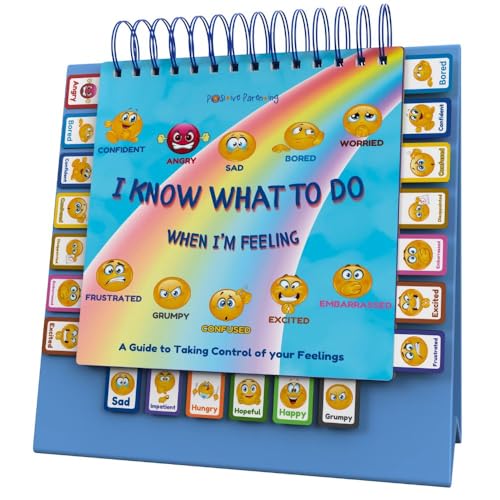
Thought-Spot I Know What to Do Flipbook | Emotions Wheel & Feelings Chart | Emotional Regulation Tool for Home, Class, or Calm Down Corner | Helps Kids Learn Coping Skills | Autism Must-Have
Understand & Express Everyday Feelings: Visually guides children ages 3–5 to recognize and name their emotions. This flipbook…
As an affiliate, we earn on qualifying purchases.
As an affiliate, we earn on qualifying purchases.

Mind Brain Emotion 52 Essential Coping Skills Cards – Self Care Exercises for Stress and Social Anxiety Relief – Resilience, Emotional Agility, Confidence Therapy Games for Teens, Adults
Build skills, reduce stress: Powerful CBT, meditation, and somatic exercises to become organized, focused, confident. Overcome anxiety, anger,…
As an affiliate, we earn on qualifying purchases.
As an affiliate, we earn on qualifying purchases.