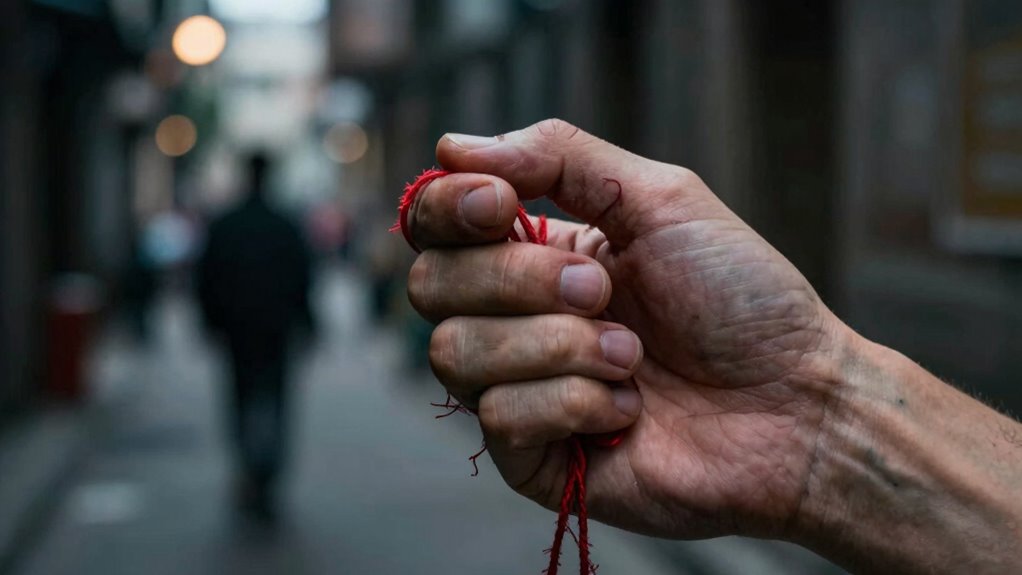

Love addiction often looks like loyalty because emotional dependency makes you cling to someone, even when it causes pain. You might mistake staying through hurt as devotion, but it’s driven by fear of loneliness or abandonment. Past experiences with insecure attachment can reinforce this cycle, making it hard to see the difference between genuine love and an unhealthy need to stay close. Keep exploring how these patterns develop to discover ways to break free.
Key Takeaways
- Love addiction stems from emotional dependency, causing individuals to stay loyal despite pain or unhealthy dynamics.
- Misinterpreting loyalty as devotion leads to enduring suffering rather than mutual growth.
- Attachment insecurities drive clinginess, making loyalty feel like a necessary sacrifice.
- Cultural norms often equate loyalty with endurance, masking underlying dependency issues.
- Recognizing loyalty as a sign of emotional dependency helps in breaking free and fostering healthier relationships.
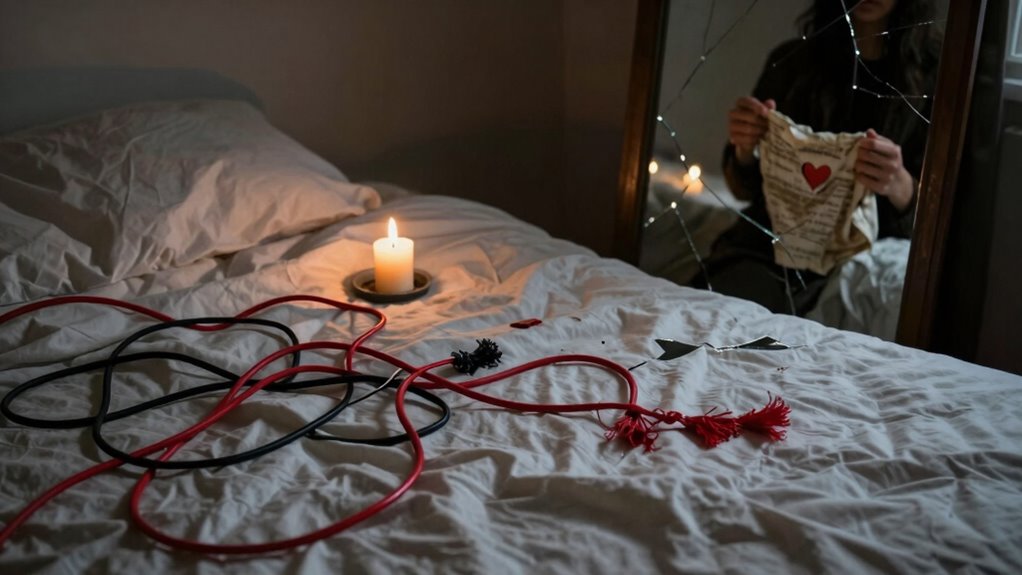
Love can be a powerful force, but for some, it becomes a painful addiction that’s hard to break free from. When this happens, what might seem like loyalty often masks deeper issues rooted in emotional dependency and attachment patterns. You may find yourself clinging to someone, convinced that your worth hinges on their presence, even when the relationship causes more pain than joy. This pattern isn’t about genuine connection; it’s about a desperate need to fill an emotional void. Your attachment patterns, shaped by past experiences, influence how you seek love and reassurance. If you grew up in an unstable or neglectful environment, you might develop insecure attachment styles that make you crave constant closeness, mistaking it for love. Over time, this craving becomes a relentless pursuit—what looks like loyalty is really a compulsive attempt to avoid loneliness or abandonment.
You might convince yourself that sticking around, even through hurt, is a show of devotion. But what’s really happening is that your emotional dependency drives you to prioritize another person’s needs over your own well-being. You might dismiss red flags or justify unhealthy behaviors because you’ve linked your sense of security to the relationship. Your attachment patterns, especially if they’re anxious or avoidant, reinforce this cycle. Anxiety about losing your partner fuels your need for reassurance, leading to obsessive behaviors or emotional clinginess. Conversely, avoidant tendencies might cause you to stay in a relationship out of fear of being alone, convincing yourself that enduring pain is a form of loyalty. Recognizing these patterns can help you understand how attachment styles influence your relationship choices. Additionally, the cultural concepts of loyalty often reinforce this cycle, making it harder to break free from unhealthy patterns. It’s important to understand how cultural influences shape our perceptions of what true devotion entails.
This emotional dependency makes it difficult to see love clearly. Instead of a mutual, healthy connection, you’re caught in a cycle where your self-worth depends on the other person’s approval. The perception of loyalty can be distorted by societal and cultural influences that emphasize sacrifice and endurance as signs of devotion. The more you invest, the harder it becomes to step away, because your attachment patterns have wired you to believe that love equals sacrifice or suffering. You might also overlook how regional flavors and cultural influences shape perceptions of loyalty and devotion, often blurring the lines between genuine affection and obligation. You might interpret your unwavering presence as loyalty, but it’s often a distorted version of devotion born from unresolved emotional needs. Recognizing these patterns is the first step toward breaking free. Genuine love involves balance, self-respect, and emotional independence—not relentless attachment that disguises itself as loyalty. Once you understand that your emotional dependency is driving this destructive cycle, you can work toward healing and cultivating healthier relationships.

Overcoming Emotional Dependency: Go from seeking reassurance to being self-sufficient, in control and feeling great about yourself.
As an affiliate, we earn on qualifying purchases.
As an affiliate, we earn on qualifying purchases.
Frequently Asked Questions
Can Love Addiction Be Diagnosed Clinically?
Yes, love addiction can be diagnosed clinically. A mental health professional assesses your behaviors, thoughts, and feelings to determine if you meet the criteria for love addiction. They look for patterns like compulsive need for love, difficulty ending relationships, and emotional dependence. Through interviews and standardized tools, a clinical diagnosis helps you understand your condition and guides effective treatment options, ensuring you get the support you need.
What Are Common Signs of Love Addiction?
You often show love obsession and attachment dependency if you constantly seek reassurance, feel anxious when apart from your partner, or struggle to set boundaries. You might prioritize their needs over yours, stay in unhealthy relationships, or feel empty without their love. These signs indicate love addiction, where attachment dependency fuels intense emotions. Recognizing these behaviors helps you understand that your attachment might be more about dependency than genuine love.
How Does Love Addiction Differ From Healthy Attachment?
In a heartbeat, love addiction differs from healthy attachment because it’s rooted in emotional dependency and insecure attachment patterns. Instead of mutual respect and trust, you might chase validation or cling excessively, mistaking loyalty for love. Unlike healthy attachment, which fosters independence and trust, love addiction traps you in a cycle of neediness, making you feel like you’re living in a Jane Austen novel—hopelessly devoted but ultimately unfulfilled.
Is Love Addiction Linked to Other Mental Health Issues?
Yes, love addiction is often linked to other mental health issues. You might experience emotional dependency, where your happiness hinges on your partner, and relationship obsession, making it hard to focus on yourself. These patterns can lead to anxiety, depression, or low self-esteem. Recognizing these signs helps you understand that love addiction isn’t just about relationships but can also impact your overall mental well-being.
Can Love Addiction Be Cured Without Therapy?
Yes, you can work on overcoming love addiction without formal therapy, but it’s challenging. Address your emotional dependency and relationship obsession by setting healthy boundaries, practicing self-awareness, and developing self-care routines. Focus on building your self-esteem outside of the relationship and seek support from trusted friends or support groups. While therapy is helpful, actively working on these areas can help you break free from love addiction’s grip.

The Attachment Theory Workbook: Powerful Tools to Promote Understanding, Increase Stability, and Build Lasting Relationships (Attachment Theory in Practice)
As an affiliate, we earn on qualifying purchases.
As an affiliate, we earn on qualifying purchases.
Conclusion
Love addiction might feel like unwavering loyalty, but it’s often a painful illusion hiding deep insecurity. While you cling to someone, mistaking obsession for devotion, real love lets go of fear and finds strength in independence. You’re not just addicted to love—you’re craving acceptance. Embrace the discomfort, break free from the cycle, and discover that true loyalty begins with loving yourself first. Because, in the end, loving wisely is the bravest act of all.
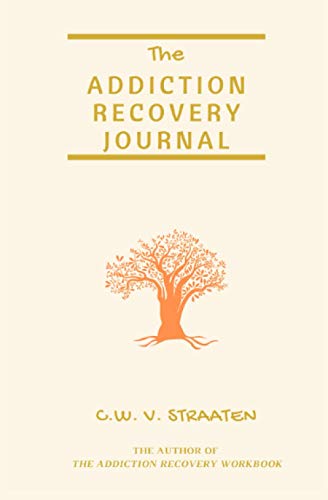
The Addiction Recovery Journal: 366 Days of Transformation, Writing & Reflection (Recovery Journal for Addiction)
As an affiliate, we earn on qualifying purchases.
As an affiliate, we earn on qualifying purchases.

The Set Boundaries Workbook: Practical Exercises for Understanding Your Needs and Setting Healthy Limits
As an affiliate, we earn on qualifying purchases.
As an affiliate, we earn on qualifying purchases.