

Your fear of being alone can fuel love addiction by making loneliness feel overwhelming and threatening. When you associate solitude with rejection or abandonment, you might cling more tightly to others to avoid that pain. This can lead to compulsive dependence and staying in unhealthy relationships. Recognizing your attachment style and shifting how you see loneliness can help reduce this cycle. If you want to explore ways to break free from this pattern, you’ll discover helpful insights below.
Key Takeaways
- Fear of being alone can lead individuals to seek constant reassurance and clinginess in relationships, fueling love addiction.
- Social isolation reinforces negative self-beliefs, increasing the desire for closeness to avoid feelings of worthlessness.
- Anxious attachment styles cause loneliness to feel threatening, prompting compulsive relationship behaviors to prevent abandonment.
- Avoidant attachment may dismiss loneliness but still drive dependency on others to maintain emotional security.
- Developing self-compassion and reframing solitude as growth opportunities can reduce fears that perpetuate love addiction.

Have you ever felt uneasy or anxious when spending time alone? That uncomfortable feeling often stems from deeper issues related to your attachment styles and how you handle social isolation. If you tend to seek constant reassurance or feel panicked when left without company, it’s likely your attachment style influences these reactions. For some, anxious attachment makes solitude feel threatening, as if being alone exposes vulnerabilities or fears of abandonment. Others with avoidant attachment might dismiss loneliness as a way to protect themselves from perceived emotional dependence. Social isolation, whether self-imposed or circumstantial, can intensify these feelings, reinforcing negative beliefs about yourself and your worth. When you’re alone and uncomfortable, you might start to believe that solitude equals loneliness or rejection, fueling a cycle of anxiety and craving for connection. Incorporating self-care practices can help mitigate these feelings and foster a healthier relationship with solitude.
This cycle can become a breeding ground for love addiction, where the need for closeness becomes compulsive. You might find yourself desperately seeking out relationships or staying in unhealthy ones just to avoid the discomfort of being alone. The fear of social isolation, even when it’s only temporary or self-chosen, can drive you to cling tightly to partners or friends, sometimes at the expense of your own well-being. The core issue often lies in how you’ve learned to attach to others and how you interpret being alone. If your early experiences taught you that love or attention are essential for feeling safe or valued, you might develop a dependency that’s difficult to break free from. This dependency can manifest as love addiction, where the focus shifts from genuine connection to avoiding loneliness at any cost.
Understanding your attachment style is *fundamental* in addressing this fear. For example, if you have anxious attachment, you might constantly seek reassurance and fear abandonment, making solitude feel unbearable. Conversely, if you have avoidant tendencies, you might dismiss loneliness altogether, convincing yourself that independence is healthier—even if deep down, you crave connection. Recognizing how social isolation impacts you helps you identify patterns that keep you trapped in this cycle. You may notice that avoiding solitude altogether isn’t the answer, but rather learning to sit with your feelings of loneliness and building healthier ways to connect. Overcoming the fear of being alone involves reframing your thoughts about social isolation and attachment, fostering self-compassion, and developing a sense of security within yourself. It’s a journey toward understanding that solitude can be a space for growth, not just a source of discomfort.
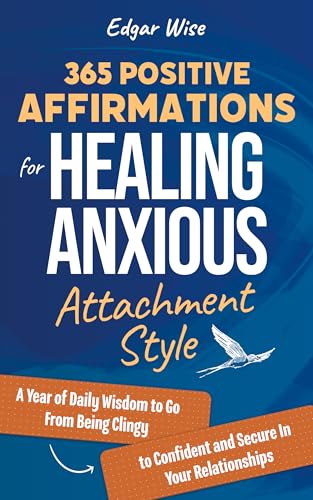
365 Positive Affirmations for Healing Anxious Attachment Style: A Year of Daily Wisdom to Go From Being Clingy to Confident and Secure In Your Relationships (Relationship Wellness Book 3)
As an affiliate, we earn on qualifying purchases.
As an affiliate, we earn on qualifying purchases.
Frequently Asked Questions
Can Loneliness Lead to Unhealthy Obsession in Relationships?
Yes, loneliness can lead to unhealthy obsession in relationships. When you have anxious attachment styles, you might become emotionally dependent, seeking constant reassurance. This dependency intensifies feelings of loneliness, making you cling to your partner excessively. As a result, your emotional needs overshadow healthy boundaries, fueling an unhealthy obsession. Recognizing these patterns helps you address attachment issues and develop healthier ways to cope with loneliness.
How Does Fear of Solitude Influence Relationship Choices?
Your fear of solitude influences your relationship choices by often leading you to seek constant reassurance and connection. This stems from attachment styles shaped by past experiences, making you more prone to cling to partners. Social isolation amplifies this effect, causing you to prioritize companionship over healthy boundaries. As a result, you may stay in unhealthy relationships or rush into new ones, trying to fill the void caused by loneliness and fear of being alone.
Are There Specific Signs Indicating Love Addiction Due to Loneliness?
You might notice signs like clinging excessively, feeling anxious when apart, or sacrificing your needs to maintain a relationship. These are red flags of love addiction fueled by loneliness, often rooted in insecure attachment styles. Emotional dependency turns love into a safety net, making you fear solitude more than genuine connection. Recognizing these signs helps you break free from the cycle, fostering healthier relationships rooted in mutual respect and self-love.
What Are Effective Strategies to Overcome the Fear of Being Alone?
To overcome your fear of being alone, start practicing mindfulness to stay present and reduce anxiety. Incorporate self-compassion techniques to nurture your self-esteem and accept solitude as a healthy part of life. Engage in activities that bring you joy and build independence. Over time, these strategies help you feel more comfortable alone, diminishing the need to seek love addiction as a way to escape loneliness.
Is Loneliness More Common in Certain Age Groups or Demographics?
Loneliness often hits hardest in certain age groups and demographics, like a silent storm affecting social isolation levels differently. You may find teens and seniors more vulnerable, as they face unique challenges in forming connections. Demographic disparities, such as cultural background or socioeconomic status, influence feelings of solitude. Recognizing these patterns helps you understand where loneliness strikes most, offering a chance to build bridges and foster genuine connections instead of succumbing to loneliness’s shadow.

Loneliness – Guided Meditation
As an affiliate, we earn on qualifying purchases.
As an affiliate, we earn on qualifying purchases.
Conclusion
If you’re afraid of being alone, it’s like wandering through a shadowy forest, clutching a fragile lantern that barely lights your path. Loneliness can whisper seductive promises, pulling you into an endless dance of love addiction. But remember, true happiness blooms within, like a radiant sunrise breaking through dark clouds. Embrace your own company, let your light grow brighter, and soon you’ll find that you’re enough to fill the universe inside you.

The Self-Compassion Journal: Prompts and Practices to Inspire Kindness in Your Thoughts, Emotions, and Actions
As an affiliate, we earn on qualifying purchases.
As an affiliate, we earn on qualifying purchases.
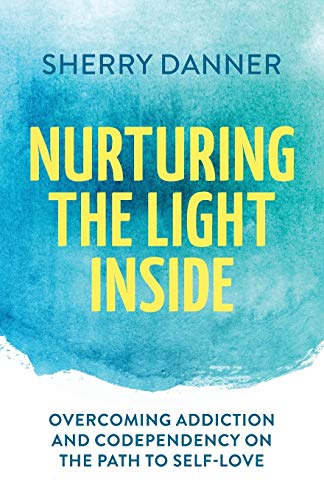
Nurturing the Light Inside: Overcoming Addiction and Codependency on the Path to Self-Love
As an affiliate, we earn on qualifying purchases.
As an affiliate, we earn on qualifying purchases.