
To break the cycle of love addiction, start by practicing daily self-awareness—notice your thoughts, feelings, and triggers without judgment. Set clear boundaries around social media and communication, giving yourself space to focus on self-care and personal growth. Incorporate mindfulness activities like meditation or hobbies to ground yourself in the present. Celebrate small victories and track your progress to stay motivated. Keep exploring effective habits to help you build healthier relationships and nurture your independence.

Get gifts for the two of you delivered free with Prime
- Fast, free delivery on millions of items
- Prime Video, Amazon Music and more included
- Member-only deals all year
Key Takeaways
- Set daily boundaries for social media and communication to reduce obsessive checking and emotional dependency.
- Practice mindfulness and grounding exercises to stay present and diminish anxious thoughts about the relationship.
- Engage in self-care activities that nurture independence, such as hobbies, exercise, or personal development.
- Maintain a journal to track emotional triggers, progress, and setbacks, fostering awareness and accountability.
- Focus on reconnecting with friends and social networks to build a support system outside the romantic relationship.
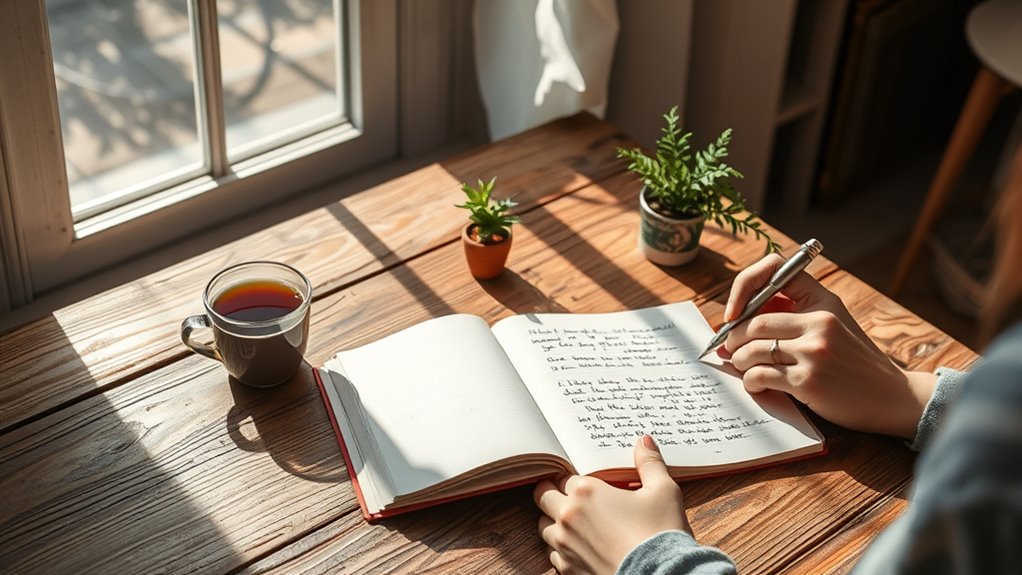
Love addiction can quietly dominate your life, feeding on patterns of obsession and dependency that keep you stuck in unhealthy cycles. It’s easy to fall into the trap of constantly seeking validation through relationships, often sacrificing your own well-being in the process. To break free, you need daily habits that challenge these destructive patterns and help you regain control over your emotional health. The journey begins with awareness—pay attention to your thoughts, feelings, and behaviors. Notice when you’re obsessing over someone or feeling anxious about being alone. Recognizing these patterns is the first step toward change.
Next, create a routine of setting boundaries. This might mean limiting how often you check your phone or social media for updates about your partner, or deciding not to initiate contact after certain hours. Boundaries help you detach from obsessive thoughts and reduce the emotional dependency that fuels love addiction. Developing a habit of self-care is equally important. Dedicate time each day to activities that nurture your mind and body—exercise, meditation, hobbies, or simply resting. These practices ground you in the present moment and remind you that your happiness doesn’t depend solely on someone else’s attention or affection.
Practicing mindfulness can be particularly powerful. When feelings of longing or insecurity arise, pause and observe them without judgment. Ask yourself what you need in that moment—maybe reassurance, comfort, or space. By acknowledging your emotions instead of suppressing or ignoring them, you weaken love addiction’s hold. Incorporate daily affirmations that reinforce your self-worth. Remind yourself that you are deserving of love and respect, regardless of your relationship status. This shift in mindset encourages healthier attachment and reduces the need for constant validation.
Another effective habit involves redirecting your focus. Instead of dwelling on what you lack or what’s missing in your life, engage in activities that build your confidence and independence. Volunteer, learn a new skill, or reconnect with friends—anything that fosters a sense of purpose and self-sufficiency. Over time, these habits help you develop a more balanced view of love and relationships, emphasizing your own growth rather than your dependence on someone else. Incorporating healthy relationship habits can further support your journey toward emotional independence.
Finally, establish a daily reflection practice. Journaling about your feelings, progress, and setbacks helps you stay honest with yourself and track your journey. Celebrate small victories, like resisting the urge to check your phone excessively or setting a healthy boundary. Remember, breaking the cycle of love addiction isn’t about perfection; it’s about consistency and commitment to your well-being. Over time, these daily habits will gradually shift your mindset, empowering you to build healthier, more fulfilling relationships rooted in self-respect and genuine connection.
guided meditation for emotional healing
As an affiliate, we earn on qualifying purchases.
As an affiliate, we earn on qualifying purchases.
Frequently Asked Questions
Can Love Addiction Be Completely Cured With Daily Habits?
Yes, love addiction can be markedly managed with daily habits. By establishing routines like self-care, setting healthy boundaries, and practicing mindfulness, you help reshape your emotional responses. Consistently focusing on personal growth reduces dependency on love for validation. While it may not be entirely eradicated overnight, these habits foster healthier relationships and inner stability, making it possible to break free from love addiction over time.
Are There Specific Habits for Different Types of Love Addiction?
Yes, different types of love addiction benefit from tailored habits. For example, if you’re addicted to validation, practicing self-compassion and setting boundaries can help. If attachment issues drive your addiction, mindfulness and emotional regulation exercises are effective. Studies show that personalized approaches increase recovery success by 30%. You can start by identifying your specific patterns and adopting habits that promote independence and emotional resilience, gradually breaking free from the cycle.
How Long Does It Typically Take to See Progress?
You might start noticing progress within a few weeks, but it really varies based on your consistency and the severity of your addiction. If you stick to daily habits like self-care, setting boundaries, and practicing mindfulness, you could see changes in a month or two. Remember, healing is a gradual process, so stay patient and committed, and you’ll gradually build healthier patterns and relationships over time.
Can Loved Ones Help Support Someone Trying to Break the Cycle?
Yes, loved ones can play a vital role in supporting your efforts to break the cycle. They can offer encouragement, listen without judgment, and help you stay accountable. By understanding your journey, they create a safe space for growth. Their consistent support boosts your confidence, reduces feelings of isolation, and helps you stay committed. Remember, your loved ones’ involvement can make a significant difference in your healing process.
What Are Common Signs That Habits Are Failing to Reduce Love Addiction?
Like a fragile boat in stormy seas, your habits can falter if love addiction persists. You might notice clinginess, intense jealousy, or feelings of emptiness despite your efforts. When you chase validation obsessively or feel anxious when alone, your habits aren’t anchoring you anymore. These signs show your routines aren’t breaking the cycle; it’s time to reevaluate and strengthen your inner foundation for lasting change.
self-care journal for mental health
As an affiliate, we earn on qualifying purchases.
As an affiliate, we earn on qualifying purchases.
Conclusion
So, as you break these habits, you might find love slipping away—ironically, that’s the point. Instead of clinging desperately, you create space for genuine connection to grow. It’s funny how starving love addiction means feeding yourself independence and self-respect, not desperation. When you stop obsessing over love, you might just find it waiting patiently behind your newfound freedom. Sometimes, the best way to hold on is to let go.
As an affiliate, we earn on qualifying purchases.
As an affiliate, we earn on qualifying purchases.
Fall Picks
fall essentials
As an affiliate, we earn on qualifying purchases.