

The boundary love addicts most need is the one that affirms your self-worth and shields your emotional health. You often sacrifice your needs and ignore limits to keep loved ones close, but true self-respect starts with setting clear, healthy boundaries. By valuing yourself enough to protect your emotional well-being, you break free from dependence and create balanced, genuine relationships. Want to discover how to strengthen this essential boundary and nurture your self-worth? Keep exploring to find out more.
Key Takeaways
- Establishing and maintaining personal boundaries to prioritize self-care over sacrificing for others.
- Recognizing and challenging negative beliefs that diminish self-worth and lead to boundary neglect.
- Developing internal self-respect to resist emotional dependency and external validation.
- Clearly communicating limits to foster healthier, balanced relationships.
- Viewing boundaries as essential acts of self-love that protect emotional well-being.

If you find yourself repeatedly sacrificing your boundaries in the name of love, it’s a clear sign you’re a boundary love addict. You might prioritize others’ needs over your own, hoping that sacrificing your comfort or desires will keep the relationship afloat. This pattern often stems from emotional dependency—you cling to the idea that love and approval come from constantly giving in, even when it costs you your well-being. The core issue isn’t just about setting boundaries; it’s about developing a strong sense of self worth that can stand firm against external pressures. When your self worth is rooted in validation from others, you’re more likely to overlook your limits and dismiss your feelings to maintain connection.
The most essential boundary you need isn’t just about saying “no”—it’s about nurturing a deep, unwavering sense of self worth. This internal strength acts as a shield against emotional dependency, because when you value yourself enough, you don’t rely on others’ approval to feel secure. You recognize that your worth isn’t dictated by how much you bend or sacrifice. Instead, you see your boundaries as fundamental expressions of self-respect and self-care. Building this self worth involves challenging negative beliefs about yourself and actively affirming your value outside of relationships. It’s also important to understand how emotional dependency can influence your behavior and hinder your growth. Recognizing the role of self-esteem can help you develop healthier patterns of self-acceptance and independence, especially by understanding how boundaries serve as a vital part of your emotional health. Developing a strong sense of self-worth also involves recognizing and addressing the external validation that may be shaping your self-image. Cultivating self-awareness can help you identify when your self-esteem is being overly influenced by external factors.
Nurture your self-worth; boundaries reflect self-respect and protect your emotional well-being.
Developing your self worth isn’t an overnight process; it requires intentional effort and reflection. You need to identify the ways you’ve been tying your value to external validation and work to reframe those thoughts. Practice affirmations that reinforce your intrinsic worth, and remind yourself that setting boundaries is a healthy way to protect your emotional well-being. When you prioritize your self worth development, boundaries become less about control and more about honoring your identity. As your confidence grows, you’ll find it easier to communicate your limits clearly, without guilt or fear of losing love.
Ultimately, the boundary love addict’s most fundamental need is to cultivate a resilient sense of self. This isn’t just about avoiding boundary violations but about creating a foundation where your emotional dependency diminishes, and your self worth flourishes. When you see your boundaries as a reflection of your self-respect, you empower yourself to love without losing yourself. This shift not only strengthens your relationships but also frees you from the cycle of sacrifice and dependence, allowing genuine, balanced love to thrive.

Self-Love Workbook for Women: Release Self-Doubt, Build Self-Compassion, and Embrace Who You Are (Self-Love for Women)
As an affiliate, we earn on qualifying purchases.
As an affiliate, we earn on qualifying purchases.
Frequently Asked Questions
How Do Boundary Love Addicts Recognize Their Own Unmet Needs?
You recognize your unmet needs by developing emotional awareness and paying attention to your feelings. When you notice feelings of emptiness, resentment, or anxiety, it’s a sign that your needs aren’t being met. Vulnerability recognition helps you identify what you’re truly craving, whether it’s respect, intimacy, or independence. By tuning into these emotions, you can begin to set boundaries that honor your needs, fostering healthier relationships and self-awareness.
Can Boundary Setting Improve Self-Esteem in Love Addicts?
Setting boundaries acts like a sturdy fence, shielding your emotional garden. When you establish clear limits, you foster emotional independence and nurture self-respect. This process boosts your self-esteem by affirming your worth and teaching you to prioritize your needs. As you grow more confident in your boundaries, you’ll find it easier to resist unhealthy attachments, ultimately creating a healthier, more balanced love life where you value yourself just as much as others.
What Are Common Obstacles to Establishing Healthy Boundaries?
You might find emotional dependency and fear of abandonment are common obstacles to establishing healthy boundaries. These feelings make it hard to say no or prioritize your needs, fearing rejection or loneliness. You may worry that setting boundaries will push someone away or cause conflict. To overcome these obstacles, recognize your worth, practice self-awareness, and remind yourself that healthy boundaries protect your well-being and foster genuine connections.
How Do Boundaries Affect Long-Term Relationship Satisfaction?
Boundaries are like emotional bouncers, keeping your relationship from turning into a never-ending episode of codependency patterns. When you set clear limits, you help prevent emotional triggers from spiraling out of control. This boosts long-term satisfaction, making your relationship healthier and more balanced. Without boundaries, you risk losing yourself and reinforcing unhealthy patterns. So, it’s your secret weapon for lasting happiness—because nobody wants to be trapped in an emotional soap opera.
Are There Specific Signs Indicating Boundary Violation Awareness?
Yes, there are clear signs you might notice when boundary violations occur, especially if emotional dependency increases or boundary enforcement weakens. You may feel overwhelmed, anxious, or resentful, signaling that your needs aren’t being respected. You might also notice recurring conflicts or feeling dismissed. Recognizing these signs helps you reinforce your boundaries, prevent emotional dependency from taking over, and maintain healthier, more balanced relationships.
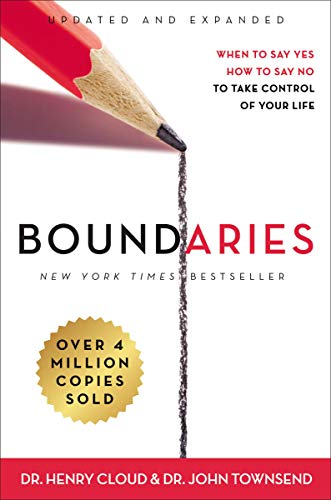
Boundaries Updated and Expanded Edition: When to Say Yes, How to Say No To Take Control of Your Life
As an affiliate, we earn on qualifying purchases.
As an affiliate, we earn on qualifying purchases.
Conclusion
Remember, setting boundaries isn’t just about drawing lines; it’s about creating a safe haven where love can flourish without drowning in chaos. Think of boundaries as the lighthouse guiding your ship through stormy waters—steadfast and illuminating the way. When you honor your limits, you’re not shutting love out, but opening the door to healthier, more fulfilling connections. Embrace your boundaries, and watch your capacity to love grow stronger, brighter, and more radiant than ever before.

Coping Skills Cards for Anxiety & Stress Relief – Mindfulness, Meditation & Self-Care Tools for Trauma, BPD, DID, PTSD | Mental Health Therapy Gift for Adults & Teens
Helps Manage Emotional Distress and Crisis: Specifically designed to alleviate panic attacks, flashbacks, trauma recollections, anxiety, stress, dissociation,…
As an affiliate, we earn on qualifying purchases.
As an affiliate, we earn on qualifying purchases.
Self-Love Workbook for Women: Release Self-Doubt, Build Self-Compassion, and Embrace Who You Are (Self-Love for Women)
As an affiliate, we earn on qualifying purchases.
As an affiliate, we earn on qualifying purchases.