

Feeling unable to let go after betrayal often comes from emotional dependence and unprocessed pain that keep you fixated on the trauma. You might cling to hope for change or reassurance, making it hard to break free. Trust is slow to rebuild, and your self-worth may become tied to the relationship. To move forward, you need to focus on healing yourself first. If you want to explore how to start this process, keep going to find out more.
Key Takeaways
- Emotional dependence on the relationship makes it difficult to let go, as validation and reassurance feel intertwined with self-worth.
- Betrayal shatters trust, leading to obsessive thoughts and replaying moments, which reinforce attachment and hinder emotional detachment.
- Fear of loneliness and hope for reconciliation create a psychological loop, making it hard to release the hope for change.
- Healing requires rebuilding self-trust and independence, but emotional reliance on the partner often delays this process.
- Persistent emotional patterns and vulnerability fears trap individuals in a cycle of addiction to the familiar, despite betrayal.

Have you ever found yourself unable to let go after discovering your partner cheated? It’s a gut-wrenching experience that leaves you feeling lost, betrayed, and desperate for answers. You might find yourself obsessing over what went wrong, replaying every moment in your head, and clinging to the hope that things can somehow go back to the way they were. This cycle often stems from deep emotional dependence, where your sense of worth and happiness has become intertwined with your relationship. The pain of betrayal hits hard because it feels like your entire emotional foundation has been shattered, leaving you craving reassurance and connection more than ever.
In these moments, trust rebuilding becomes essential, but it’s also one of the hardest hurdles to overcome. Trust isn’t restored overnight; it’s a slow, deliberate process that requires genuine effort from both partners. You might feel tempted to keep holding on, hoping that your partner will change or that the pain will fade over time. However, true healing begins when you recognize that emotional dependence might be fueling your inability to let go. Instead of relying solely on your partner to mend the wounds, you need to turn inward and work on rebuilding your own trust in yourself. That means acknowledging your feelings without judgment, understanding that your pain is valid, and giving yourself permission to heal at your own pace.
Rebuilding trust involves clear communication, setting boundaries, and being honest about your fears and needs. It’s about creating a safe space where both of you can express vulnerability without judgment. But it also requires patience; trust cannot be rushed. As you work through this process, you may find that your emotional dependence begins to loosen its grip. You start to realize that your happiness isn’t solely dependent on your partner’s actions or apologies but on your ability to nurture your own emotional well-being. This shift allows you to regain a sense of control, helping you to detach from the cycle of obsession and clinginess. Recognizing that relationships often involve emotional dynamics can help you understand why letting go is so difficult and highlight the importance of focusing on your personal healing journey.
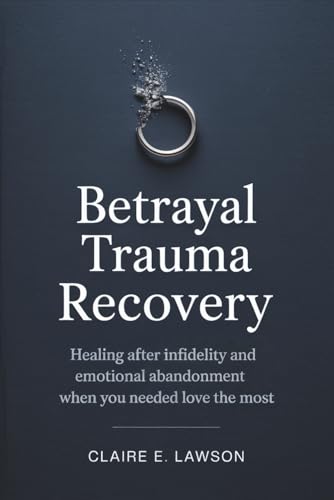
Betrayal Trauma Recovery: Healing After Infidelity and Emotional Abandonment When You Needed Love the Most
As an affiliate, we earn on qualifying purchases.
As an affiliate, we earn on qualifying purchases.
Frequently Asked Questions
How Can I Rebuild Trust After Betrayal?
To rebuild trust after betrayal, focus on trust recovery by practicing open communication skills. Share your feelings honestly and listen actively to your partner’s perspective. Set clear boundaries and be patient as trust develops gradually. Consistent honesty, transparency, and showing genuine commitment help restore confidence. Remember, rebuilding trust takes time and effort from both of you, but with dedication, you can heal and strengthen your relationship.
Is It Possible to Forgive a Cheating Partner?
Yes, you can forgive a cheating partner, but it’s a personal journey. You might struggle with emotional manipulation or attachment styles that make it hard to let go. Forgiveness doesn’t mean forgetting, but rather understanding your feelings and setting boundaries. Take time to process your emotions, seek support, and focus on healing. Remember, forgiveness is for your peace, not just their redemption.
When Should I Leave an Unfaithful Relationship?
Ever wonder when it’s time to leave an unfaithful relationship? If emotional manipulation and codependency patterns keep you stuck, it’s a sign. You should exit when trust is shattered repeatedly, and your well-being is compromised. Staying only fuels pain and dependency. You deserve a healthy, respectful partnership. Trust your instincts—if love turns toxic and apologies don’t heal the wounds, it’s time to prioritize yourself and walk away.
How Do I Handle Emotional Dependency on a Cheater?
To handle emotional dependency on a cheater, recognize your emotional attachment and break codependency patterns. Focus on building self-awareness, set firm boundaries, and prioritize your well-being. Seek support from friends, family, or a therapist to process your feelings and regain independence. Remember, overcoming this dependency takes time; be patient with yourself as you work toward healthier relationships and self-love.
What Are the Signs of Emotional Addiction to Betrayal?
You notice emotional addiction to betrayal when you’re trapped in emotional manipulation, feeling compelled to seek validation from your cheater even after hurtful actions. You might display codependency patterns, prioritizing their needs over your own, despite ongoing pain. Signs include craving their attention, feeling anxious without them, and repeatedly forgiving betrayal. Recognizing these patterns helps you break free and regain control, instead of staying stuck in a cycle of dependence.

The 12 Step Journal: Using the Tools of the Program, One Day at a Time, for Recovery and Serenity
FAST TRACK YOUR ADDICTION RECOVERY with this practical and guided sobriety journal. Gain freedom from addiction, and stay…
As an affiliate, we earn on qualifying purchases.
As an affiliate, we earn on qualifying purchases.
Conclusion
You might feel stuck, like you can’t move on after betrayal, but understanding your attachment is key. Imagine Sarah, who kept hoping her cheating partner would change, ignoring red flags. Her attachment kept her clinging, despite pain. Remember, healing begins when you recognize your worth and break free from the cycle. You deserve trust and respect—don’t let betrayal define your story. Let go, heal, and open yourself to healthier love ahead.

Rebuilding Trust: Guided Therapy Techniques and Activities to Restore Love, Trust, and Intimacy in Your Relationship
As an affiliate, we earn on qualifying purchases.
As an affiliate, we earn on qualifying purchases.

The Set Boundaries Workbook: Practical Exercises for Understanding Your Needs and Setting Healthy Limits
As an affiliate, we earn on qualifying purchases.
As an affiliate, we earn on qualifying purchases.