

To manage performance anxiety after cheating, start by openly communicating with your partner to create trust and understanding. Focus on building self-confidence through positive self-talk and self-compassion, and try relaxation techniques like mindfulness to stay present. Small steps like non-sexual touch or focusing on foreplay can ease tension. Patience and persistence are key—soon, you’ll discover more ways to reconnect and regain confidence in your intimacy.
Key Takeaways
- Foster open, honest communication with your partner to create a trusting and reassuring environment.
- Practice self-compassion and positive self-talk to rebuild confidence and reduce self-criticism.
- Focus on non-sexual touch and gradual intimacy to ease performance pressure and strengthen emotional bonds.
- Recognize and manage emotional triggers like guilt or shame through mindfulness and emotional awareness.
- Be patient and persistent, celebrating small progress to gradually overcome performance anxiety.

Experiencing performance anxiety in the bedroom after cheating is a common challenge that many people face. You might find yourself overwhelmed with guilt, shame, or fear of being judged, which can make intimacy feel even more intimidating. To navigate this, focusing on effective communication strategies is essential. Openly talking with your partner about your feelings helps create a safe space where honesty can foster understanding. Letting your partner know what you’re experiencing allows them to offer reassurance, patience, and support, easing your anxiety. Remember, communication isn’t just about words; it’s about listening and being receptive to your partner’s responses as well. This mutual understanding can considerably reduce the pressure you feel during intimacy.
Alongside communication, self-confidence building plays an essential role in overcoming performance anxiety. After cheating, your self-esteem might take a hit, making it hard to feel confident in your sexual abilities. To rebuild this confidence, start by focusing on self-compassion. Remind yourself that everyone makes mistakes and that your worth isn’t defined solely by your past actions. Engage in positive self-talk and celebrate small successes, like initiating intimacy or expressing your needs. Practice mindfulness techniques to stay present during intimate moments, which can help keep your mind from spiraling into negative thoughts. The more you reinforce your self-worth outside the bedroom, the easier it becomes to relax and enjoy intimacy without overthinking.
It’s important to remember that healing isn’t instantaneous. Building trust, both with yourself and your partner, takes time and consistent effort. Incorporate small, manageable steps to regain confidence—such as focusing on foreplay or non-sexual touch initially—before progressing to more intimate acts. Celebrate these milestones, and don’t be too hard on yourself if progress feels slow. Your confidence will grow as you practice these strategies and receive reassurance from your partner. Combining open communication with deliberate self-confidence building empowers you to face performance anxiety head-on, creating a more relaxed and fulfilling sexual experience. Ultimately, patience and persistence are your allies, helping you move past the guilt and fear to reconnect intimately with yourself and your partner.

Mindfulness Meditations for Anxiety: 100 Simple Practices to Find Peace Right Now
As an affiliate, we earn on qualifying purchases.
As an affiliate, we earn on qualifying purchases.
Frequently Asked Questions
How Long Does It Typically Take to Recover Confidence After Cheating?
Recovery time varies, but with consistent effort, you can start rebuilding confidence in a few months. Focus on self-esteem rebuilding by practicing positive self-talk and setting realistic goals. Use communication strategies to openly discuss feelings and concerns with your partner, which fosters trust. Remember, patience and honesty are key. Over time, as you work through these steps, your confidence will gradually strengthen, making intimacy more comfortable again.
Can Therapy Directly Improve Bedroom Performance Post-Cheating?
Yes, therapy can directly improve your bedroom performance after cheating. Through therapeutic techniques, you’ll work on emotional healing, addressing underlying issues like trust and self-esteem. Therapy provides a safe space to explore your feelings and develop coping strategies, which can boost confidence and reduce anxiety. By actively engaging in these techniques, you’ll notice improvements not just emotionally but also in your intimacy, helping you reconnect with your partner more confidently.
Are There Specific Exercises to Reduce Anxiety During Intimacy?
Yes, you can reduce anxiety during intimacy with specific exercises. Practice breathing exercises like deep, slow breaths to calm your nerves. Incorporate mindfulness techniques by focusing on the present moment and sensations, rather than worries or past mistakes. These practices help you stay grounded, ease performance anxiety, and rebuild trust. Regularly dedicating time to these exercises can make intimacy more relaxing and enjoyable, boosting your confidence over time.
How Do I Rebuild Trust and Intimacy Simultaneously?
Ironically, rebuilding trust and intimacy often feels like trying to juggle fire—impossible yet necessary. You do this through genuine emotional healing, openly sharing feelings, and practicing communication strategies that foster honesty and vulnerability. By consistently demonstrating reliability and empathy, you create a safe space where trust naturally grows. Over time, this honesty deepens intimacy, proving that even after betrayal, connection can be restored with patience and heartfelt effort.
Is Medication Recommended for Performance Anxiety After Infidelity?
Medication can be helpful for performance anxiety after infidelity, but you should consult a healthcare professional first to discuss medication safety and options like anxiety medications. They can assess your situation and determine if such treatments are appropriate. Remember, medication is just one part of recovery; combining it with therapy and open communication will give you the best chance to rebuild confidence and intimacy.
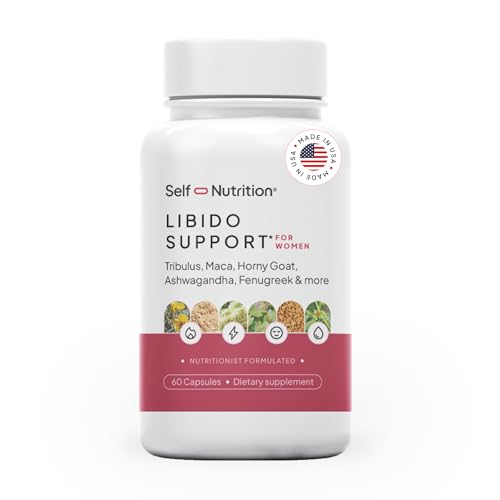
SELF NUTRITION Libido Support for Women, Sensitivity & Desire, Libido Booster for Women with Horny Goat Weed, maca, tribulus, ashwagandha & More – Vegan, USA, Keto, Third-Party Testing – 60 Capsules.
REIGNITE YOUR PASSION: Elevate your intimate moments with our all-natural libido booster, crafted to swiftly revitalize your drive…
As an affiliate, we earn on qualifying purchases.
As an affiliate, we earn on qualifying purchases.
Conclusion
Think of your relationship as a garden. After cheating, it’s like a storm has shaken the soil, leaving some roots exposed. But with patience, care, and honest communication, you can nurture it back to health. Just as a garden needs time to flourish again, rebuilding trust and easing performance anxiety takes patience. Keep tending to it daily, and soon, your connection will bloom brighter than ever, stronger and more resilient than before.

Sensual Massage Oil for Couples Sexual – Massage Oils for Date Night – Massage for Therapy – Aromatherapy Massage Oil Intimate Moments – Aphrodisiac Oil – 8.45 Fl Oz
Unlike others: You will love the passionate effect and unique scent of the sensual therapy massage oil for…
As an affiliate, we earn on qualifying purchases.
As an affiliate, we earn on qualifying purchases.

Rewire Your Anxious Brain: How to Use the Neuroscience of Fear to Overcome Anxiety, Panic, and Worry
As an affiliate, we earn on qualifying purchases.
As an affiliate, we earn on qualifying purchases.