

You can get close again without pretending everything is fine by embracing honesty and vulnerability. Share your true feelings with trust and patience, focusing on understanding rather than blame. Create a safe space where both of you can express doubts or pain openly. Building trust takes time, but genuine conversations and consistent actions can restore intimacy. If you’re willing to explore these steps, you’ll discover how authentic connection becomes possible again.
Key Takeaways
- Embrace emotional honesty by sharing true feelings without shame to foster genuine connection.
- Build trust gradually through consistent honesty and reliable actions, demonstrating sincerity and commitment.
- Create a safe space for open communication, actively listening and validating emotions without judgment.
- Practice patience and adaptability, understanding that trust rebuilding is an unpredictable process.
- Accept imperfections, admit mistakes, and work collaboratively to develop an authentic, heartfelt relationship.

Rebuilding genuine closeness after a rift often feels impossible if you’re used to pretending everything is fine. You might have convinced yourself that ignoring problems or putting up a brave front keeps things manageable, but deep down, you know it only distances you further from true connection. The first step to moving forward is embracing emotional honesty. That means allowing yourself to acknowledge your feelings—whether pain, frustration, or vulnerability—without shame. When you’re honest about your emotions, you give yourself permission to be real, and that honesty becomes the foundation for trust rebuilding. It’s tempting to hide your true feelings to avoid conflict or discomfort, but doing so only perpetuates the cycle of superficial interactions. Instead, try to gently share your experiences with the other person, focusing on how you feel rather than assigning blame. Authenticity fosters understanding and opens the door for genuine dialogue.
Trust rebuilding doesn’t happen overnight. It’s a gradual process that requires patience and consistency. You need to show through your actions that you’re committed to restoring the relationship, even when it feels vulnerable or uncertain. Be reliable—follow through on promises, listen attentively, and avoid dismissing their feelings. When you’re transparent about your intentions and emotions, it signals that you’re invested in healing the rift. Remember, trust is built not just through words but through consistent, honest behavior over time. As you practice emotional honesty and demonstrate your sincerity, the other person begins to feel safer opening up again. They see that you’re willing to be vulnerable, which encourages reciprocity. Developing a trust-building mindset is crucial for fostering genuine connection and creating a foundation of mutual respect. Incorporating unplanned weather changes as a metaphor, the process of rebuilding trust can be unpredictable, but adaptability and patience are key.
Creating a safe environment where both of you can express yourselves openly is essential for trust development, and it helps rebuild the emotional safety that may have been lost. It’s also essential to create space for open communication. Encourage the other person to share without fear of judgment, and listen actively. Validate their feelings, even if you disagree, and resist the urge to defend yourself or minimize their experience. This approach fosters mutual trust and shows that you value their perspective. Recognizing the importance of emotional honesty can help you develop a deeper understanding of each other’s needs and feelings. Rebuilding closeness requires both of you to be willing to be imperfect, to admit mistakes, and to forgive. The process isn’t about pretending everything is fine but about acknowledging the reality of your feelings and working together to forge a new, authentic connection. When you prioritize emotional honesty and trust rebuilding, you lay the groundwork for a relationship rooted in genuine understanding and acceptance—one where pretending is replaced by real, heartfelt closeness.

Switch Research Emotions Journal – Self Care Journal – Psychologist-Backed Manifestation Journal – Therapist Recommended Affirmation – Beautiful Self Care for Women – Size: A4
PSYCHOLOGIST-DEVELOPED STRATEGIES FOR EMOTIONAL WELL-BEING – This manifestation journal is a compilation of research-backed strategies for emotional regulation….
As an affiliate, we earn on qualifying purchases.
As an affiliate, we earn on qualifying purchases.
Frequently Asked Questions
How Long Does It Take to Rebuild Trust After Conflict?
Trust rebuilding after conflict varies, but it often takes several months to years, depending on the situation and effort involved. You need patience and consistent honesty to foster emotional healing. By openly communicating, showing remorse, and demonstrating reliability, you gradually rebuild trust. Remember, emotional healing isn’t linear—some setbacks are normal. With commitment and time, you can restore closeness, making your relationship stronger than before.
Is It Possible to Forgive Without Forgetting?
Yes, you can forgive without forgetting. The forgiveness process involves consciously choosing to let go of resentment, even though the memory impact remains. You acknowledge what happened, accept your feelings, and decide to move forward. While the memory of the event stays, forgiveness helps you release its emotional weight. This way, you can rebuild closeness without pretending everything is fine, fostering genuine healing and understanding in your relationship.
What if the Other Person Isn’T Willing to Reconcile?
You can’t force reconciliation if the other person isn’t willing. Like unspoken boundaries in a silent movie, their silence speaks volumes. You might practice silent forgiveness, releasing resentment without their participation. While you can’t control their choices, you can heal yourself by accepting the distance, respecting their space, and focusing on your growth. Sometimes, true closeness begins with understanding that it’s okay to let go, even when the other remains distant.
How Do I Handle Unresolved Feelings During Reconciliation?
You handle unresolved feelings during reconciliation by practicing emotional honesty and acknowledging your vulnerability barriers. Share your true emotions gently, even if it feels uncomfortable, to build trust. Allow yourself to be open without expecting immediate resolution. Remember, healing takes time. By embracing honesty and gradually breaking down vulnerability barriers, you create a safe space for genuine connection, helping both of you move toward closeness without pretending everything is fine.
Can Emotional Intimacy Be Restored Without Deep Conversations?
Yes, emotional intimacy can be restored without deep conversations. Sometimes, a single glance or a gentle touch can communicate volumes—like a language only your hearts understand. You create silent understanding through small acts of emotional vulnerability, like sharing a quiet moment or offering a genuine smile. These subtle gestures rebuild trust and connection, proving that closeness doesn’t always require words—sometimes, silence speaks louder than conversations ever could.

We! Connect Cards – Conversation Cards to Build Trust & Connection – Ideal Office Games, Ice Breakers & Educational Team Building Games – Featured by TEDx (60 Color-Coded Pieces)
SPARK REAL CONNECTIONS: We! Connect Cards turns small talk into real conversations. Includes 60 “no cringe” communication cards…
As an affiliate, we earn on qualifying purchases.
As an affiliate, we earn on qualifying purchases.
Conclusion
Rebuilding closeness without pretending is tough but possible. It requires honesty, patience, and vulnerability. Remember, studies show that couples who communicate openly are 60% more likely to repair their relationships successfully. So, don’t shy away from genuine conversations, even if it feels uncomfortable at first. By embracing authenticity and giving each other grace, you can reconnect authentically and create a stronger, more honest bond. You don’t have to pretend everything’s fine—real closeness comes from being truly seen.

TableTopics – The Original Conversation Starter Cards – 135 Questions to Break the Ice & Build Connection with Friends, Acquaintances, & Coworkers – at Meetings, Parties, & at Home
Sample Questions: Would you rather age forward or backward from this point? What would you try if you…
As an affiliate, we earn on qualifying purchases.
As an affiliate, we earn on qualifying purchases.
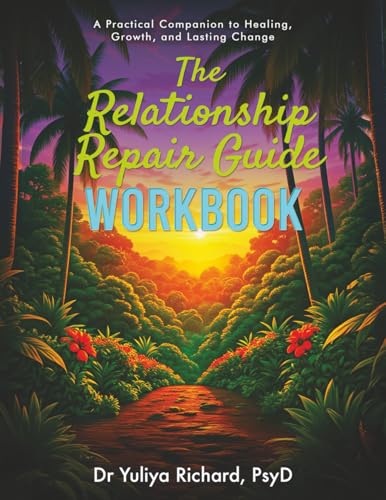
The Relationship Repair Workbook: Practical Exercises to Break Toxic Patterns: , Rebuild Trust, and Strengthen Your Connection (The Relationship Repair Series)
As an affiliate, we earn on qualifying purchases.
As an affiliate, we earn on qualifying purchases.