
When you avoid all touch after betrayal, emotional and physical distance grow stronger. You may feel more disconnected, making it harder to rebuild trust and intimacy. Touch, which once symbolized closeness, now reminds you of pain or loss, reinforcing feelings of numbness or detachment. This cycle can lead to increased loneliness and misunderstanding, making healing more challenging. If you stay on this path, deepening separation might become unavoidable, but understanding why this happens can help you find a way forward.
Key Takeaways
- Avoiding touch deepens emotional distance, making reconciliation more challenging.
- Physical withdrawal reinforces feelings of disconnection and emotional numbness.
- Suppressing touch can increase feelings of loneliness and misunderstanding between partners.
- It hinders trust rebuilding, as physical closeness is essential for emotional healing.
- Prolonged avoidance may lead to increased mental health issues like guilt, shame, or depression.

When a betrayed spouse begins to avoid all physical touch, it often signals deeper emotional pain and a desire to protect themselves from further hurt. Physical intimacy becomes a barrier, not because you don’t want closeness, but because the emotional wounds are too raw. You might find yourself pulling away from your partner, not intentionally, but because touch now feels threatening or overwhelming. This act of avoiding physical contact isn’t just about physical distance—it’s a defense mechanism rooted in emotional detachment. You may feel disconnected from your partner emotionally, and this detachment manifests physically as well. Your instinct is to shield yourself from potential rejection or pain, so you withdraw to maintain some sense of control.
Avoiding physical touch after betrayal is a protective response rooted in emotional pain and fear of further hurt.
This physical distancing can create a vicious cycle. The less you engage in touch, the more distant you feel from your partner, which only deepens the emotional divide. You might notice a growing numbness or apathy, as if your feelings have shut down to prevent further hurt. This emotional detachment isn’t intentional; it’s an unconscious response to the betrayal that has shattered your sense of safety. Touch, which once symbolized connection and love, now feels like a reminder of your betrayal or loss. As a result, you avoid it at all costs, even in situations where physical closeness might normally be comforting. Recognizing the importance of emotional safety can be a crucial step in healing.
This avoidance can also lead to increased feelings of guilt or shame, compounding your emotional struggle. The impact of this avoidance extends beyond your relationship’s intimacy. It can influence your overall emotional health, leaving you feeling isolated, lonely, and misunderstood. You might struggle to express your feelings or talk openly about your pain because the physical barrier has created a mental and emotional distance. This detachment can make it difficult to reconnect, even when you want to heal. You may feel torn between wanting closeness and fearing the vulnerability that comes with it. The more you avoid touch, the more you reinforce this emotional detachment, making it harder to rebuild trust and intimacy. Understanding why you pull away is essential. It’s a natural response to trauma, but it doesn’t have to define your future. Recognizing this pattern can help you and your partner work through the pain together. Healing requires patience and compassion, both for yourself and your partner. Re-establishing physical closeness might be uncomfortable at first, but with time and support, you can gradually re-engage, breaking the cycle of emotional detachment and physical distancing. This process can be supported by home organization strategies that create a safe, calming environment conducive to healing and reconnection. Creating a supportive environment can help reinforce your emotional safety and foster gradual reconnection. In doing so, you can begin to restore the trust and connection that betrayal has fractured.

Questions for Couples Journal: 400 Questions to Enjoy, Reflect, and Connect with Your Partner, Grow Closer & Build A Strong Partnership (Relationship Books for Couples)
As an affiliate, we earn on qualifying purchases.
As an affiliate, we earn on qualifying purchases.
Frequently Asked Questions
How Long Does It Take to Heal Emotionally From Betrayal?
Healing emotionally from betrayal varies for each person, but it usually takes months to years. During this time, you focus on emotional processing to understand your feelings and rebuild trust. Patience is key, as trust rebuilding isn’t instant. By consistently working through your emotions, seeking support, and giving yourself grace, you gradually recover. Remember, everyone’s healing journey is unique, so honor your pace and celebrate small progress.
Can Avoiding Touch Lead to Physical Health Issues?
Avoiding touch can lead to physical symptoms like muscle tension, headaches, and weakened immunity, stemming from the emotional impact of emotional withdrawal. When you steer clear of physical contact, your body reacts with stress responses that can harm your health over time. This avoidance can also deepen emotional pain, creating a cycle where physical health issues and emotional distress reinforce each other, making healing more difficult.
What Are Alternative Ways to Reconnect Without Physical Contact?
You can reconnect without physical contact by respecting emotional boundaries and honoring personal space. Ironically, giving each other space often brings you closer, allowing honest conversations and shared experiences to grow. Engage in activities like writing letters, sharing music, or enjoying quiet companionship. These alternatives foster intimacy and trust without crossing physical lines, proving that emotional closeness doesn’t always require touch—it’s built through understanding, patience, and mutual respect.
How Does Avoiding Touch Affect the Betrayed Spouse’s Mental Health?
Avoiding touch can lead to emotional detachment, making you feel isolated and overwhelmed by negative thoughts. This behavior hampers trust rebuilding, as physical connection often fosters intimacy and reassurance. Without touch, your mental health may suffer, increasing feelings of loneliness and anxiety. Recognizing this impact is essential; it encourages you to find alternative ways to reconnect emotionally, helping you gradually rebuild trust and restore your well-being.
Is Professional Therapy Necessary to Overcome This Avoidance?
Yes, professional therapy is crucial to overcoming this avoidance. It helps you establish healthy emotional boundaries and work through underlying issues causing your discomfort with touch. A therapist guides you in rebuilding trust, addressing fears, and developing coping strategies. Through therapy, you create a safe space to explore your feelings, ultimately restoring emotional intimacy and healing your relationship. Don’t hesitate to seek help—it’s an essential step toward recovery.
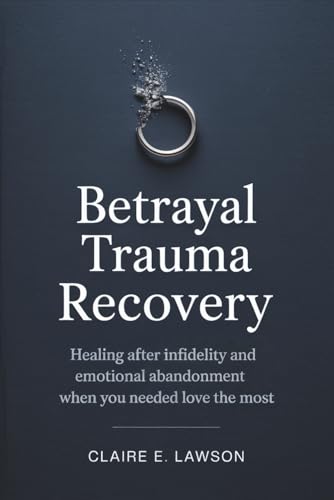
Betrayal Trauma Recovery: Healing After Infidelity and Emotional Abandonment When You Needed Love the Most
As an affiliate, we earn on qualifying purchases.
As an affiliate, we earn on qualifying purchases.
Conclusion
As you avoid all touch, you might think you’re protecting yourself, but you could also be building walls that keep love at bay. Each missed connection deepens the silence, leaving unresolved pain to fester. What happens when the silence becomes deafening? Will you find the courage to break the barrier, or risk losing what’s left forever? Sometimes, the hardest step is the first toward healing—will you take it before it’s too late?

Odrano Deeper Connection, Couples Games with 150 Deep Questions to Build Intimate Connection & Trust, Relationship Couples Game for Date Nights, Wedding Gift for Couple
150 Thoughtful Prompts for Meaningful Conversations. This Couples Games carefully curated card deck includes 150 unique and engaging…
As an affiliate, we earn on qualifying purchases.
As an affiliate, we earn on qualifying purchases.

Couple’s Blueprint for Emotional Intimacy, Trust & Communication: How Modern Couples Strengthen Trust, Foster Emotional Intimacy, and Master Healthy Conflict Resolution for Lasting Relationships
As an affiliate, we earn on qualifying purchases.
As an affiliate, we earn on qualifying purchases.