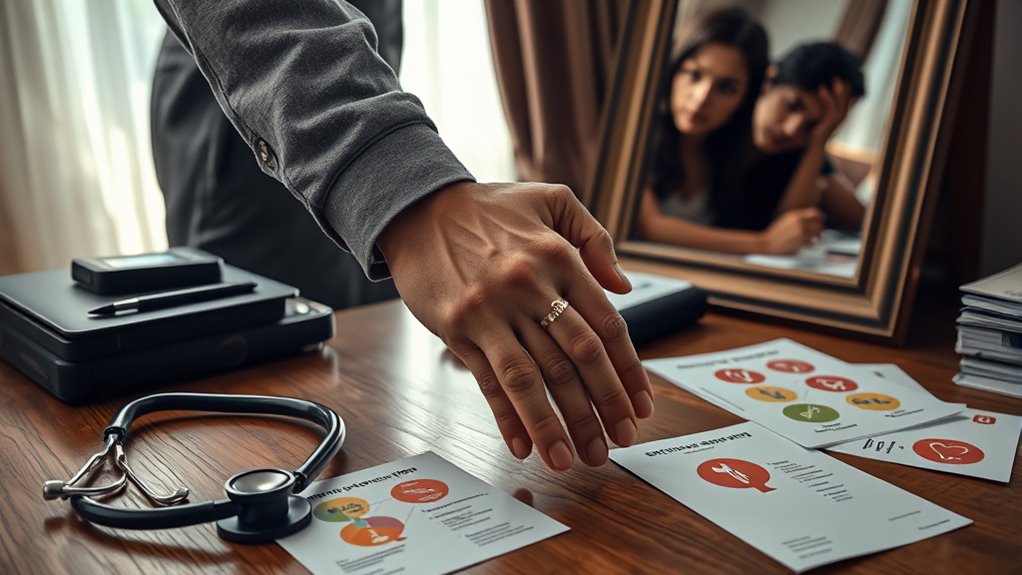

After an affair, it’s vital to get tested for STDs, as many infections can be hidden without symptoms. Using protection in the future and openly discussing your sexual history with partners can reduce risks. Addressing emotional feelings with support helps you make clearer health choices. Regular testing and consulting healthcare providers ensure early treatment and better health outcomes. If you want to protect yourself and understand more about managing these concerns, keep exploring ways to stay safe and healthy.
Key Takeaways
- Get tested promptly after an affair to detect and treat any potential STDs early.
- Use protection consistently in future encounters to reduce STD transmission risk.
- Communicate openly with partners about sexual history and health concerns.
- Seek medical advice and counseling to address emotional impacts and support responsible decisions.
- Maintain regular health monitoring and follow-up testing to ensure ongoing sexual health.

Having an affair can substantially increase your risk of contracting sexually transmitted diseases (STDs). When you engage in secretive encounters, you’re exposing yourself to risks that extend beyond emotional turmoil. The emotional impact of an affair can be profound, often leading to feelings of guilt, shame, and anxiety. These feelings can cloud your judgment and make it harder to prioritize your health. You might delay testing or avoid seeking medical advice, hoping the problem will go away on its own. However, ignoring potential symptoms or risks only heightens the danger of unknowingly spreading infections to others or experiencing long-term health issues. Recognizing the importance of prevention strategies is crucial. Regular STD testing, especially after an affair, is one of the most effective steps you can take. Many STDs can be asymptomatic, meaning you might not notice any signs while still being contagious. Getting tested ensures early detection and treatment, reducing health complications and preventing transmission. Using protection, such as condoms, during any sexual activity can significantly lower the risk of STDs. Even if you believe your partner is healthy or if you’re in a committed relationship, it’s essential to remember that trust isn’t a guarantee of safety. Open communication about sexual health and history with all partners is a vital prevention strategy. If you’re feeling overwhelmed by the emotional aftermath of an affair, don’t hesitate to seek support from a counselor or therapist. Addressing emotional issues helps you make clearer decisions about your health and encourages responsible behaviors moving forward. It’s also wise to discuss your situation with a healthcare professional, who can recommend appropriate testing and treatment options. They can also provide guidance on reducing future risks, especially if you decide to continue sexual activity outside your primary relationship. Remember, taking responsibility for your health after an affair isn’t just about protecting yourself; it’s also about safeguarding your partner’s wellbeing. While the emotional impact can be intense, focusing on prevention strategies empowers you to regain control and make healthier choices. Being proactive with testing, using protection, and maintaining honest communication are your best tools to navigate the aftermath of an affair responsibly. If you are unsure about the safety of your sexual practices, educating yourself on vape juice shelf life and other health-related topics can also be beneficial. Though the emotional scars might linger, prioritizing your health restores a sense of control and helps prevent long-term consequences. Don’t let fear or shame prevent you from seeking help—your health and peace of mind depend on it. Acting promptly and responsibly can make all the difference in managing the health risks associated with affairs and ensuring your future well-being.
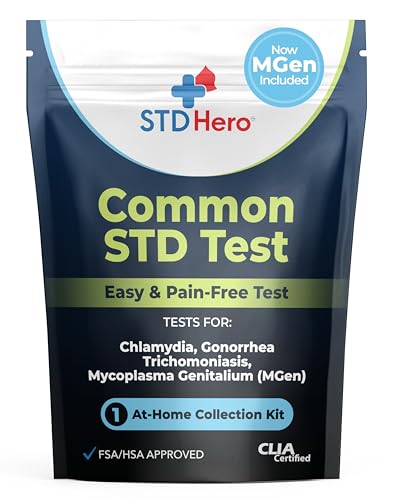
STD Hero At-Home Common STD Test Kit for Women and Men – Test for the Top Four STD's – Includes MGen – Private At-Home Collection – Simple, Discreet, Easy-to-Use with Fast Online Results
FOR WOMEN AND MEN: This private at-home kit is made for anyone wanting a simple way to support…
As an affiliate, we earn on qualifying purchases.
As an affiliate, we earn on qualifying purchases.
Frequently Asked Questions
How Soon Should I Get Tested After Discovering My Partner’s Affair?
You should get tested as soon as possible after discovering your partner’s affair, ideally within a week, to establish a baseline. Then, follow up with additional testing at three months, six months, or as recommended by your healthcare provider. Communicate openly with your partner about timing for testing and potential risks. Staying proactive helps protect your health and provides peace of mind during this difficult time.
Can STDS Be Transmitted Through Kissing or Other Non-Sexual Contact?
STDs can sometimes be transmitted through kissing or sharing utensils, especially if cold sores are present, since herpes is highly contagious. Cold sores are caused by the herpes simplex virus and spread easily through oral contact. To stay safe, avoid sharing drinks, utensils, or kissing someone with visible cold sores. If you’re concerned or notice symptoms, get tested and consult a healthcare professional for proper diagnosis and guidance.
What Are the Long-Term Health Effects of Untreated STDS?
Imagine someone with untreated chlamydia, initially asymptomatic, later develops pelvic inflammatory disease. If left untreated, STDs can lead to chronic complications like infertility, chronic pelvic pain, or organ damage. Asymptomatic infections often go unnoticed, increasing risks over time. Ignoring treatment can cause long-term health issues that may require extensive medical intervention, so early diagnosis and treatment are essential to prevent these serious, lasting effects.
Are There Emotional Support Options for Dealing With Betrayal and Health Fears?
You can find emotional support through counseling support, which helps you process betrayal and health fears. Peer groups offer a safe space to share experiences and gain encouragement from others who understand what you’re going through. Reaching out to a therapist or joining a support community can provide comfort, guidance, and strength as you navigate trust issues and health concerns after infidelity. You’re not alone, and help is available.
How Effective Are STD Treatments if Caught Early After Cheating?
Think of early detection as catching a small spark before it becomes a wildfire. STD treatment efficacy is high if you’re tested and treated promptly, making early detection benefits essential. When caught early, many STDs are easily cured or managed effectively, reducing long-term health risks. So, don’t delay—timely treatment can save your health and peace of mind, proving that early action truly makes all the difference.

Practice Safe Sex Birth Control Condom STD Prevention T-Shirt
Keep it safe! Have all the fun you want, but don't be silly, wrap your willy! Prevent sexually…
As an affiliate, we earn on qualifying purchases.
As an affiliate, we earn on qualifying purchases.
Conclusion
If you’ve cheated, address your health openly. If you’ve been cheated on, get tested without delay. If you’re concerned about STDs, seek medical advice promptly. Don’t ignore the symptoms, don’t dismiss the risks, don’t delay the tests. Protect your health, protect your future, protect your peace of mind. Taking responsible action shows respect for yourself and others. Remember, your health is your priority—act wisely, act quickly, and stay informed.

A Biblical Guide To Counseling The Sexual Addict
As an affiliate, we earn on qualifying purchases.
As an affiliate, we earn on qualifying purchases.
STD Hero At-Home Common STD Test Kit for Women and Men – Test for the Top Four STD's – Includes MGen – Private At-Home Collection – Simple, Discreet, Easy-to-Use with Fast Online Results
FOR WOMEN AND MEN: This private at-home kit is made for anyone wanting a simple way to support…
As an affiliate, we earn on qualifying purchases.
As an affiliate, we earn on qualifying purchases.