

When comparing an affair partner to a soulmate, your perceptions are often skewed by biases like confirmation bias, which makes you seek evidence that supports your feelings, and the halo effect, which inflates a single positive trait to the entire relationship. The availability heuristic amplifies recent memories, while the illusion of control fuels the belief you can shape the relationship’s fate. Recognizing these biases helps you see beyond illusions—if you pay closer attention, more insights await you.
Key Takeaways
- Confirmation bias causes individuals to focus on positive aspects, ignoring red flags in both affair partners and soulmates.
- The halo effect leads to idealizing one partner, clouding judgment of flaws and fostering unrealistic relationship perceptions.
- Availability heuristic makes recent or vivid memories disproportionately influence perceptions of relationship importance.
- Illusions of control reinforce beliefs that one can shape the relationship’s destiny, masking genuine compatibility issues.
- These biases distort reality, hindering honest evaluation and promoting romantic fantasies over objective understanding.

When it comes to matters of the heart, distinguishing between an affair partner and a soulmate can be confusing yet essential. You might find yourself questioning whether the intense connection you feel is genuine or simply a product of your subconscious biases. The way your mind interprets these relationships isn’t always straightforward. Cognitive biases play a significant role in how you perceive and evaluate your feelings, often leading you to make assumptions that aren’t entirely accurate.
Our perceptions of love are shaped by subconscious biases that can obscure the truth.
One common bias at play is the *confirmation bias*. You tend to seek out or interpret information in a way that confirms your existing beliefs. For example, if you believe your affair partner is “the one,” you might overlook or dismiss red flags or signs that suggest otherwise. Conversely, if you’re convinced your soulmate is someone else, you might ignore feelings of excitement or passion that seem to contradict that idea. This bias keeps you anchored in a narrative that supports your current beliefs, even if those beliefs are distorted.
Another bias is the *halo effect*, where you let one positive trait cloud your judgment of the whole relationship. If your affair partner makes you feel alive and desired, you might overlook their flaws or incompatibilities, convincing yourself that this relationship is special or destined. On the flip side, idealizing a soulmate can lead you to ignore their shortcomings, making the relationship seem perfect or predestined, regardless of reality. These distortions help you cling to a romanticized version of the relationship, which may not be sustainable or authentic.
The *availability heuristic* also influences your perception. You tend to judge the importance of your relationship based on how easily memories or feelings come to mind. If you often think about your affair partner or soulmate, you might believe they’re your true match, even if that’s not entirely true. The more vivid or recent your memories, the more significant they seem, skewing your perspective and making it difficult to see the relationship objectively.
Finally, the *illusion of control* can lead you to believe you’re actively shaping your destiny with this person, reinforcing the idea that they’re your soulmate. This bias makes you feel responsible for the relationship’s success or failure, which can cloud your judgment about whether the connection is truly right for you.
Understanding these biases is essential. They can make you cling to illusions or distort your view of reality, preventing you from making honest, healthy choices. Recognizing how your mind influences your perceptions helps you step back and evaluate your relationships more clearly, ultimately guiding you toward more authentic connections.

End of Bias: A Beginning
As an affiliate, we earn on qualifying purchases.
As an affiliate, we earn on qualifying purchases.
Frequently Asked Questions
How Do Cognitive Biases Influence Relationship Choices?
Cognitive biases shape your relationship choices by skewing your perception of potential partners. For example, confirmation bias makes you focus only on positive traits, ignoring red flags. The halo effect causes you to idealize someone based on initial impressions. These biases can lead you to overlook compatibility issues or cling to false hopes, affecting your ability to make rational decisions about love and commitment.
Can Recognizing Biases Prevent Choosing the Wrong Partner?
Yes, recognizing your biases can help you avoid choosing the wrong partner. When you’re aware of tendencies like confirmation bias or idealization, you’re less likely to overlook red flags or cling to false hopes. By questioning your assumptions and taking a step back, you gain clarity. This self-awareness empowers you to make more rational, informed decisions about who truly aligns with your values and long-term happiness.
Do Cultural Factors Affect Perceptions of Soulmates and Affair Partners?
Think of cultural factors as the vibrant tapestry woven into your perceptions of love and connection. They influence how you see soulmates and affair partners, shaping your expectations and biases. You might find yourself drawn to certain ideals because of your background, making it harder to distinguish genuine compatibility from fleeting attraction. Recognizing these cultural influences helps you navigate relationships more mindfully, ensuring you choose partners aligned with your authentic self.
What Role Does Emotional Dependency Play in These Biases?
Emotional dependency makes you more likely to idealize an affair partner or soulmate, as you seek validation and comfort outside your primary relationship. This dependency blinds you to red flags, fueling biases that reinforce your attachment. You may overlook flaws, believing this connection is uniquely special. Recognizing your dependency helps you question these perceptions, empowering you to make healthier choices based on reality rather than emotional crutches.
Are There Therapies to Reduce Biases in Relationship Decisions?
You can pursue therapies like cognitive-behavioral therapy (CBT) or couples counseling to reduce biases in your relationship decisions. These approaches help you identify and challenge distorted thinking patterns, fostering clearer judgment. Notably, many people find that confronting their emotional dependencies and biases often coincides with moments of unexpected clarity, like recalling a late-night conversation that shifted their perspective. Such therapies support healthier choices by illuminating subconscious influences you might not realize are at play.

HARDCOVER- Self-Love Journal – 120 Pages – 91 Day Notebook and Self-Care Diary for Meaningful Deep Work and Mindfulness – A Daily Journal to Practice Self-Love, Change Your Mindset, in Just 10 Minutes
Spiral-Bound Design: Experience a smooth writing experience with this sturdy spiral-bound journal, designed for daily use
As an affiliate, we earn on qualifying purchases.
As an affiliate, we earn on qualifying purchases.
Conclusion
Remember, your heart’s compass can easily be fooled by shiny illusions and foggy biases. An affair partner might seem like a blazing star, but it’s often just a fleeting spark in the night. Your soulmate, however, is the steady lighthouse guiding you home through life’s storms. Trust not just what dazzles the eye, but what truly anchors your soul. Choose wisely, for it’s your journey to navigate, not just chase illusions in the fog.

Questions for Couples Journal: 400 Questions to Enjoy, Reflect, and Connect with Your Partner, Grow Closer & Build A Strong Partnership (Relationship Books for Couples)
As an affiliate, we earn on qualifying purchases.
As an affiliate, we earn on qualifying purchases.
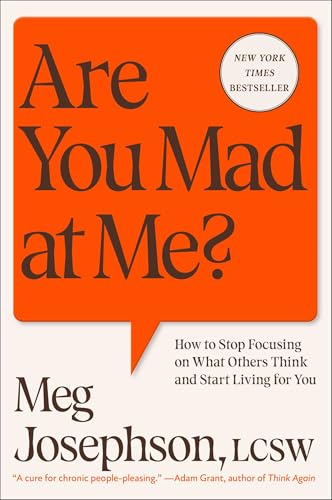
Are You Mad at Me?: How to Stop Focusing on What Others Think and Start Living for You
As an affiliate, we earn on qualifying purchases.
As an affiliate, we earn on qualifying purchases.