
In some countries, like Saudi Arabia and parts of the Middle East, adultery remains a criminal offense with penalties like fines or imprisonment, reflecting strong religious and cultural norms. In contrast, Western nations often treat cheating as a civil matter influencing divorce but rarely impose criminal penalties. Asian and African countries also vary in enforcement, often influenced by social and religious customs. To discover how different societies handle marital infidelity, keep exploring these diverse legal approaches.
Key Takeaways
- Adultery is criminalized in countries like Saudi Arabia and parts of the Middle East, with penalties such as fines or imprisonment.
- Many Western nations treat adultery as a civil matter affecting divorce and custody, not a criminal offense.
- In some Asian countries like India, adultery laws are evolving from criminal to civil issues, but social stigma persists.
- African nations like Nigeria criminalize adultery, often reflecting religious and societal morals with potential social repercussions.
- Laws on adultery reveal deep cultural, religious, and societal values regarding morality, gender roles, and personal privacy worldwide.
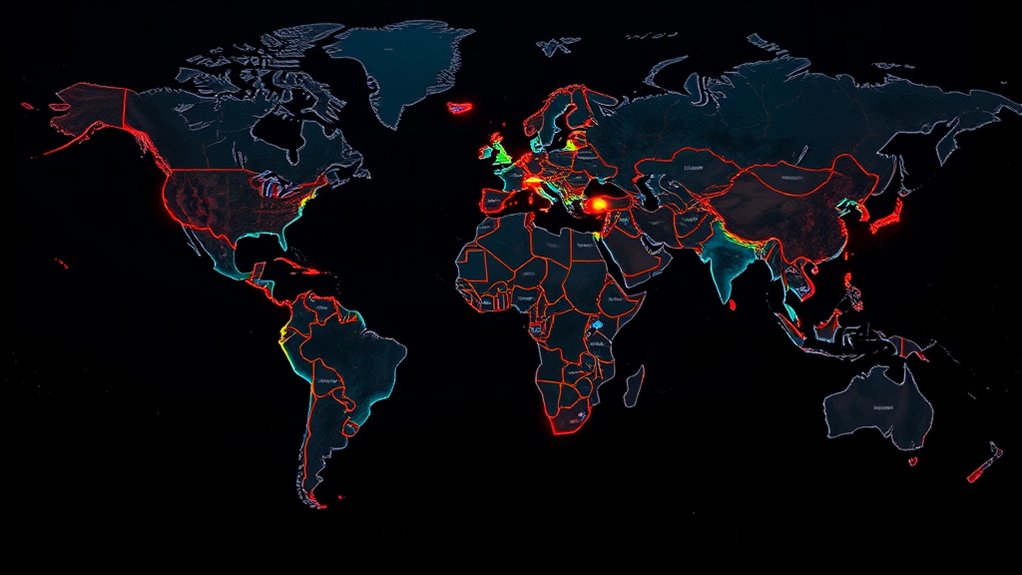
Have you ever wondered how different countries handle the taboo of adultery? In many places, marital infidelity isn’t just a breach of trust—it can also carry serious legal consequences. While some nations treat cheating as a private matter, others have laws that make it a criminal offense. In countries like Saudi Arabia and some parts of the Middle East, adultery is criminalized under strict moral codes. If you’re caught engaging in extramarital affairs, you could face harsh penalties such as fines, imprisonment, or even corporal punishment. These laws are rooted in religious and cultural traditions that prioritize family honor and social order over individual privacy.
In some countries, adultery is a criminal offense rooted in religious and cultural traditions.
In contrast, many Western countries approach adultery primarily as a civil matter rather than a criminal one. If you cheat on your spouse in the United States or much of Europe, you’re unlikely to face criminal charges. Instead, marital infidelity can influence divorce proceedings, affecting alimony, child custody, or division of assets. However, in some jurisdictions, adultery still remains a legal ground for divorce, and the courts might consider it when making decisions about spousal support or custody arrangements. Despite this, criminal penalties for adultery are generally abolished or rarely enforced, emphasizing personal responsibility over state intervention. Additionally, the enforcement of such laws varies greatly depending on local cultural attitudes and legal priorities.
In certain Asian countries like India and Indonesia, the legal landscape is more complex. While adultery itself isn’t always criminalized, some laws relating to morality and family honor can lead to legal challenges for those involved in extramarital affairs. For example, in India, the law has historically considered adultery as a criminal offense, but recent court rulings have shifted this perspective, viewing it more as a civil issue. Still, social stigma remains intense, and marital infidelity can have severe repercussions on family reputation and social standing.
In some African nations, laws surrounding adultery are deeply intertwined with local customs and religious beliefs. In countries like Nigeria or Kenya, adultery can be criminalized, especially when linked to moral or religious codes. Punishments may include fines or imprisonment, and in certain regions, accusations of marital infidelity can even lead to violence or social ostracism. These legal consequences often serve as a means to uphold societal morals but can also perpetuate issues like gender inequality, as women frequently bear the brunt of these laws. Furthermore, the enforcement of adultery laws often reflects broader societal attitudes toward gender roles and morality.
Ultimately, the way countries handle marital infidelity reflects their cultural, religious, and legal priorities. Whether seen as a private matter or a serious crime, adultery laws reveal a lot about societal values and how much power the state has to regulate personal relationships.
Frequently Asked Questions
How Do Adultery Laws Affect Divorce Proceedings Globally?
Adultery laws considerably impact divorce proceedings worldwide by influencing legal grounds for separation. When you face marital infidelity, these laws can determine whether cheating is recognized as a valid reason for divorce, potentially speeding up legal proceedings or affecting settlement terms. In some countries, admitting to adultery might lead to harsher custody or financial decisions. Knowing how your jurisdiction treats adultery helps you navigate the legal process more effectively.
Are There Countries Where Adultery Is Legal?
In some countries, adultery isn’t legally punishable, reflecting different social norms around marital fidelity. You might find places where cultural or religious beliefs prioritize personal choice over criminal consequences for cheating. While laws vary, social acceptance often plays a bigger role than legal sanctions. So, yes, there are nations where adultery isn’t a crime, but understanding local customs and expectations remains essential for respecting marital fidelity and social norms.
What Are the Penalties for Adultery in Different Legal Systems?
Think of adultery as a gamble with serious stakes—you could face harsh legal consequences. In some countries, penalties range from hefty fines and imprisonment to public shaming, all aimed at protecting marital fidelity. Others impose no formal punishment, trusting personal morals instead. Penalties vary widely depending on the legal system, but in all cases, adultery’s consequences reflect societal values about commitment and morality.
How Do Cultural Attitudes Influence Adultery Legislation?
Cultural norms and religious influences heavily shape adultery legislation. You’ll find that in societies valuing conservative morals, laws are stricter, often criminalizing cheating to uphold social harmony. Conversely, more liberal cultures may decriminalize adultery or have minimal penalties. Religious doctrines, such as Christianity, Islam, or Hinduism, also directly influence laws, reflecting their teachings on morality. Your understanding of these laws depends on how deeply cultural and religious values are embedded within the legal system.
Have Recent Legal Reforms Impacted Adultery Laws Worldwide?
Recent legal reforms have notably impacted adultery laws worldwide by making or decriminalizing marital infidelity. You’ll notice some countries tightening restrictions, while others relax them, reflecting changing cultural attitudes. These reforms aim to balance personal privacy with societal morals. As a result, you might see more nuanced laws that address gender equality and modern relationship dynamics, showing how legal systems evolve to better reflect contemporary values around marriage and fidelity.
Conclusion
So, next time you think about sneaking around, remember—some countries treat adultery like a crime that could land you in jail, ruin your reputation, or even cause a national scandal! Your secret rendezvous could turn into a headline that shakes continents. It’s not just a slap on the wrist; in some places, it’s a full-blown criminal offense. Think twice—your love life might just turn into international news!