TL;DR

Get gifts for the two of you delivered free — and shop member deals
- Fast, free delivery on millions of items
- Access to Prime Big Deal Days deals on October 6–7
- Prime Video, Amazon Music and more included
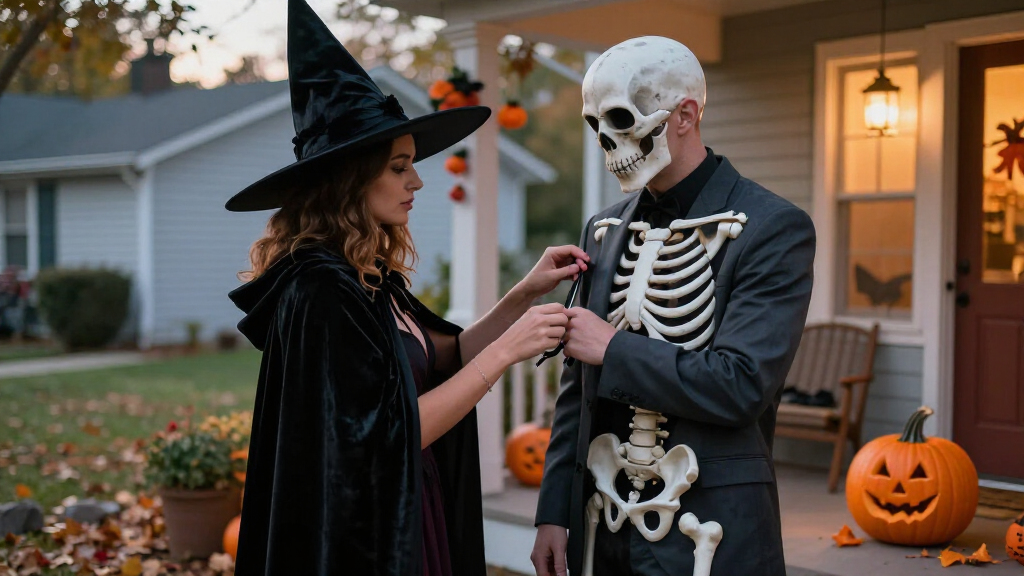
Couples Halloween costumes are coordinated outfits for two people, and they can be matching, complementary, funny, spooky, or built around a shared reference. Choose an idea you can recognize at a glance, adapt to each person’s comfort and budget, and test it for the event’s weather, walking, and venue rules.
The best couples Halloween costumes can be understood before you finish saying, “We’re dressed as…” A red cap and a white mustache, a black cape beside a moonlit bat, or two ordinary outfits linked by one unmistakable prop can do the work.
Couples Halloween costumes are coordinated outfits worn by romantic partners, friends, or family members. They can match exactly, form a recognizable pair, or connect through a shared theme. The trick is choosing an idea that feels like you—not just a costume that looks good in a photo.
Here, you’ll find ways to choose a pairing, build a low-cost look, coordinate without dressing identically, and keep your outfits comfortable and respectful. The goal: a costume that’s fun to wear from the first party photo to the walk home.
Make the connection readable with a shared color, prop, character reference, or joke.
Choose from matching, fictional, complementary, pun-based, opposite, or shared-theme pairings.
Use closet basics, thrifted pieces, or a rental as the base, then add one or two distinctive details.
Coordinate without identical outfits by agreeing on a palette or symbol and adapting fit, coverage, and warmth to each person.
Test visibility, movement, footwear, weather, and venue rules before Halloween night.
Choose a costume idea people can recognize at a glance
Couples Halloween costumes work best when people can spot the connection quickly, even in a crowded room. Give your pair a clear visual link: a shared color, familiar characters, a prop, or a joke that lands in one look. A strong idea doesn’t require matching from head to toe.
Start with the feeling you want: cute, funny, eerie, or clever. Then pick a source that both of you actually enjoy, such as a film, game, book, music act, folklore, or an old-school Halloween image. A popular streaming show or viral meme can make a timely reference, but trends change fast; choose one you’ll still enjoy explaining next year.
For example, one person can wear a green sweater and glasses while the other carries a small toy train to suggest a familiar storybook pairing. If you’d rather skip a fictional couple, try a shark and lifeguard, a storm cloud and sunshine, or two halves of a playing card. The connection matters more than a romantic storyline.
When an idea feels fuzzy, write down the two or three details that make it recognizable. If you can’t name them, the costume may need a clearer prop or color. A tiny plastic trident, a striped scarf, or a cardboard sign can turn two regular outfits into a readable duo.
This quick-recognition test matters because people usually see costumes from across a room, in dim lighting, or for only a moment. If the idea depends on a long explanation, the audience may not make the connection—and you may end up repeating the joke all night. A recognizable detail gives you a useful balance: it can make simple clothes feel intentional without requiring expensive or elaborate outfits. The tradeoff is that a very familiar reference may be less original, so add a personal detail or choose an unexpected pairing if standing out matters more than instant recognition.
As an affiliate, we earn on qualifying purchases.
Pick from six pairing styles to find an idea you both like
Couples Halloween costumes come in several useful styles, so you don’t have to start by searching for famous romantic pairs. Pick a category that fits your shared sense of humor, available clothes, and willingness to build or buy things. This simple choice can turn a long scroll through costume photos into a five-minute conversation.
These categories work for partners, friends, siblings, or other family members. They can match, or each person can keep a distinct outfit while the theme connects the pair. Try these starting points:
- Matching: Two skeletons, two black cats, or a pair of identical retro workout looks.
- Fictional duo: Characters from a book, film, game, or television show you both know.
- Complementary characters: A detective and a suspect, a pirate and a mermaid, or a gardener and a flower.
- Pun or visual joke: A “cereal killer” and a cereal box, if the joke suits your crowd.
- Opposites: Sun and moon, angel and devil, or a neat outfit paired with playful chaos.
- Shared theme: Two characters from the same game, era, band, or story world.
Imagine one friend wants a spooky look and the other wants a silly one. A vampire and a garlic bulb can bridge the gap better than forcing both into matching capes. The category gives you a structure; your own twist makes it feel personal.
Each style comes with a different tradeoff. Matching looks are easy to understand and often easy to assemble, but can leave little room for individual taste. A fictional duo or shared theme gives each person a distinct role, though it may rely on an audience knowing the reference. Puns and opposites can be inexpensive and memorable, but their humor or visual contrast may not suit every event. Choosing the category together helps surface these preferences early, before one person has bought a costume the other doesn’t want to wear.
Use the categories as prompts, not rules. If you both like the same theme but disagree about how elaborate to get, keep the shared idea and vary the effort: one person can build a detailed character look while the other uses everyday clothes and a single recognizable prop. The pairing still feels connected, while the workload and cost stay manageable.
matching Halloween costumes for couples
As an affiliate, we earn on qualifying purchases.
As an affiliate, we earn on qualifying purchases.
Build a polished costume from clothes you already own
You can make couples Halloween costumes on a small budget by using everyday clothes as the base and adding just one or two unmistakable details. A black shirt, jeans, and dark shoes can become a dozen characters once you add the right prop, makeup, or silhouette. Start by checking your closets before shopping.
One person might already own a white button-down and black trousers for a simple vampire look; the other can wear red and carry a toy stake to play the hunter. Or both can wear denim and use paper badges and a toy magnifying glass to suggest detectives. Keep props lightweight and securely attached so they don’t become annoying after an hour.
A thrift store can fill gaps with a bright jacket, old scarf, costume jewelry, or a dress you can alter with a belt. For a more elaborate look, renting can be sensible if you need a specific outfit you won’t wear again. Compare the full cost—not only the costume price, but also shipping, makeup, shoes, and any last-minute supplies.
For a DIY finish, repeat two colors across both outfits and make one detail easy to see from several feet away. A bold red bow, silver face paint, or a handmade sign can tie the looks together. Think of it like seasoning: a few vivid details sharpen the whole outfit, while a pile of random accessories muddies it.
Working from what you own saves money, but it also limits how closely you can copy a character or reference. That’s often a worthwhile trade: a recognizable color or prop can carry the idea while your clothes keep it comfortable and reusable. Before buying anything, decide which detail is essential for the costume to read. Spend on that piece, borrow or improvise the rest, and avoid small extras that add cost without making the connection clearer.
Also account for hidden costs and practical wear. A cheap costume can become expensive if it needs special shoes, makeup, or repairs, while a thrifted jacket may need time to fit properly. Renting can reduce clutter and provide a more accurate look, but it may involve deposits, deadlines, and limited sizing. The best choice is the one that fits both your budget and the time you have to assemble and test it.
As an affiliate, we earn on qualifying purchases.
Coordinate without making either person wear the same thing
You can coordinate couples Halloween costumes without identical outfits by sharing one visual cue and letting each person choose their own cut, color, or level of coverage. This is a good fit when you have different styles, sizes, body types, or comfort levels. Coordination should feel like a shared idea, not a uniform.
For example, a witch and a black cat can share a black-and-purple palette while one person wears a long coat and the other chooses a soft sweater with cat ears. A pair of space explorers can both wear silver details, but one can choose a jumpsuit and the other can wear a metallic jacket with regular trousers. The connection reads clearly without requiring the same silhouette.
Talk through boundaries before buying anything: how warm the outfit should be, how much skin you’re comfortable showing, whether you want makeup, and how far you’ll walk. Offer options rather than treating a particular gender presentation as a requirement. A costume works better when everyone can move, sit, eat, and use the restroom without a complicated rescue mission.
For friends or family members, use the same approach. “Are coordinated outfits” can be as simple as matching patches, a repeated color, or a shared symbol. The people wearing them don’t need to be a couple in the romantic sense; the costume’s visual link does the explaining.
A shared cue is a practical compromise: it makes the pairing legible while letting each person dress for their own body, taste, and comfort. That flexibility can prevent the costume from feeling like one person has to change their style to complete the other person’s idea. It also makes planning more inclusive when people need different sizes, layers, or levels of coverage.
Agree on the cue before shopping, then decide what is flexible. A color palette or symbol is usually easier to adapt than a requirement for identical garments. If the cue is subtle, such as a small patch, make sure it will be visible in the event’s lighting; if it is too prominent, it may overpower the individual outfits. The aim is enough repetition to connect the looks, not so much that either person feels like an accessory to the other.
As an affiliate, we earn on qualifying purchases.
Test your costumes for weather, walking, and party rules
A clever costume still needs to work where you plan to wear it. Check the forecast, the distance you’ll walk, the venue’s rules, and whether you’ll be outside after dark. A house-party outfit and a neighborhood trick-or-treating costume have different demands.
Try both looks on together before Halloween. Walk around the block, sit down, lift your arms, and check whether you can see clearly. A long cape may look dramatic in a photo but drag through wet leaves; a full-face mask can fog up on a crowded dance floor. Comfortable shoes often matter more than perfectly accurate boots.
For a chilly outdoor event, wear thermal layers under the costume or build warmth into the concept: two hikers, bundled-up ghosts, or characters in long coats. Use face paint and makeup according to product directions, and test a small patch of skin first. Keep props manageable, avoid sharp edges, and check whether the venue restricts toy weapons, masks, or revealing outfits.
Respect matters as much as comfort. Avoid costumes that depend on racial, cultural, religious, or other demeaning stereotypes; choose a fictional character or visual concept instead. A quick question helps: is the joke about the costume idea, or about a real group of people? If it’s the second, choose another idea.
Testing is more than a comfort check: it reveals problems that are hard to notice while standing still in a mirror. A mask can limit vision near stairs, loose fabric can catch on chairs, and a prop that seems light at home can become irritating after hours of carrying it. Fixing those issues beforehand protects both enjoyment and safety. If a costume only works when you can’t sit, see, or move freely, simplify it rather than assuming you’ll tolerate it all night.
Venue rules and weather can also change what counts as a workable costume. A toy weapon may be fine at a private party but prohibited at a public venue; a thin outfit may suit an indoor event but not the walk between locations. Check the rules and forecast early enough to adapt the idea. Adding a warm layer or swapping a prop may make the look less exact, but a slightly simplified costume is better than being turned away or spending the night uncomfortable.
Use this four-step plan to avoid last-minute costume stress
Plan couples Halloween costumes by settling the concept, checking what you own, filling the gaps, and testing the final outfits. This order keeps you from buying an expensive costume before you know whether it fits the event or your partner’s comfort level. It also works if Halloween is only a few days away.
- Pick the mood and audience. Decide whether you want funny, cute, scary, or clever, and think about whether you’ll attend a family event, crowded venue, or house party.
- Choose a recognizable pairing. Name the shared colors, characters, or prop that will make the connection clear at a glance.
- Inventory and set a budget. Lay out clothes and accessories you already own, then agree on a spending limit before you thrift, rent, or order anything.
- Try it on early enough to fix it. Check fit, warmth, visibility, and movement; replace uncomfortable shoes or awkward props before the night out.
If you have more time, start early enough to find a size or order an unusual prop. If you’re planning at the last minute, choose ordinary clothes and one distinctive accessory each: matching color, paper badge, toy magnifying glass, or a simple makeup detail. A clear concept is faster to assemble than a complicated costume with missing pieces.
Suppose your party is tomorrow and you decide on a pair of detectives. You can build both outfits from dark trousers, shirts, and coats, then add homemade badges from cardboard. That’s more reliable than waiting for a costume delivery that may arrive after the party.
The order matters because each step reduces a different kind of risk. Choosing the event and mood prevents a funny, revealing, or elaborate idea from clashing with the audience or venue. Naming the visual link keeps you from spending on details that don’t help people understand the pairing. Taking inventory avoids duplicate purchases, while agreeing on a budget makes it easier to decide whether a missing item is worth buying, borrowing, or improvising.
Leave time for a test run because costume problems often lead to last-minute costs: replacement shoes, extra layers, or a substitute prop. If time is short, simplify the concept rather than skipping the test. A reliable outfit built from clothes you already own may be less detailed, but it is usually more comfortable and predictable than a complicated look assembled in a rush.
Frequently Asked Questions
What are easy couples Halloween costumes to make at home?
Start with clothes you own and add a clear prop or color link. Two detectives can wear dark outfits with homemade badges, while a vampire and a hunter can use ordinary black and red clothes with safe makeup or a lightweight toy prop.
What are good last-minute couples costume ideas?
Choose a concept built from everyday clothes, such as a tourist and a tour guide, two ghosts made with makeup and white tops, or a gardener and a flower. A bold shared color or one recognizable accessory helps the pair read quickly without special orders.
Can friends wear couples Halloween costumes?
Yes. The phrase often describes coordinated outfits worn by romantic partners, friends, or family members, and it doesn’t require a romantic pairing. Two characters from the same story, a sun and moon, or matching detectives all work.
How can we coordinate without wearing matching outfits?
Choose one shared detail, such as a color palette, symbol, era, or familiar reference, then let each person shape their own outfit. A witch and a black cat can coordinate through black and purple while wearing completely different cuts and levels of coverage.
How do we make a costume comfortable for cold weather?
Wear thin warm layers under the costume, choose shoes you can walk in, and try everything on outdoors if possible. Long coats or winter-friendly concepts can add warmth without hiding the idea, while a quick forecast check helps you avoid being stuck in a thin outfit all night.
How can we make a costume funny without offending people?
Build the joke around a harmless situation, fictional reference, or visual pun rather than a real group’s identity. If the humor depends on mocking a culture, religion, disability, or other group, choose a different concept.
Conclusion
Choose a costume that gives both people room to have fun, then make its connection easy to spot. One shared color or memorable prop can do more than a bag full of accessories.
When the night gets loud, cold, or crowded, you’ll be glad your costume feels as good to wear as it looks in the first photo.
Fall Picks
fall essentials
As an affiliate, we earn on qualifying purchases.