

Relationship communication tools come in two main shapes: structured workbooks that walk couples through daily exercises, and skills-based books that teach a framework you apply on your own timeline. After comparing the ten most popular options, Love More, Fight Less stands out as the best overall pick because it balances actionable scripts, conflict-specific strategies, and a format busy couples can actually finish. Two other standouts: the 8-Week Couples Therapy Workbook for couples who want a therapy-adjacent, week-by-week program, and Nonviolent Communication for readers who prefer a deep, principle-driven method over worksheets. The main tradeoff in this category is depth versus doability — the most rigorous programs demand real commitment, while lighter books are easier to start but may not resolve entrenched conflict patterns. Read on for the full breakdown, including who each option suits and who should skip it.
Key Takeaways
- Books with concrete scripts and fill-in exercises outperformed theory-heavy titles for couples in active conflict, because arguments need words to say in the moment, not background reading.
- Time-commitment labels mattered more than page count: the 12-day, 20-minute format (Couples Communication Workbook) had the lowest barrier to entry, while 8-week programs offered deeper change for committed couples.
- Nonviolent Communication is the only pick that transfers beyond romantic relationships — its framework works with family, friends, and coworkers — making it the best value per page despite being the least couple-specific.
- Several workbooks overlapped heavily in content; the differentiators were tone (clinical versus warm) and whether both partners needed to participate equally, which matters if one partner is reluctant.
- Couples already in therapy benefited most from supplement-style workbooks (Practical At-Home Couples Therapy Workbook), whereas self-guided couples got better results starting with a complete standalone program.



| relationship communication tool | Format | Approach | Focus | Exercises Included |
|---|---|---|---|---|
| Communicate Your Feelings | Paperback / eBook | Practical phrasing and scripts | Expressing feelings, conflict avoidance | Minimal |
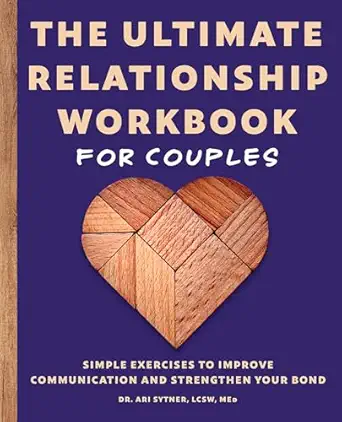
| The Ultimate Relationship Work | Paperback workbook | Guided couple exercises | Communication exercises and emotional bonding | Yes, activity-based |
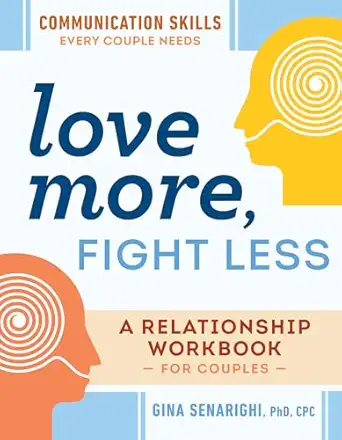
| Love More | Paperback / eBook workbook | Skills-based exercises for couples | Communication skills and conflict resolution | Yes, conflict-resolution focused |
| 8-Week Couples Therapy Workboo | Spiral-bound paperback workbook | Self-guided therapy curriculum | Connection, communication, relationship strengthening | Yes, weekly structured exercises |
| Practical At-Home Couples Ther | Workbook | Guided toolkit with themed exercises | Honest communication, intimacy restoration, conflict repair | Yes, guided prompts and activities |
| Nonviolent Communication: A La | Book (print and digital editions available) | — | — | — |
| The Talk Book: With Six Prize- | Book | — | — | — |
| Emotional Intimacy for Couples | Book | Habit formation plus communication skills | — | — |
| Couples Communication Workbook | Workbook | — | — | — |
| Emotional Intimacy for Couples | Book | Practical tools and actionable advice | — | — |
More Details on Our Top Picks
Communicate Your Feelings (Without Starting a Fight): What to Say and What Not to Say to Your Partner
Most communication books ask you to do homework; this one just asks you to change what you say. That distinction makes it the most accessible pick in this lineup, especially for partners who resist anything that feels like therapy. Where The Ultimate Relationship Workbook for Couples structures progress around exercises, this book works as a reference you can dip into before a hard conversation — scripted phrasings, and clear examples of what not to say.
The tradeoff is depth. Compared with the 8-Week Couples Therapy Workbook, it skims the surface of underlying patterns, so couples with recurring conflict will want something more structured. There’s also little on listening skills; the emphasis stays on the speaker. For its price and length, though, it delivers disproportionate value.
Pros:- Short, readable format that fits busy schedules
- Concrete what-to-say and what-not-to-say scripts
- Doesn’t require a willing partner to get started
- Low price point for the value delivered
Cons:- Light on listening skills and underlying conflict patterns
- Limited structure for couples who benefit from step-by-step progress
Best for: Couples who want immediately usable phrases and scripts without committing to a multi-week program
Not ideal for: Couples dealing with deep-rooted conflict patterns who need structured, long-term exercises rather than quick phrasing tips
- Format:Paperback / eBook
- Focus:Expressing feelings, conflict avoidance
- Approach:Practical phrasing and scripts
- Time Commitment:Single read-through; reference-style use
- Exercises Included:Minimal
- Partner Participation Required:No — can be applied individually
Our verdict“This is the pick for the partner who says ‘just tell me what to say’ — fast, practical, and low-commitment.”
The Ultimate Relationship Workbook for Couples: Simple Exercises to Improve Communication and Strengthen Your Bond
This workbook earns the top spot because it balances structure with approachability better than anything else here. The exercises are simple enough that couples actually finish them, yet substantial enough to move the needle on communication — a combination the Love More, Fight Less workbook also aims for but with a heavier, more skills-heavy feel.
What makes it stand out as a first purchase is breadth: listening, emotional connection, and conflict all get covered, so a couple unsure where their breakdown happens can diagnose as they go. The tradeoff is that breadth costs depth — it won’t replace professional help, and compared with the 8-Week Couples Therapy Workbook’s tight timeline, it leaves pacing entirely up to you, which is exactly where some couples stall.
Pros:- Broad coverage of communication, listening, and emotional bonding
- Simple exercises with a low barrier to entry
- Works for couples at any relationship stage
- Encourages joint participation without feeling clinical
Cons:- Pacing is entirely self-directed with no built-in timeline
- Individual topics get less depth than specialized alternatives
Best for: Couples new to relationship workbooks who want a well-rounded, low-intimidation starting point
Not ideal for: Couples who need external accountability or a fixed schedule, since the self-paced format is easy to abandon
- Format:Paperback workbook
- Focus:Communication exercises and emotional bonding
- Approach:Guided couple exercises
- Time Commitment:Self-paced
- Exercises Included:Yes, activity-based
- Partner Participation Required:Yes, designed for two
Our verdict“If you’re buying one workbook to start improving how you and your partner talk, this is the safest all-around bet.”
Love More, Fight Less: Communication Skills Every Couple Needs
Where The Ultimate Relationship Workbook for Couples spreads its attention evenly, this one puts its weight behind the fights — how they start, how they escalate, and how to interrupt the pattern. That focus makes it the better choice for couples who communicate fine until conflict hits, then spiral.
The skills training here is more deliberate than anything in Communicate Your Feelings (Without Starting a Fight), moving beyond scripts into actual conflict-resolution technique. The cost is realism: this is a genuine workbook, and couples who only half-commit will see half results. It also assumes both partners are willing participants, which isn’t always the situation. If arguments are your recurring problem, though, nothing else in this lineup targets it as directly.
Pros:- Directly targets conflict patterns and de-escalation
- Teaches durable skills rather than one-off phrases
- Backed by a mainstream publisher with broad availability
- Encourages consistent, joint practice
Cons:- Results depend on real commitment from both partners
- Less suited to couples whose issues are emotional distance rather than fighting
Best for: Couples whose main issue is recurring arguments and who are both willing to practice new conflict skills
Not ideal for: Couples where one partner won’t participate, or those seeking casual reading rather than active skills practice
- Format:Paperback / eBook workbook
- Focus:Communication skills and conflict resolution
- Approach:Skills-based exercises for couples
- Time Commitment:Ongoing practice required
- Exercises Included:Yes, conflict-resolution focused
- Partner Participation Required:Yes, for full benefit
Our verdict“Buy this if arguments — not silence or distance — are the thing breaking your communication down.”
8-Week Couples Therapy Workbook: Essential Strategies to Connect, Improve Communication, and Strengthen Your Relationship
The eight-week framework is the whole point here. Compared with The Ultimate Relationship Workbook for Couples, which leaves pacing to you, this book imposes a clear week-by-week progression — the kind of external structure that self-guided couples consistently need to finish what they start.
The spiral binding deserves mention because it’s a practical outcome, not a gimmick: the book lies flat during exercises, which matters more than you’d think when both partners are writing side by side. The tradeoff is rigidity. There’s no skipping ahead to the chapter on your specific problem, and compared with the Practical At-Home Couples Therapy Workbook, the tone leans more clinical and self-guided-therapy-like, which can feel heavy for couples who just want lighter maintenance rather than a full program.
Pros:- Fixed 8-week structure creates real accountability
- Step-by-step progression from connection to communication skills
- Spiral binding lies flat for hands-on exercises
- Closely mirrors an actual therapy curriculum
Cons:- Requires sustained commitment across two full months
- Rigid sequence frustrates couples who want targeted help
Best for: Self-disciplined couples who want a defined timeline and therapy-style progression without paying for sessions
Not ideal for: Couples wanting to cherry-pick topics on demand, since the program is designed to be completed in sequence
- Format:Spiral-bound paperback workbook
- Focus:Connection, communication, relationship strengthening
- Approach:Self-guided therapy curriculum
- Program Length:8 weeks, sequential
- Exercises Included:Yes, weekly structured exercises
- Partner Participation Required:Yes
Our verdict“Choose this if you and your partner follow through on programs — the built-in schedule is its superpower.”
Practical At-Home Couples Therapy Workbook: Guided Relationship Toolkit for Honest Communication, Restored Intimacy, and Conflict Repair
This is the most repair-oriented option in the batch. Where Love More, Fight Less teaches conflict skills and Communicate Your Feelings polishes everyday phrasing, this workbook is built for relationships that have already lost ground — faded intimacy, eroded trust, and conversations that go nowhere.
Its toolkit approach bundles honest-communication prompts, intimacy rebuilding, and conflict repair into guided exercises, which makes it broader than the 8-Week Couples Therapy Workbook but without that book’s strict schedule. Be honest about the ceiling, though: the title says therapy, but it isn’t. Couples in serious distress — infidelity, chronic contempt — should treat this as a bridge to a real therapist, not a replacement. For couples in the gray zone of strain, it’s the most direct fit here.
Pros:- Directly addresses intimacy and trust repair, not just talk skills
- Guided prompts encourage honest, supportive dialogue
- Toolkit format lets couples focus on their specific wounds
- Strong bridge option before or alongside professional help
Cons:- Regular practice is required; casual use won’t rebuild anything
- Not a substitute for professional therapy despite the title
Best for: Couples feeling distant or disconnected who want guided repair work before considering professional therapy
Not ideal for: Couples in crisis — active infidelity, contempt, or abuse — where professional therapy is the appropriate route
- Format:Workbook
- Focus:Honest communication, intimacy restoration, conflict repair
- Approach:Guided toolkit with themed exercises
- Time Commitment:Regular ongoing practice
- Exercises Included:Yes, guided prompts and activities
- Partner Participation Required:Yes, exercises are collaborative
- Replaces Therapy:No — positioned as at-home support
Our verdict“This makes the most sense for couples who’ve drifted and want to actively rebuild connection at home.”
Nonviolent Communication: A Language of Life
Most relationship communication books teach you what to say in a fight; this one rebuilds how you interpret feelings and needs in the first place. That’s why it earns a slot as the foundational pick — Rosenberg’s observation-feeling-need-request method applies to partners, coworkers, and family alike, where titles like The Talk Book stay narrower in scope. Compared with Couples Communication Workbook, this is theory-first, so readers wanting a day-by-day schedule may feel impatient. The payoff is durable: once the framework clicks, it generalizes beyond romance. The tradeoff is effort — the language can feel stilted until practiced, and couples in acute crisis may need something faster-acting than a philosophy of dialogue.
Pros:- Framework applies to professional and family relationships, not just romantic ones
- Teaches root-cause skills (identifying needs and feelings) rather than surface-level phrases
- Widely referenced by therapists, so it pairs well with counseling
- Decades of reader validation behind the method
Cons:- The scripted NVC language feels unnatural and robotic until well practiced
- No exercises or workbook structure — requires self-directed effort to apply
Best for: Readers who want a transferable communication framework they can apply at home and at work, not just scripted phrases for their partner
Not ideal for: Couples in the middle of an active conflict who need immediate, scripted de-escalation tactics — the framework takes weeks of practice to internalize
- Format:Book (print and digital editions available)
- Primary method:Observation-Feeling-Need-Request framework
- Scope:Personal and professional relationships
- Structure:Concept-driven chapters with example dialogues
- Practice required:High — techniques need repeated real-world use
- Audience:Individuals and couples seeking long-term skill building
Our verdict“Buy this if you want to rebuild your communication habits from the ground up rather than patch a single relationship problem.”
The Talk Book: With Six Prize-Winning Talk Tools That Strengthen Relationships and Repair Communication Breakdowns
Where Nonviolent Communication asks you to adopt a whole new language, this book takes the opposite bet: six discrete, learnable tools you can deploy when conversations go sideways. That repair-first orientation is its identity in this lineup — it’s the pick for couples who communicate fine until they don’t, and then suddenly very much don’t. Compared with Love More, Fight Less, the narrower tool count makes it easier to actually remember what to do mid-argument. The tradeoff is depth: six tools can’t cover every relational pattern, and the book is lighter on the underlying emotional-intimacy work that Emotional Intimacy for Couples emphasizes.
Pros:- Small, memorable toolset is easy to recall during actual conflicts
- Specifically targets repair after communication breaks down, not just prevention
- Tools can be learned one at a time rather than as a full system
- Works for couples who don’t want to commit to a long program
Cons:- Limited availability and little current marketing make it harder to find context or reviews
- Narrow scope — six tools won’t address deeper trust or intimacy gaps
Best for: Couples whose day-to-day communication is fine but whose arguments regularly spiral into breakdowns they can’t recover from
Not ideal for: Couples seeking broad emotional connection work — this is a tactical repair manual, not a deep intimacy guide
- Format:Book
- Core content:Six distinct talk tools
- Primary focus:Repairing communication breakdowns
- Learning curve:Low to moderate — discrete tools, not a framework
- Scope:Targeted conflict repair
- Commitment level:Short — tools are individually learnable
Our verdict“This makes sense for couples who need a repair toolkit for blowup arguments, not a complete relationship curriculum.”
Emotional Intimacy for Couples: Communication Skills, Trust-Building Habits, and Practical Tools to Deepen Connection and Strengthen Your Relationship
This entry distinguishes itself by treating communication as a means to an end — specifically, trust and emotional intimacy — rather than as the destination itself. Compared with The Talk Book, which fixes broken conversations, this one targets the quieter problem of couples who talk daily yet feel distant. It overlaps heavily with its sibling edition (ASIN B0H21D9FCJ), so buyers should check format and price between the two before purchasing. The habit-based approach suits couples willing to change daily patterns, but that’s also the catch: unlike the Couples Communication Workbook‘s tidy 12-day program, this demands ongoing commitment without a fixed schedule, and results depend on both partners buying in.
Pros:- Addresses trust and emotional closeness, not just conversation technique
- Habit-based structure builds lasting change rather than one-off fixes
- Actionable tools rather than abstract theory
- Suited to long-term couples, not just newlyweds
Cons:- Substantially duplicates a sibling edition — compare before buying
- Few independent reviews available to verify real-world results
- Requires sustained commitment from both partners to work
Best for: Established couples who communicate functionally but feel emotionally distant and want habit-based trust rebuilding
Not ideal for: Couples who want a quick structured program — this is a gradual habits approach with no fixed timeline
- Format:Book
- Primary focus:Emotional intimacy and trust-building
- Approach:Habit formation plus communication skills
- Program structure:Open-ended, ongoing practice
- Partner involvement:Both partners needed for full benefit
- Time to results:Gradual — weeks to months of habit practice
Our verdict“Choose this when distance and eroded trust are the real issue, and conversation skills are only part of the problem.”
Couples Communication Workbook: 20 Minutes a Day for 12 Days to Improve Listening, Resolve Conflicts, and Strengthen Your Relationship
If the biggest obstacle in your relationship is actually doing the work, this is the pick. The 20-minutes-a-day, 12-day format is the most concrete commitment structure in this entire roundup — even The Ultimate Relationship Workbook for Couples and the 8-Week Couples Therapy Workbook demand more sustained momentum. The short daily exercises lower the barrier for busy or skeptical partners, and the workbook format forces practice rather than passive reading, which is where Nonviolent Communication leaves readers on their own. The tradeoff is breadth: twelve days cannot resolve entrenched patterns, and couples with serious trust damage will hit the end of the program wanting more. Think of it as a sprint that builds the habit of talking well, not a marathon therapy substitute.
Pros:- Fixed 20-minute daily sessions fit into realistic schedules
- Workbook format forces active practice instead of passive reading
- Listening skills get dedicated attention, unlike many conflict-only guides
- Low intimidation factor for a partner who resists ‘relationship books’
Cons:- Short program length limits depth on any single issue
- Limited detail available about exercise content before purchase
Best for: Busy couples or partners reluctant to commit who need a short, scheduled program they can actually finish
Not ideal for: Couples with deep-seated conflict or trust damage — 12 days of exercises won’t reach those issues
- Format:Workbook
- Program length:12 days
- Daily time commitment:20 minutes
- Primary skills:Listening, conflict resolution, connection
- Exercise type:Daily guided activities
- Partner involvement:Designed for couples to complete together
Our verdict“This is the right choice for couples who need a finishable, low-effort entry point — not a substitute for deeper therapeutic work.”
Emotional Intimacy for Couples: Communication Skills, Trust-Building Habits, and Practical Tools to Deepen Connection and Strengthen Your Relationship
This is essentially the same book as B0H21PNYV5 under a different listing, and I’d be doing readers a disservice pretending otherwise — the honest guidance is to compare format, price, and availability between the two before checking out. Reviewed on its own merits, it delivers the same strength as its sibling: a combined focus on communication skills and trust habits, which is more emotionally oriented than the tactical Talk Book and less structured than the Couples Communication Workbook. Its placement here is purely practical — whichever edition ships faster or costs less is the one to buy. The drawbacks mirror the sibling too: sparse independent reviews and an open-ended commitment that assumes both partners stay engaged over time.
Pros:- Same solid blend of communication skills and trust-building habits as the primary edition
- Actionable tone rather than dense theory
- Covers both emotional connection and practical conversation tools
- A useful fallback if the other edition is unavailable
Cons:- Duplicative with the sibling listing — confirm you’re not buying the same content twice
- Little review data to help gauge effectiveness
- No structured schedule for couples who need one
Best for: Couples who’ve decided on the Emotional Intimacy approach and want whichever edition offers the better price or format
Not ideal for: Anyone who already owns ASIN B0H21PNYV5 — the content is duplicative, so spend the money on a complementary workbook instead
- Format:Book
- Primary focus:Communication, trust habits, emotional intimacy
- Approach:Practical tools and actionable advice
- Program structure:Open-ended
- Duplicate notice:Content overlaps with ASIN B0H21PNYV5
- Partner involvement:Both partners needed for full benefit
Our verdict“Treat this as a purchasing alternative, not a separate book — buy whichever edition listing gives you the better deal.”

How We Picked
I evaluated each title against five buyer-relevant criteria: actionability (does it give you specific words, prompts, or exercises rather than vague advice), structure (clear daily or weekly progression versus self-directed reading), accessibility for reluctant partners (can one skeptical partner still benefit), evidence base (grounding in recognized approaches like Gottman methods, CBT, or nonviolent communication), and finishability (whether a busy couple can realistically complete it). No single title won on all five, so the ranking reflects which tradeoffs most couples can live with.
The ordering logic is straightforward: titles that combine concrete scripts with low friction rank highest, because the failure mode in this category is buying a book and never opening it. Deeper, more demanding programs rank mid-pack — excellent for motivated couples, but a poor first step for someone whose partner hesitates. Pure theory and single-framework books rank lower for couples specifically, even when the underlying ideas are strong, unless they offer something the workbooks don’t.
| relationship communication tool | Focus | Exercises Included | Partner Participation Required |
|---|---|---|---|
| Communicate Your Feelings | Expressing feelings, conflict avoidance | Minimal | No — can be applied individually |
| The Ultimate Relationship Work | Communication exercises and emotional bonding | Yes, activity-based | Yes, designed for two |
| Love More | Communication skills and conflict resolution | Yes, conflict-resolution focused | Yes, for full benefit |
| 8-Week Couples Therapy Workboo | Connection, communication, relationship strengthening | Yes, weekly structured exercises | Yes |
| Practical At-Home Couples Ther | Honest communication, intimacy restoration, conflict repair | Yes, guided prompts and activities | Yes, exercises are collaborative |
| Nonviolent Communication: A La | — | — | — |
| The Talk Book: With Six Prize- | — | — | — |
| Emotional Intimacy for Couples | — | — | — |
| Couples Communication Workbook | — | — | — |
| Emotional Intimacy for Couples | — | — | — |
Factors to Consider When Choosing Relationship Communication Tools
Before choosing a relationship communication tool, it helps to understand what actually drives success with these resources — and where most couples go wrong when picking one.Match the Format to Your Partner’s Willingness
The single biggest predictor of success is whether both partners will actually engage. A workbook requiring daily joint exercises will fail if one partner treats it as a chore, no matter how good the content is. If you suspect reluctance, start with a short, low-commitment format — a 12-day program feels like an experiment, not a lifestyle change. Books written to be read independently first, then discussed, lower the entry barrier further because no one has to perform vulnerability on day one. A common mistake is buying the most rigorous program to fix a motivation problem; the tool has to fit the couple, not the idealized version of the couple. You can always graduate to a deeper workbook later.
Scripts Beat Principles When You’re in Active Conflict
There is a real difference between books that explain why communication breaks down and books that tell you what to say when it does. Couples in recurring arguments need phrase-level guidance: replacement sentences, de-escalation language, and templates for raising complaints without accusation. Principle-driven books are excellent for building long-term understanding, but they ask you to translate ideas into words mid-argument, which is exactly when translation fails. If fights are your primary problem, prioritize tools with copy-and-adapt scripts and conflict-specific chapters. If disconnection rather than fighting is the issue, intimacy-focused and trust-building titles will serve you better than conflict manuals. Misdiagnosing your core problem is the most common buying error in this category.
Therapy-Adjacent Versus Self-Guided: Know the Difference
Some workbooks are designed as supplements to actual couples therapy, borrowing clinical language and assuming a professional is guiding the process. Others are fully self-contained programs meant for couples working alone. Neither is inferior, but mixing them up wastes money: a therapy-supplement workbook can feel clinical and unsupported without a therapist, while a self-guided book may be too gentle for couples dealing with betrayal, contempt, or chronic resentment. Be honest about the severity of your situation before buying. If trust has been broken or arguments regularly escalate to contempt, no workbook substitutes for professional help — the right book becomes preparation for therapy, not a replacement for it. For everyday communication friction and drifting-apart feelings, self-guided tools genuinely can move the needle.
Time Commitment and Realistic Scheduling
Formats in this category range from 20 minutes a day for under two weeks to multi-week programs with substantial weekly assignments. Be realistic about your actual schedule, not your aspirational one. Couples with young children, shift work, or long commutes consistently finish short-format workbooks at far higher rates than open-ended ones. Look for tools with explicit time budgets — “20 minutes a day” or “one exercise per week” — because vague commitments expand until they’re abandoned. Also check whether exercises require both partners simultaneously or can be done asynchronously and shared later; asynchronous options survive chaotic schedules much better. An unfinished $25 workbook costs more than a completed $15 one.
Tone and Framing Matter More Than You’d Expect
Workbooks range from warm and conversational to clinical and diagnostic, and tone determines whether a partner keeps reading. A partner who feels lectured, blamed, or pathologized will disengage by chapter two, regardless of content quality. Read the first few pages before committing — if the voice sounds like it’s talking to both of you as a team rather than diagnosing one of you as the problem, you’ve found a keeper. Faith-based framing, gendered assumptions, and heteronormative examples also vary widely across this category and can affect how safe the material feels. The best tools frame problems as shared patterns to break together, not individual flaws to fix. That framing difference alone separates books couples finish from books that gather dust.
Frequently Asked Questions
Can a workbook really replace couples therapy?
For mild to moderate communication friction — recurring misunderstandings, avoidance, drifting apart — a well-structured workbook can produce meaningful change without a therapist. The best workbooks borrow directly from evidence-based therapy approaches like Gottman methods and cognitive behavioral techniques, so the underlying content overlaps with what professionals use. However, workbooks cannot diagnose, mediate in real time, or notice the blind spots both partners share. If your conflicts involve contempt, betrayal, addiction, or one partner has already mentally checked out of the relationship, a workbook becomes preparation for therapy rather than a substitute. A reasonable rule: try a structured workbook first if things are strained but functional, and book a therapist if arguments regularly leave either of you feeling contemptuous or hopeless.
What if my partner won’t do a couples workbook with me?
This is more common than you’d think, and the right response is choosing a tool designed for solo reading. Several titles in this roundup teach one partner communication skills they can apply immediately, and changed behavior from one person often shifts the dynamic more than half-hearted joint exercises. Start with something short and non-confrontational, then share one specific insight rather than assigning the whole book — “I read something that explained how I argue badly” invites curiosity instead of defensiveness. Avoid presenting a workbook as evidence that your partner is the problem; that framing guarantees rejection. If solo efforts over a few months produce no movement in how you talk to each other, that’s useful information for deciding whether to involve a professional.
Is a shorter program actually effective, or just easier?
Short programs trade depth for momentum, and that trade is often worth it. A 12-day, 20-minutes-a-day format builds the habit of structured conversation, which is itself the foundation of better communication — many couples fail not because the content was weak but because they never established the routine. That said, entrenched patterns usually need more repetition than two weeks provides, so view short formats as on-ramps rather than complete solutions. A practical approach is sequencing: complete a short program together, then move to a deeper 8-week workbook if the habit sticks. If you already talk openly and just want sharper tools, you can skip the on-ramp and go straight to a comprehensive program.
Should I choose a communication book or a communication workbook?
Books teach frameworks; workbooks make you practice them, and the difference matters depending on how you learn. If you and your partner absorb ideas well through reading and can discuss a chapter naturally, a strong skills-based book gives you flexible principles you’ll use for years. If conversations about the relationship tend to stall or turn tense, a workbook’s prompts and structured exercises do the heavy lifting — they tell you exactly what to discuss so you’re not improvising vulnerable conversations from scratch. Many couples actually get the best results pairing one of each: a framework book for understanding, plus a workbook for practice. If you must pick one and your conversations rarely go where you plan them to, pick the workbook.
Do these tools work for long-distance couples?
Mostly yes, and some formats suit long-distance relationships better than others. Workbook exercises built around daily prompts and conversation questions translate easily to video calls, and asynchronous formats — where each partner completes an exercise separately, then shares — work especially well across time zones. The main limitation is conflict-repair exercises that assume physical presence, such as practices involving touch or sitting together after an argument; long-distance couples will need to adapt those or supplement with video-based conversation. Titles focused on listening skills and emotional intimacy tend to transfer more cleanly than those heavy on physical reconnection rituals. If you’re long-distance, prioritize tools organized around structured conversation over those organized around shared activities.
Conclusion
The right choice comes down to where your relationship is right now. For best overall, Love More, Fight Less delivers the strongest mix of conflict scripts, skill-building, and finishable structure, which is why it tops the list. The 8-Week Couples Therapy Workbook is the best premium-style pick for motivated couples who want a serious, week-by-week program and will actually commit to it. For best value, Nonviolent Communication costs less than a movie ticket and equips you with a framework you’ll use in every relationship you have. The Couples Communication Workbook earns best for beginners — its 12-day, 20-minute format is the gentlest possible entry point, ideal for reluctant partners. For specific needs: choose the Practical At-Home Couples Therapy Workbook if you’re already in or considering therapy, Communicate Your Feelings (Without Starting a Fight) if blow-up arguments are your main problem, and the Emotional Intimacy for Couples titles if disconnection rather than fighting is what you’re facing. Whichever you pick, the tool only works if it gets opened — start with the one you’ll realistically finish.