

To cut ties completely with your affair partner, implement the no-contact rule by stopping all communication and blocking their social media profiles. This helps you focus on emotional healing, set healthy boundaries, and prevent any temptation to reconnect. Expect a range of feelings but stay committed to your recovery. Reinforcing these boundaries will strengthen your resilience and pave the way toward a healthier, more empowered future. If you keep going, you’ll discover more ways to support your healing process.
Key Takeaways
- Cease all communication and block contact channels to prevent emotional interference and promote healing.
- Clearly communicate your boundaries and intentions to focus solely on recovery.
- Use the no-contact period to process emotions, rebuild confidence, and establish emotional resilience.
- Avoid revisiting social media or old conversations to prevent reopening wounds or delaying progress.
- Engage in self-care and support from friends and family to foster long-term emotional healing.

Breaking up with someone can be overwhelming, but the no-contact rule offers a clear path to healing. When you’ve been involved in an affair, ending the relationship isn’t just about stopping communication; it’s about reclaiming your life and emotional well-being. The no-contact rule helps you do that by creating space to focus on emotional healing. It’s more than just cutting off communication—it’s about establishing boundaries that protect your energy and mental health. Setting these boundaries isn’t always easy, especially when feelings are still raw and the temptation to reach out persists. But by sticking to the no-contact rule, you reinforce your commitment to healing and respecting yourself.
Ending an affair requires firm boundaries to protect emotional well-being and promote healing.
The first step is to make a firm decision that you’ll cease all contact with the affair partner. This means blocking phone numbers, unfollowing on social media, and avoiding any form of communication. It might feel harsh at first, but it’s necessary to prevent slipping back into old patterns. The act of boundary setting here is essential—it sends a clear message that your focus now is on recovery and rebuilding your life without the influence of that relationship. When you set these boundaries, you’re actively protecting your emotional health and creating a safe space for healing. It allows you to process your feelings without interference or confusion, which is *crucial* for moving forward.
During this period, you might experience a rollercoaster of emotions—anger, sadness, relief, or guilt. That’s normal. The no-contact rule helps you stay grounded amid these feelings, giving you the clarity needed to work through them. It’s a way to prioritize your emotional healing, which is *vital* for overcoming the pain caused by the affair. Remember, boundary setting isn’t just about physical distance; it’s also about mental and emotional boundaries. You need to resist the urge to revisit old conversations or check on the affair partner’s social media. These actions can reopen wounds and delay your healing process.
Additionally, understanding the importance of ethical hacking techniques, such as reconnaissance and scanning, can remind you of the necessity to gather information about your own emotional state and vulnerabilities, helping you to better protect yourself during this healing process. Sticking to the no-contact rule also encourages you to focus on yourself. Use this time to rebuild your confidence, reconnect with friends and family, and explore activities that bring you joy. As you reinforce your boundaries, you’ll find that your emotional resilience strengthens. Over time, the initial discomfort diminishes, and you’ll notice your capacity for emotional healing deepening. The no-contact rule isn’t just a temporary measure—it’s an essential step in your journey to recover, rebuild, and ultimately move on from the affair. By setting firm boundaries now, you’re creating a healthier, more empowered future for yourself.

No Contact Journal: 30 Day Reset for Emotional Clarity and Healing After a Breakup
As an affiliate, we earn on qualifying purchases.
As an affiliate, we earn on qualifying purchases.
Frequently Asked Questions
How Long Should I Maintain No Contact After Ending the Affair?
You should maintain no contact for at least 30 to 60 days, giving yourself time for emotional healing and boundary setting. During this period, avoid any communication or interaction with your affair partner. This helps you process feelings, rebuild trust in yourself, and establish healthy limits. Stay committed to no contact until you feel emotionally stable and confident in setting boundaries, ensuring a stronger foundation for moving forward.
What if I Encounter My Ex-Affair Partner Unexpectedly?
If you unexpectedly encounter your ex-affair partner, stay calm and composed. It’s common to experience an emotional response, but remember your goal of healing and moving on. Greet them politely if necessary, then gently set boundaries to avoid rekindling old feelings. Engaging in brief, neutral conversation can help, but prioritize your emotional well-being. This encounter is a test of your commitment to no contact and your progress.
Can I Stay Friends With My Affair Partner After No Contact?
You can stay friends with your affair partner only if both of you set clear boundaries and prioritize emotional readiness. It’s essential to evaluate whether you’re truly over the affair and comfortable maintaining a friendship without rekindling feelings. Be honest with yourself about your intentions and feelings, and communicate openly. Remember, maintaining boundaries helps protect your emotional health, making friendship possible only when both parties are genuinely prepared.
How Do I Handle Mutual Friends Who Know About the Affair?
You can’t control what your mutual friends know, but you can set clear social boundaries. Be honest if asked, emphasizing respect for your privacy and your commitment to healing. Manage gossip by steering conversations away from details, and avoid sharing unnecessary information. Focus on maintaining your integrity, and don’t feel pressured to explain everything. Over time, your actions will speak louder than words, helping rebuild trust and respect among your friends.
What Emotional Signs Indicate I’M Ready to Move On?
You’ll recognize you’re ready to move on when emotional healing becomes more consistent, and you notice fewer triggers that remind you of the affair. Self-reflection helps you understand your feelings and regain clarity. You’ll feel a sense of peace, less emotional turmoil, and start focusing on your well-being. When you no longer cling to the past or seek closure from the affair, it’s a strong sign you’re prepared to move forward.
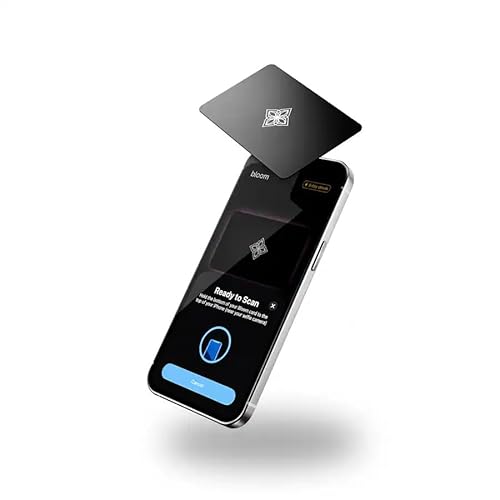
Bloom Card – App Blocker & Screen Time Tool – As Seen On Shark Tank – Subscription-Free Focus Device – Stainless Steel Keycard for iPhone & Android
LOCK APPS AND WEBSITES INSTANTLY – Bloom is a stainless steel NFC keycard that blocks your most distracting…
As an affiliate, we earn on qualifying purchases.
As an affiliate, we earn on qualifying purchases.
Conclusion
By embracing the no-contact rule, you’re severing the tangled vines that once held you captive. It’s like clearing a stormy sky to reveal a dawn of clarity and healing. Although the journey may feel like walking through shadows, each step forward is a brushstroke painting a brighter future. Remember, letting go is the key to unleashing your heart’s true freedom—allowing new blooms to flourish where darkness once reigned.

After the Breakup: A Self-Love Journal: Prompts and Practices to Help You Get Over Your Ex
As an affiliate, we earn on qualifying purchases.
As an affiliate, we earn on qualifying purchases.

Mind Brain Emotion 52 Essential Coping Skills Cards – Self Care Exercises for Stress and Social Anxiety Relief – Resilience, Emotional Agility, Confidence Therapy Games for Teens, Adults
Build skills, reduce stress: Powerful CBT, meditation, and somatic exercises to become organized, focused, confident. Overcome anxiety, anger,…
As an affiliate, we earn on qualifying purchases.
As an affiliate, we earn on qualifying purchases.